
Anyone looking for a strictly sugar-free biscuit
You want to be able to point to a treat that is actually labelled sugar-free. A biscuit could be an option, provided a different type of biscuit from spritz suits your celebration.


If sugar-free is a strict requirement for the birthday, choose a biscuit whose label and sugar content per 100 g you can check on the packaging, even if it isn’t a spritz. According to the Voedingscentrum, sugar-free means no more than 0.5 g of sugars per 100 g; the product information for the standard spritz biscuits discussed here from Verkade, Albert Heijn and PLUS lists higher amounts. Also check the ingredients and allergens, as a sugar-free alternative isn’t automatically suitable for every guest.
You want to be able to point to a treat that is actually labelled sugar-free. A biscuit could be an option, provided a different type of biscuit from spritz suits your celebration.
You care more about spritz’s familiar shape or taste than choosing something strictly sugar-free. You also want to avoid confusing a ‘less sugar’ label with ‘sugar-free’.
You want to be able to check the ingredients and allergens listed on each biscuit’s packaging. If you choose an alternative with sweeteners, you’ll also want to show guests any relevant warnings.
First decide whether sugar-free is a requirement or whether you mainly want to serve spritz. Then compare the sugars per 100 g, the ingredients and the packaging of the product you’re actually buying.
Choose this if: the sugar-free label matters more than the shape of a spritz. Albert Heijn lists 0.3 g of sugars per 100 g for AH Digestive 0% suiker.
The trade-off: a digestive isn’t a spritz. This product also contains polyols and carries a warning against excessive consumption.
Choose this if: you want to serve spritz and are considering a ‘less sugar’ product, without promising a sugar-free treat.
The trade-off: PLUS lists 28 g of sugars per 100 g for Elvee Chocolade spritsen minder suiker. According to the product description, the claim of 30% less sugar applies to the chocolate.
Choose this if: you want to serve spritz and there’s no sugar-free requirement for that plate.
The trade-off: the standard spritz biscuits discussed here aren’t sugar-free. If any guests have allergies, check the ingredients of each individual product too.
| What to consider | What to check when buying | Who does this matter most to? |
|---|---|---|
| Truly sugar-free | Check the label and the amount of sugars per 100 g; the Voedingscentrum defines sugar-free as no more than 0.5 g per 100 g. | If I put a biscuit on the table as sugar-free, I want to be sure that the label applies to the product I’ve bought. This would be the most important requirement for around 36% of consumers. |
| Spritz and sugar | If a product is labelled ‘less sugar’, also check the absolute amount of sugars per 100 g; a relative claim doesn’t mean the same as sugar-free. | I want to serve the familiar spritz, but I don’t want to rely solely on a ‘less sugar’ label. This combination may be the top priority for around 29% of consumers. |
| Ingredients | Check the allergen information and look for any warnings on the packaging of biscuits containing polyols. | When different guests are sharing the same plate of biscuits, I want to be able to check what each product contains. Ingredients and tolerance are the biggest considerations for an estimated 21% of consumers. |
| Serving and availability | Check the packaging and availability at the shop where you’re buying. | I want to have enough biscuits for the birthday in good time and know what I’m putting on the table. This would be the first consideration for around 14% of consumers. |
A relative claim doesn’t tell you how many sugars the biscuit contains per 100 g. PLUS lists 28 g of sugars per 100 g for Elvee Chocolade spritsen minder suiker; according to the product description, the claim of 30% less sugar applies to the chocolate.
Compare the nutritional information per 100 g and don’t use these spritz biscuits as a sugar-free alternative.
Albert Heijn lists wheat and 14 g of polyols per 100 g for AH Digestive 0% suiker. The packaging warns that excessive consumption may have a laxative effect.
Keep the packaging with the treats so guests can check the ingredients, allergens and warnings for themselves.
The biscuit you want to serve also needs to be available when you’re getting ready for the party. Availability can vary from shop to shop.
Check your chosen shop before deciding how many treats to buy, and consider what other types of biscuit your guests would be happy with.
For the biscuits you serve, the information on the packaging you’ve bought is the practical point of reference.
Before serving, check the nutritional information, ingredients, allergens and any warnings on that label again.
Compare the products mentioned, not just the brand name: the type of biscuit, sugar content and ingredients can vary within and between brands.
Nobo Sprits Original is a standard spritz for anyone who wants to serve this type of biscuit.
Here, you can compare a standard spritz with a sugar-free digestive as two different types of biscuit.
The products discussed are PLUS Spritsen and Elvee Chocolade spritsen minder suiker.
Lidl lists roomboter spritsen, a butter spritz biscuit, in a 400 g pack as an in-store product.
These are different types of biscuit from spritz. Consider them only if this kind of alternative suits your birthday celebration; before buying, check the packaging for the exact product type, sugar content and ingredients.
 No image available
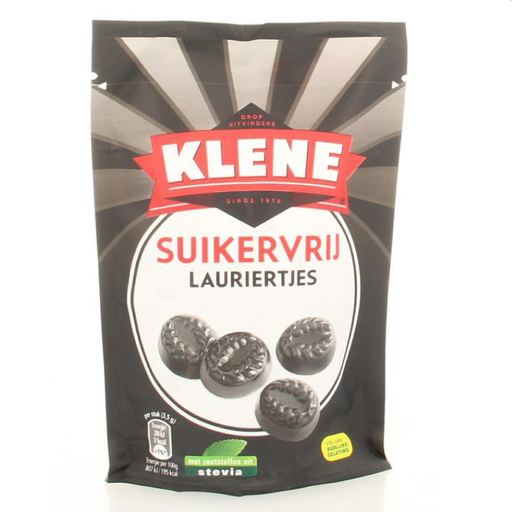
Consider this only if a different product from spritz is suitable for your plate of biscuits. Before buying, check whether the pack contains biscuits or liquorice: the product name and description don’t clearly identify the same type of product. Also check the nutritional information, ingredients and warnings on the packaging.
 No image available
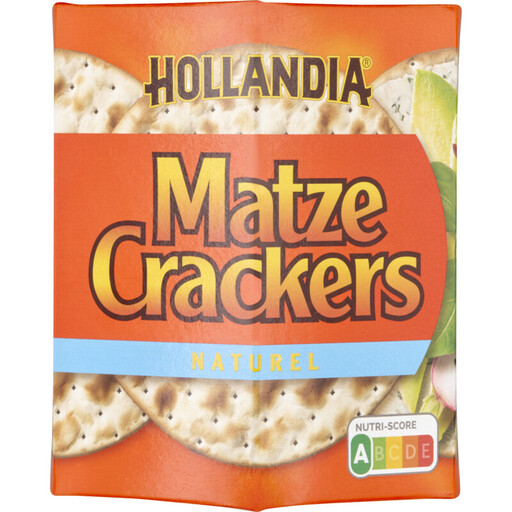
These matzo crackers are an alternative to spritz or digestive biscuits if a savoury-looking plate also suits your celebration. The product name says there are 16 pieces. Before choosing them for your guests, check the sugars per 100 g and the full allergen information on the packaging.
No. According to the Voedingscentrum, sugar-free means no more than 0.5 g of sugars per 100 g. ‘No added sugars’ refers to what has been added during preparation; the product may still contain sugars that occur naturally.
No, not the standard spritz biscuits discussed here. Verkade lists 24.2 g of sugars per 100 g for Nobo Sprits Original, Albert Heijn lists 28 g for AH Spritsen and PLUS lists 21.4 g for PLUS Spritsen. Serve them as standard spritz and keep a separate, suitable alternative apart for any guest who wants a sugar-free option.
Some sugar-free digestive biscuits contain polyols. Albert Heijn lists 14 g of polyols per 100 g for AH Digestive 0% suiker and warns that excessive consumption may have a laxative effect. Let guests check the packaging rather than simply labelling the biscuit sugar-free.
Yes. A claim about sugar doesn’t tell you which allergens a biscuit contains. Albert Heijn lists milk and wheat in AH Spritsen; PLUS lists wheat, egg and milk, among other ingredients, in PLUS Spritsen. Check the current label on every pack you buy and keep the information available for your guests.