
Parents looking for an everyday snack
For an everyday snack, they want to choose something that follows the Netherlands Nutrition Centre’s advice for young children and toddlers, rather than relying on an appealing-sounding sugar claim.


Don’t make sugar-free speculaas the go-to for your toddler’s daily snack. The Netherlands Nutrition Centre recommends snacks such as fruit, vegetables and some wholemeal bread for young children and toddlers. If you’d like to offer a biscuit now and then, look beyond the sugar claim: the portion size, ingredients, allergens and texture all matter too.
For an everyday snack, they want to choose something that follows the Netherlands Nutrition Centre’s advice for young children and toddlers, rather than relying on an appealing-sounding sugar claim.
When it comes to an occasional speculaas treat, they want to assess the sugar content, so they compare the nutritional information, ingredients and portion size.
For their toddler, the ingredients and how easy the biscuit is to chew both matter. If almond pieces are listed, they need to assess the specific packaging and their child.
First decide whether you’re looking for an everyday snack or deliberately choosing an occasional biscuit treat. Only then does the choice between a biscuit with no sugars and regular speculaas become relevant.
When: For an everyday snack for a young child or toddler, fruit, vegetables and some wholemeal bread are in line with the Netherlands Nutrition Centre’s advice.
Consider: This isn’t the same as a speculaas treat; make sure the texture of the food is suitable for your child too.
When: If you specifically want to offer speculaas now and then and are looking for a product with little sugar.
Consider: The claim doesn’t mean it’s suitable as an everyday snack; check for polyols and allergens, and consider the portion size too.
When: If an occasional biscuit treat is the priority and sugar-free isn’t a requirement.
Consider: Jumbo’s Bakkers Speculaas contains sugar and syrups, according to the information provided by Jumbo, so it isn’t an option if you’re looking for a product with no sugars.
| What to consider | What to check before buying | Who it matters to |
|---|---|---|
| Everyday snack | Compare biscuits with fruit, vegetables or a suitable wholemeal option, and consider the portion size. | For an everyday snack, I don’t want to automatically reach for a biscuit. Around 46% of consumers prioritise a suitable everyday snack. |
| Sugar claim and ingredients | Check the sugars per 100 g, the ingredients and the nutritional information per portion; also check whether polyols are used. | If I offer speculaas now and then, I want to make an informed choice about how much sugar that snack contains. This is the main concern for around 36% of consumers. |
| Allergens and texture | Read the current allergen information and consider whether any pieces and the texture are suitable for your child’s chewing ability. | For a child with an allergy or difficulty managing pieces, individual suitability comes before the sugar claim. This is the main priority for around 18% of consumers. |
According to Albert Heijn’s product information, Céréal Speculoos with almond pieces, no sugars contains 0.4 g of sugars, but also 404 kcal and 12 g of saturated fat per 100 g. The sugar content alone doesn’t make a biscuit an everyday snack for a toddler.
First decide whether you’re choosing an everyday snack or an occasional treat. If you choose a biscuit, compare both the nutritional values per 100 g and the portion you plan to offer.
A recipe with ‘no sugar’ in the title doesn’t have to be free from sugar-containing ingredients. Jumbo’s recipe with that title uses maple syrup; the ingredients list for Jumbo Bakkers Speculaas includes sugar and syrups.
For a product, read the full ingredients list and nutrition table. Don’t treat a recipe title as a substitute for checking the ingredients.
The Céréal variety listed by Albert Heijn contains maltitols and almond pieces. The product information warns that excessive consumption may have a laxative effect.
Check the current packaging for ingredients and allergens. If the biscuit contains pieces, also consider whether the texture is suitable for your child’s chewing ability.
Albert Heijn lists Céréal Speculoos with almond pieces, no sugars as a biscuit option.
Lotus Biscoff is a familiar option for regular speculoos; Albert Heijn lists products from this range in its speculaas selection.
Jumbo lists Bakkers Speculaas and also publishes a recipe with ‘no sugar’ in the title.
These crackers are worth considering if you’d prefer a snack that isn’t speculaas. They aren’t speculaas products. Check the ingredients on each pack and consider whether the texture is suitable for your child.
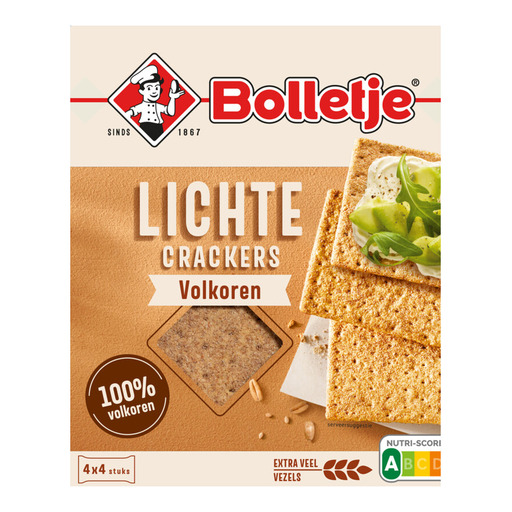 No image available
A wholemeal cracker to consider for a snack that isn’t a biscuit. The pack contains 190 g; check the allergens and consider whether the texture is suitable for your child’s chewing ability.
 No image available
A cracker to consider if you’re looking for an alternative to biscuits for snack time. The pack contains 300 g; read the current ingredients and consider the texture and portion size for your child.
EU rules on nutrition claims allow ‘sugar-free’ only when a product contains no more than 0.5 g of sugars per 100 g or 100 ml. This limit says nothing about the amount of energy or fat, and it doesn’t automatically make speculaas suitable as an everyday snack for a toddler.
Not as the standard choice: the Netherlands Nutrition Centre recommends foods from the Wheel of Five, such as fruit, vegetables and some wholemeal bread, for young children and toddlers to have between meals. If you’d like to offer a biscuit now and then, consider the portion size, ingredients and texture too.
Polyols can be used as sweeteners instead of sugars. For Céréal Speculoos with almond pieces, no sugars, Albert Heijn lists 29 g of polyols per 100 g and warns that excessive consumption may have a laxative effect. Check the ingredients on the specific pack; not every biscuit with no sugars has the same ingredients.
For Céréal Speculoos with almond pieces, no sugars, Albert Heijn advises storing it in a dry place at room temperature. Also follow the instructions on the pack you have at home.