
Vandaag of morgen in huis

Kwaliteit gegarandeerd

Welkomstaanbiedingen ontgrendelen: GRATIS bezorging | Tot 80% korting | Gratis 30 dagen JoyPlus-proefperiode
Download de app
Want to drink less sugar but still enjoy cola, sparkling iced tea or an energy drink? Then sugar-free soft drinks – also known as zero-sugar soft drinks or sugar-free fizzy drinks – are an obvious choice. There is plenty of variety, from Coca-Cola Zero and Pepsi Zero to Lipton Ice Tea Zero, Fanta Zero and sugar-free energy drinks.
However, not every pack is equally suitable for your needs. A large can multipack may seem convenient, but it can be less practical if you need to store the drink after opening. And “zero sugar” does not automatically mean that a drink is caffeine-free. So pay particular attention to the following points.
Zero-sugar cola often contains caffeine. Energy drinks also generally contain caffeine, even when no sugar has been added. If you are looking for a caffeine-free drink in the evening, check the ingredients list and product description carefully. For example, Coca-Cola Zero Sugar Caffeine Free Cola is explicitly caffeine-free, whereas regular Coca-Cola Zero Sugar does contain caffeine.
The term zero usually describes the sugar content, not the flavour profile. Cola, citrus drinks, iced tea and energy drinks can all be classed as zero-sugar soft drinks, but they can differ considerably in sweetness, acidity and carbonation. So look beyond the brand and consider the drink type and flavour variant too.
A 24-can soft drink multipack is practical for a household, office or party. For occasional use, however, a smaller pack may be more suitable. Compare the price per litre, the number of packs and the best-before information. Also check any deposit or other packaging information shown on the product page or label.
Check the nutritional information per 100 ml as well as per pack. Many zero-sugar drinks contain 0 grams of sugar per 100 ml, but the sweeteners used may differ. Examples include aspartame, acesulfame-K, sucralose and steviol glycosides.
Products containing aspartame generally carry a warning about a source of phenylalanine. This is important information for people with phenylketonuria. Always check the current packaging before consuming a product, as recipes and labels can change.
For cola and energy drinks, caffeine is an important distinction. For example, Red Bull Sugar-Free states that it contains 32 mg of caffeine per 100 ml. According to the product information, Monster Ultra White also contains caffeine. A sugar-free drink is therefore not automatically suitable for every time of day.
Children, pregnant people and anyone sensitive to caffeine should consult the product information and applicable dietary guidance. Energy drinks should also be consumed in accordance with the instructions on the label.
A 330 ml can is convenient as an individual serving. A 500 ml bottle with a resealable cap is more suitable for drinking on the go. For stocking up, formats such as soft drinks 24 x 330 ml are easy to store, while 12 cans of 500 ml may be particularly appealing for heavier use or sharing.
Also pay attention to storage requirements: many products should be kept in a cool, dry place away from direct sunlight and excessive heat. Once opened, they should generally be refrigerated and consumed within the stated period.
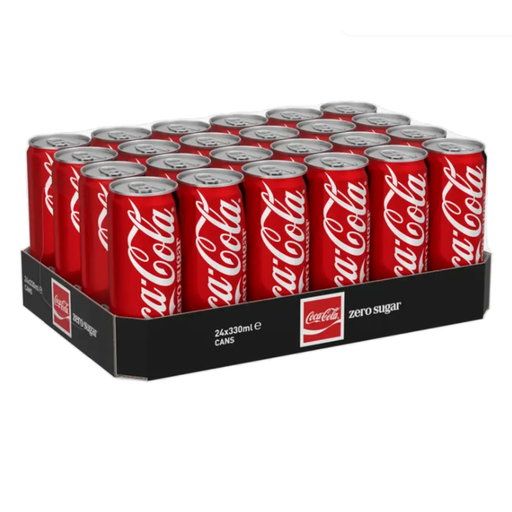
Why it suits this profile: A familiar cola in a multipack for the home, visitors or the office. The 330 ml cans can be served as individual portions.
The packaging states 0 grams of sugar per 100 ml. However, check the label for caffeine and sweeteners before ordering.
24 x 330 ml cans, 0 grams of sugar per 100 ml and suitable for serving chilled.
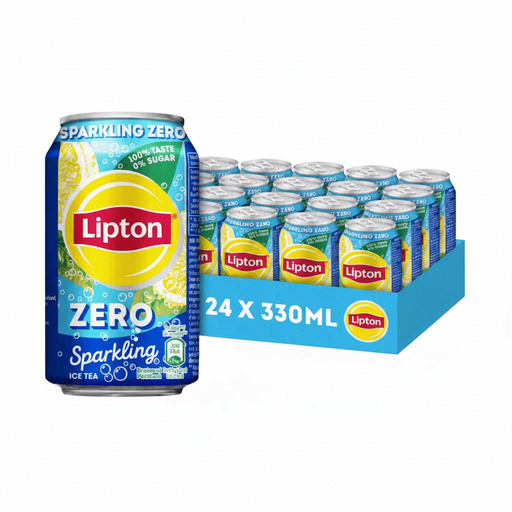
Why it suits this profile: Ideal for anyone who wants to serve a sparkling tea alternative alongside cola at lunch, when entertaining or at an informal gathering.
The product information describes this variant as sugar-free and low in calories. Check the current nutritional table on the packaging.
24 x 330 ml cans, sparkling iced tea and suitable for sharing occasions when served chilled.

Why it suits this profile: For anyone specifically looking for a larger sugar-free energy drink for work, travelling or other occasions when caffeine is wanted.
The product information states 0 grams of sugar per 100 ml. It does contain caffeine, so check the recommended consumption and warnings.
12 x 500 ml cans, a citrus profile and several added B vitamins according to the product description.
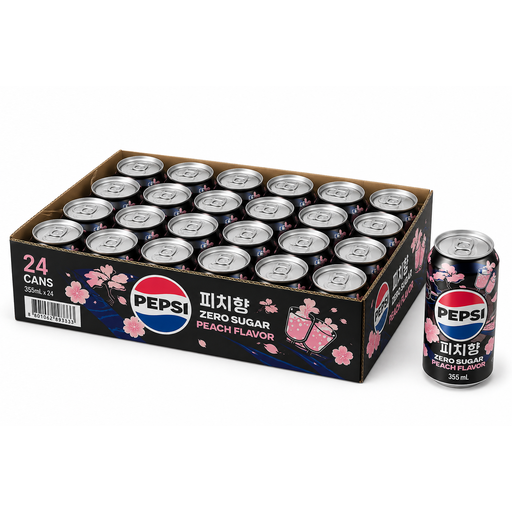
Why it suits this profile: An option for shoppers looking for an unconventional flavour alongside regular zero-sugar cola, for example at a get-together or tasting.
The packaging combines a zero-sugar cola flavour with peach. This lets you consciously choose a flavoured variant rather than a standard cola.
24 x 355 ml cans, 0 grams of sugar per 100 ml according to the product information and a fruity peach flavour.
We have put together a complete, up-to-date list of products that fully meet these strict selection criteria and the applicable European safety regulations.
For a familiar cola flavour, consider Coca-Cola Zero Sugar, Pepsi Zero Sugar or a variant such as Pepsi Cream Soda. Standard 24 x 330 ml multipacks are practical for families, offices and parties. If you prefer a resealable pack, consider a variant in 12 x 500 ml bottles.
If you would rather have something more refreshing, Sprite Zero, Fanta Zero or Fanta Lemon Zero are better suited to a citrus preference. For iced tea, Lipton Sparkling Zero and Lipton Ice Tea Green Zero are natural alternatives. For every variant, check the nutritional information, ingredients and allergens on the current product page.
In practice, these terms are often used for the same product category. To be sure, check the nutritional table. “Sugar-free” refers to the sugar content, while sweeteners such as aspartame, acesulfame-K or sucralose may still be present.
Once opened, quality quickly declines as carbonation is lost. Store opened drinks in the fridge and follow the instructions on the packaging. For a longer drinking period, 500 ml resealable bottles are more practical than cans.
Sugar-free energy drinks generally still contain caffeine and other ingredients such as taurine. The absence of sugar does not change the caffeine content. So check the label, consider your total caffeine intake and follow the manufacturer's warnings and age recommendations.
