
Vandaag of morgen in huis

Kwaliteit gegarandeerd

Welkomstaanbiedingen ontgrendelen: GRATIS bezorging | Tot 80% korting | Gratis 30 dagen JoyPlus-proefperiode
Download de app
If you want to drink less sugar, you will soon come across sugar-free soft drinks, zero sugar soft drinks or alternatives with no added sugar. There is plenty of choice, from sugar-free cola and sugar-free fizzy drinks to iced tea, coconut water and alcohol-free drinks.
However, eye-catching packaging does not always tell you everything. A product may contain no sugar, for example, but still contain sweeteners or caffeine. “No added sugar” can also mean something different from “sugar-free”. Use these practical checks to compare products based on the information on the label, rather than the marketing copy.
Zero soft drinks generally contain no sugar, but are often sweetened with substances such as aspartame, acesulfame-K, sucralose or saccharin. Always check the ingredients list. Coca-Cola Zero Sugar Caffeine Free, for example, lists aspartame and acesulfame-K. According to the product information, it contains 0 grams of sugar per 100 ml and also states that it contains a source of phenylalanine.
This makes the product suitable for someone who wants to avoid sugar, but not automatically for someone who wants to avoid all sweeteners in their drinks.
Coconut water with no added sugar may still contain naturally occurring sugars. IAM Superjuice Coconut Water states that the product consists of 100% coconut water and contains no added sugar. This is a different product characteristic from a soft drink containing 0 grams of sugar per 100 ml.
Pay attention to the difference between:
A multipack of soft drinks may often seem good value, but the volume and number of cans can vary. A tray of 24 x 330 ml contains 7.92 litres, while a pack of 6 x 330 ml contains just 1.98 litres. Compare the price per litre and consider how much you are actually likely to use.
A larger pack can be practical for a household, office or party. For trying an unfamiliar flavour for the first time, a smaller pack is the wiser choice.
Start by checking the nutritional values per 100 ml. This makes different pack sizes comparable. Then check the full ingredients list. Sugar-free colas may combine several sweeteners. Fruity zero soft drinks may also contain acids, flavourings, colourings or preservatives.
Do you have a specific intolerance or allergy? Do not rely solely on the front of the packaging. The product information for Fanta Lemon Zero, for example, states that the product contains sweeteners and aspartame, and warns that it contains a source of phenylalanine. Check the label before consuming, as recipes and packaging information may change.
Not every cola or zero sugar soft drink is caffeine-free. Pepsi Zero Sugar Cola, for example, lists caffeine in its ingredients information. Pepsi Zero Strawberry & Cream Soda and Pepsi Zero Cream Soda also contain caffeine according to their product descriptions.
If you are looking for a caffeine-free option in the evening, at work or on the go, you can filter specifically for caffeine-free soft drinks. Coca-Cola Zero Sugar Caffeine Free explicitly states that it contains no caffeine. Sprite Zero Sugar Lemon-Lime is also described as caffeine-free in the product information, but always check the current packaging before buying.
Cans of 200 or 250 ml are handy for a quick drink. A 330 ml size is better suited to drinking at home, with lunch or at a party. With multipacks, also consider how much storage space you have and the weight of your order.
Unopened soft drinks are generally stored in a cool, dry place away from direct sunlight. Once opened, a can or bottle should be refrigerated according to the product information and used within the stated period. Coconut water such as FOCO can be stored at room temperature while unopened; once opened, it should be kept in the fridge and consumed within approximately three days according to the description.
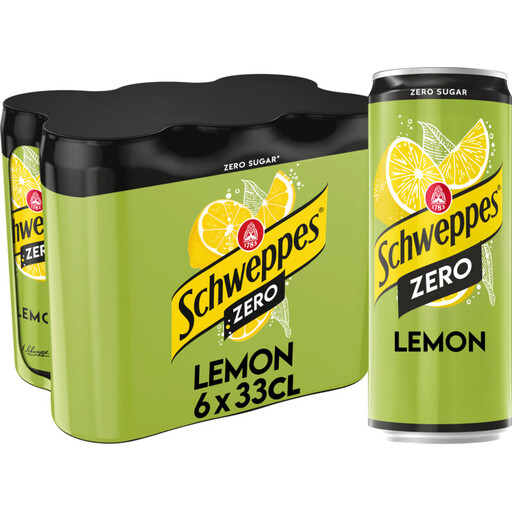
Why it suits this profile: A smaller pack of six cans lets you try a lemon flavour without immediately buying a large supply.
The nutritional information states 0 grams of sugar per 100 ml. The six cans also reduce the risk of being left with an unused bulk pack.
330 ml per can, lemon flavour, carbonated and, according to the product information, free from the 14 major EU allergens.

Why it suits this profile: If you want a familiar cola flavour while avoiding caffeine, you get a convenient supply for home or the office.
The product information states both 0 grams of sugar and no caffeine. This means you do not have to rely solely on the term “zero”.
24 cans of 330 ml, 0.3 kcal per 100 ml according to the stated nutritional values, and caffeine-free cola.
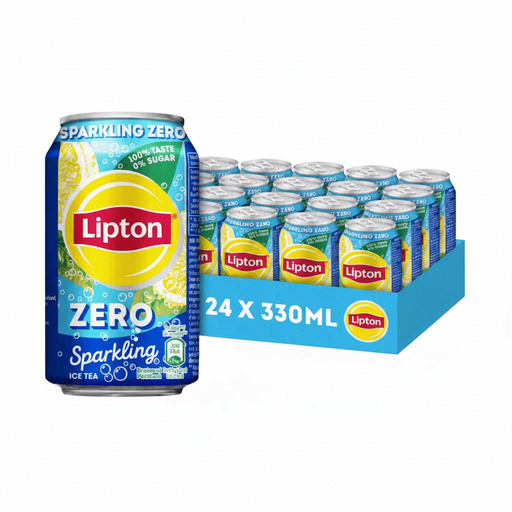
Why it suits this profile: A supply of 24 cans is practical for a household, workplace, visitors or regular use on the go.
The product description states 0% sugar and describes a carbonated iced tea drink. Check the current ingredients list before ordering.
24 x 330 ml, best served chilled and ideal if you want to alternate cola with a sparkling iced tea flavour.
We have put together a complete, up-to-date list of products that fully meet these strict selection criteria and the applicable European safety regulations.
The right choice depends on the occasion:
In practice, both terms usually refer to soft drinks without sugar, but always check the nutrition table. Zero sugar soft drinks may still contain sweeteners, caffeine, acids or flavourings.
This varies by product. Coca-Cola Zero Sugar Caffeine Free explicitly states that it contains no caffeine. Sprite Zero Sugar Lemon-Lime is also described as caffeine-free in the product information. Pepsi cola and fruit flavours may contain caffeine instead. So check the ingredients list and any additional warnings.
Not necessarily. Compare the total price with the number of millilitres and calculate the price per litre. A larger pack can be practical for regular use, but a smaller pack reduces the risk of disliking a flavour or leaving it unused.
