
Vandaag of morgen in huis

Kwaliteit gegarandeerd

Welkomstaanbiedingen ontgrendelen: GRATIS bezorging | Tot 80% korting | Gratis 30 dagen JoyPlus-proefperiode
Download de app
If you’re looking to cut down on sugar, sugar-free soft drinks – those with no sugar or low calories – are a natural choice. But terms like “zero”, “light” and “no added sugar” don’t always mean the same thing. The taste, ingredients, nutritional value and packaging can vary significantly from product to product.
As a Joybuy Product Recommendation Officer, I’ve filtered the most important product information so you can compare offers more easily and avoid buying stock that doesn’t suit your needs.
A fruit drink may have no sugar added to the recipe, but it can still contain natural sugars from fruit juice or fruit purée. Always check the nutritional information table, especially “of which sugars” per 100 ml.
With a tropical fruit drink that has no added sugar, the fruit content can also determine the taste and sugar level. A product with 30% fruit juice is not automatically sugar-free.
Zero sugar soft drinks typically contain sweeteners to maintain a sweet taste. Examples in the range include aspartame, acesulfame-K, sucralose and steviol glycosides. Check the ingredients list if you want to avoid certain sweeteners.
Some products also carry the warning “contains a source of phenylalanine”. This is relevant for products containing aspartame. If in doubt, read the label on the packaging before ordering or drinking.
A soft drink multipack of 24 cans might seem practical for a family, office or party. But first check:
For home use, a box of 12 cans might be a better fit. If you regularly serve soft drinks, you may benefit from 330 ml cans in a pack of 24.
Use the nutritional information per 100 ml to compare different sizes fairly. A 330 ml can contains roughly 3.3 times the values shown on the label per 100 ml.
For example:
Pay attention to the difference between “zero sugar”, “sugar-free” and “no added sugar”. The exact legal meaning depends on the nutritional values and the product category. Always check the current packaging.
Cola and other carbonated soft drinks are often served chilled. But not everyone wants caffeine. Coca-Cola Zero Sugar Caffeine Free Cola is described as caffeine-free, while Pepsi Zero Sugar and regular Coca-Cola Zero Sugar contain caffeine according to the ingredient information.
Fizzy lemon-lime drinks, such as Sprite Zero Sugar, are another option compared to a still fruit drink. Think about when you’ll be drinking it: with a meal, on the go, at the office, or as a stock for visitors.
A 330 ml can is handy for a single portion and doesn’t need to be resealed after opening. A pack of 24 cans does take up more space. Store unopened drinks according to the packaging in a cool, dry place, away from direct sunlight and heat.
Once opened, it’s usually best to keep them chilled and consume as soon as possible. Also check that the packaging isn’t damaged and read the best-before information on the can or packaging.
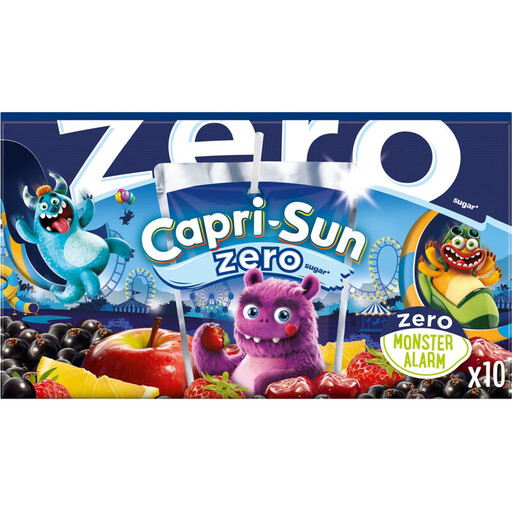
Why this fits the profile: The 200 ml pouches are easy to take to school, on a day out or to a picnic. The pack contains 10 units and takes up less storage space than a large multipack of cans.
The product information states 3 kcal per 100 g, less than 0.5 g sugar and 7% fruit content. Check the current packaging, as the product does contain sweetener.
10 portions of 0.2 litres; fruit flavour with apple, blackcurrant and sour cherry; ideal for on the go.

Why this fits the profile: This is an option for anyone looking for a distinctive tropical fruit flavour rather than cola or lemon-lime. The 330 ml cans are suitable for home, work and meals.
The product information mentions 30% mango juice and no added sugar. At 17 kcal per 100 ml, it’s not the same as a zero sugar soft drink; compare the nutritional values.
12 cans of 330 ml; 30% mango juice according to the product description; serve chilled.

Why this fits the profile: A large pack suits offices, families and occasions where a regular supply is needed. The caffeine-free version is designed for those who want to avoid caffeine.
The product information states 0 g sugar and 0.3 kcal per 100 ml. The ingredients list aspartame and acesulfame-K; also check the warning for phenylalanine.
24 cans of 330 ml; caffeine-free according to the product description; suitable for chilled storage.
Don’t just compare the price of a box – also compare the price per litre. Also check whether the product is carbonated, which sweeteners have been used, and whether “no added sugar” matches what you’re looking for.
For children or on the go, smaller portions can be more convenient. For an office or party, 24 cans are often easier to share. If you enjoy trying Asian soft drinks, you can choose varieties such as peach cola, lychee, passion fruit or mangosteen. The flavour description is helpful, but also look at the nutritional information table and ingredients list.
We’ve put together a full, up-to-date list of products that fully meet these strict selection criteria and comply with current European safety regulations.
Cola zero is a type of sugar-free soft drink. According to the product information, it contains no sugar, but it usually does contain sweeteners. Also check whether the variant contains caffeine and whether there is a warning for phenylalanine on the label.
“Sugar-free” refers to a very low sugar content according to current nutritional information. “No added sugar” means that no sugar has been added during preparation. Fruit juice or fruit purée can still provide natural sugars. Always check carbohydrates and sugars per 100 ml.
Store unopened soft drinks according to the packaging in a cool, dry place, away from direct sunlight. The best-before date is usually on the can, the base or the outer packaging. Once opened, it’s generally best to keep them chilled and consume quickly; follow the instructions on the label.
