
Vandaag of morgen in huis

Kwaliteit gegarandeerd

Welkomstaanbiedingen ontgrendelen: GRATIS bezorging | Tot 80% korting | Gratis 30 dagen JoyPlus-proefperiode
Download de app
If you want to cut down on sugar but aren’t ready to give up cola, citrus or fruity fizz, sugar-free soft drinks might seem like a simple choice. However, products vary widely in flavour, sweeteners, caffeine, packaging and nutritional values. A large multipack isn’t automatically good value if the taste disappoints or the packaging doesn’t suit how you drink.
So watch out for these three common pitfalls:
Confusing “no added sugar” with completely sugar-free
Always check the nutritional information per 100 ml. Some light drinks still contain a small amount of carbohydrates or sugars. Also consider the serving size: a 1.5-litre bottle is used differently from a 330 ml can.
Overlooking the caffeine-free option
Cola, Pepsi and certain special flavours usually contain caffeine. If you want a soft drink in the evening or prefer to limit your caffeine intake, check the ingredients list and product description. A familiar cola taste doesn’t automatically mean the drink is caffeine-free.
Relying only on the front of the packaging
Terms like “zero sugar”, “light” and “fruity” tell you little about the sweeteners, acids or allergens used. Always read the full ingredients list. For example, aspartame carries a warning that it is a source of phenylalanine. People with phenylketonuria (PKU) should review the product information extra carefully.
A zero sugar soft drink contains no sugar according to the stated product information, but it may contain sweeteners. Alongside “sugars”, also look at energy per 100 ml. Coca-Cola Zero Sugar Caffeine Free, for instance, lists 0 g sugar and 0.3 kcal per 100 ml. Pepsi Zero Sugar Cola lists 0 g sugar and 0.4 kcal per 100 ml.
Watch out for labels that differ. Fanta Orange Zero Sugar states 0.4 g carbohydrates and 0.4 g sugars per 100 ml in the information provided. So always check the label on the packaging, especially when the product name and nutritional table don’t fully match.
Many sugar-free colas use combinations of aspartame, acesulfame-K, sucralose, cyclamate or saccharin. The taste and aftertaste can vary depending on the blend. If you want to avoid a particular sweetener, it’s wise to read the ingredients list rather than just looking at the brand.
According to the product information, several cola and Pepsi variants contain aspartame and therefore a source of phenylalanine. This is a product warning, not a general health claim. If in doubt, check the label or ask a qualified healthcare professional for advice.
First, choose your flavour profile:
Then consider the format. 330 ml cans are handy for a fixed portion and for stocking up. 500 ml PET bottles are resealable. A 1.5-litre bottle suits a household or a gathering better, but once opened, it’s important to keep it chilled.
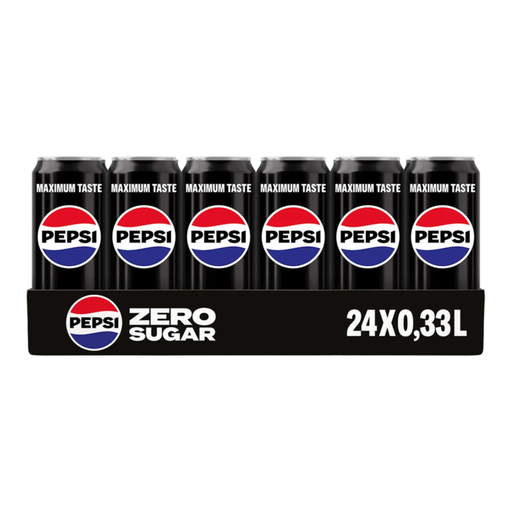
Why this fits the profile: A tray of 24 cans of 330 ml provides a manageable stock for home, the office or a small gathering.
The contents, packaging and nutritional values are clearly specified. The product information states 0 g sugar per 100 ml and includes a warning for a source of phenylalanine.
24 x 330 ml, 0.4 kcal per 100 ml according to the product information, and a recognisable cola taste.

Why this fits the profile: This variant combines a familiar cola formula with an explicitly caffeine-free product specification, handy for different drinking occasions.
The “caffeine free” label prevents you from accidentally choosing a regular cola with caffeine. Do check the current label before purchase.
24 cans of 330 ml, 0 g sugar and 0.3 kcal per 100 ml according to the nutritional information provided.
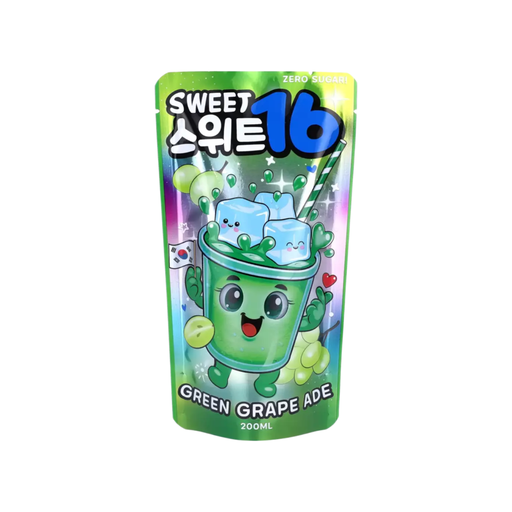
Why this fits the profile: The 200 ml serving and green grape flavour suit fans of fruity, sugar-free soft drinks and those who enjoy distinctive Asian-style beverages.
The product information states 0 g sugar, 2 kcal and a small pack size. This means you don’t have to open a large bottle when you only want one serving.
Green grape flavour, 200 ml per pack and, according to the product information, sweetened with sucralose and/or stevia.
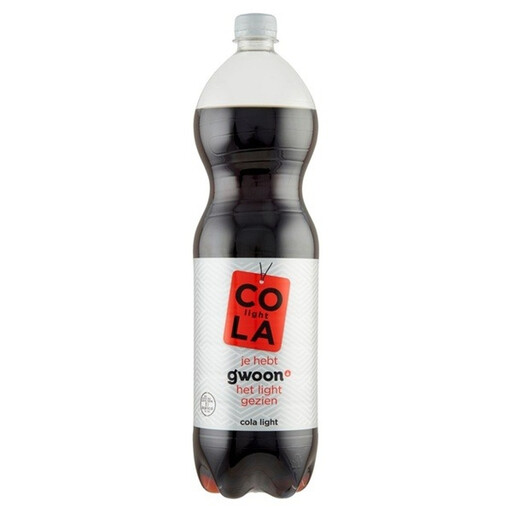
Why this fits the profile: Six bottles of 1.5 litres are practical for households, canteens and business buyers who serve soft drinks regularly.
The total volume is clear: 9 litres split across six bottles. This lets you compare the price per litre rather than just the price per pack.
1.5 litres per bottle, 0 g sugar according to the product information, and suitable for chilled storage after opening.
We’ve put together a full, up-to-date list of products that fully meet these strict selection criteria and comply with current European safety regulations.
Not always exactly. A drink labelled as sugar-free contains no sugars according to the label, but it may list a small amount of energy or carbohydrates. So compare the nutritional values per 100 ml. The serving size you choose also matters.
That varies by variant. The Coca-Cola Zero Sugar Caffeine Free Cola is described as caffeine-free in the product description. Sprite Zero Sugar is also described as caffeine-free in the product information. Always check the current ingredients list with each purchase, as recipes and labels can change.
Store an opened bottle of sugar-free soft drink in the fridge and follow the instructions on the packaging. Seal the bottle tightly and pay attention to the recommended period after opening. Store unopened cans and bottles in a cool, dry place, away from direct sunlight and excessive heat.
