
Vandaag of morgen in huis

Kwaliteit gegarandeerd

Welkomstaanbiedingen ontgrendelen: GRATIS bezorging | Tot 80% korting | Gratis 30 dagen JoyPlus-proefperiode
Download de app
If you’re looking to buy sugar-free soft drinks online, you’ll soon come across a long list of cola, zero-sugar soft drinks, iced tea, energy drinks and fruit drinks. Packaging often highlights words such as “light”, “zero” or “no added sugar”, but these terms don’t tell the whole story. The difference lies in the nutritional information, sweeteners, caffeine, serving size and number of cans per pack.
Use this practical guide to compare sugar-free soft drinks, low-calorie soft drinks and low-sugar drinks using verifiable product information.
A fruit drink with no added sugar can still contain natural sugars from fruit juice. So don’t just look at the front of the pack; check the nutrition table too. In particular, check:
For example, Iam Superjuice Passionfruit contains 30% natural passion fruit juice and lists 17 kcal per 100 ml. That’s different from a zero-sugar soft drink with 0 grams of sugar and virtually no calories.
A soft drink multipack is handy for home, the office or a party, but check the total volume. A pack of 24 x 330 ml contains 7.92 litres, while 12 x 500 ml comes to 6 litres. So compare the price per litre rather than just the price of the pack.
Smaller sizes can sometimes be more practical for individual use. A 250 or 330 ml can also makes it easier to measure out your serving in advance. For stocking up, a 24 x 330 ml soft drink pack may be a better fit.
Zero-sugar cola and sugar-free energy drinks can be low in sugar and calories, but still contain caffeine. For example, Red Bull Sugar-Free lists 32 mg of caffeine per 100 ml. According to the product information, Monster Energy Ultra White also contains caffeine, as well as taurine and other ingredients.
So always check:
If you want to avoid caffeine, you can choose a caffeine-free option, such as Coca-Cola Zero Sugar Caffeine Free.
The nutrition table is the most useful point of comparison. Under EU regulations, “sugar-free” generally means that a product contains no more than a very small amount of sugar per 100 ml. Check the energy content too. A product with 0 grams of sugar may still contain a small number of calories from other ingredients.
When comparing sugar-free soft drinks, it’s worth checking the values per 100 ml and per pack. A 500 ml can contains five times the amount in 100 ml.
Zero-sugar soft drinks often use sweeteners to give them a sweet taste without regular sugar. This can keep the calorie content down, but the flavour varies from product to product. Check the ingredients list if you want to avoid certain sweeteners.
Some products also include a warning that they contain a source of phenylalanine because they use aspartame. According to the product information provided, Coca-Cola Zero Sugar, Pepsi Zero Sugar and various other options contain sweeteners and carry this warning. Always check the current packaging before using the product.
For everyday drinking, when you’re out and about or with a meal, caffeine-free fizzy soft drinks and sugar-free iced tea are often useful categories to compare. If you’re specifically looking for caffeine, energy drinks are available in sizes including 250 ml and 500 ml, as well as multipacks.
Think about storage space too. A tray of 24 cans is efficient per serving, but takes up more room at home. Store cans in a cool, dry place away from direct sunlight, as stated on the label. Once opened, drinks should generally be refrigerated and consumed promptly.
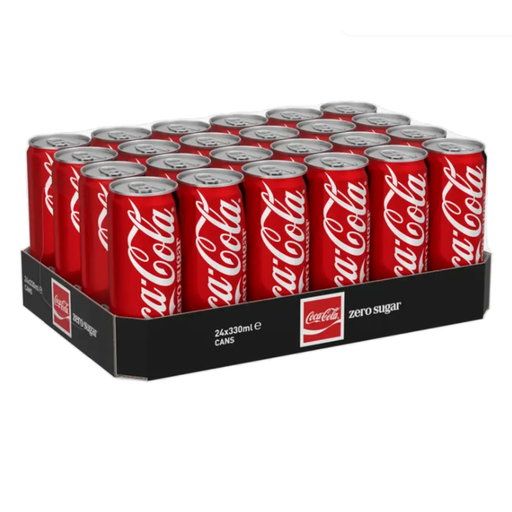
Why it suits this profile: A familiar cola in a pack of 24 x 330 ml cans, ideal for stocking up at home or for a gathering.
The product information lists 0 grams of sugar and 0 kcal per 100 ml. Check the current packaging for ingredients and warnings.
24 x 330 ml, cola flavour, suitable for vegetarians and vegans according to the product description.
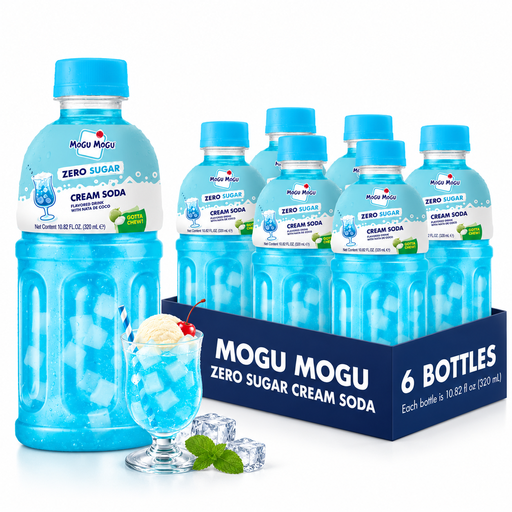
Why it suits this profile: For anyone looking for more than a standard fizzy drink and keen to try an unusual texture and flavour.
The packaging lists 0 grams of sugar per 100 ml and clearly states that it contains 15% nata de coco.
Six 320 ml bottles, pieces of nata de coco and around 6 kcal per bottle according to the product information.
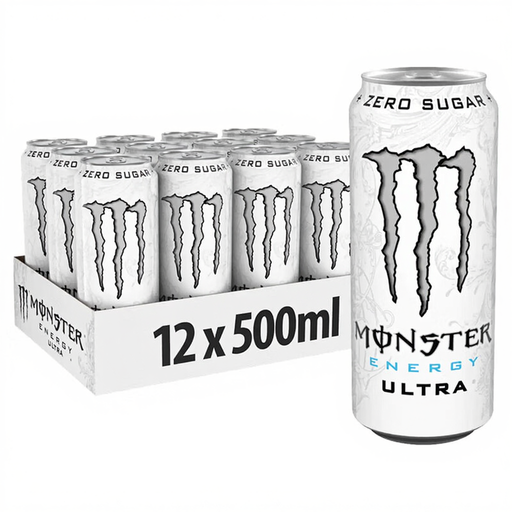
Why it suits this profile: A large multipack for anyone who regularly drinks sugar-free energy drinks at work, on the go or during other activities.
The product page lists both 0 grams of sugar and 12 kcal per 100 ml. It also states that the drink contains caffeine; check the label before use.
12 x 500 ml cans, a citrus profile and 0 grams of sugar according to the published nutritional information.
We’ve put together a complete, up-to-date list of products that meet these strict selection criteria and the applicable European safety requirements.
Not always. Many zero-sugar soft drinks contain few or no calories, but check the nutrition table per 100 ml. A fruit drink with no added sugar may contain natural sugars and therefore more calories.
It varies by product. Coca-Cola Zero Sugar Caffeine Free explicitly states that it’s a caffeine-free option. For cola, iced tea and energy drinks, check the ingredients list. Caffeine is usually listed separately.
A multipack can be practical and lower the price per can, but it depends on the offer and pack size. Compare the price per litre and check that you can use the full quantity within its shelf life and your available storage space. That way, you can avoid ending up with a large pack that’s inconvenient.
