
Vandaag of morgen in huis

Kwaliteit gegarandeerd

Welkomstaanbiedingen ontgrendelen: GRATIS bezorging | Tot 80% korting | Gratis 30 dagen JoyPlus-proefperiode
Download de app
Sugar-free soft drinks are popular with shoppers who want to cut down on sugar but still enjoy having cola, fruit drinks or energy drinks at home. A multipack often looks like good value, though not every pack size suits every household. So don’t just look at the words “zero” or “sugar free” on the front.
The product information on the packaging and product page usually gives you the key answers: how much sugar and how many calories the drink contains, which sweeteners have been used, how big the pack is, and whether there’s caffeine or other ingredients inside.
The terms zero sugar, sugar free and no added sugar don’t automatically mean the same thing in practice. With a zero-sugar soft drink, the nutritional table often shows a very low or zero value for sugar. With a fruit drink that has no added sugar, naturally occurring sugars from the fruit may still be present.
So always compare the “of which sugars” per 100 ml line. Also look at the difference between a drink with 0 kcal, a drink with a few kilocalories, and a fruit drink with more energy per 100 ml.
A soft drink multipack with 24 cans has an attractive price per pack, but it does need space in a kitchen cupboard, pantry or storage area. For a first purchase, a pack of 10 or 12 may be more practical.
Work out the price per litre and check the total volume. Twenty-four 330 ml cans, for example, contain 7.92 litres, while twelve 330 ml cans contain 3.96 litres.
Sugar-free cola, fruity zero-sugar drinks and sugar-free energy drinks can contain different sweeteners, acids and stimulating ingredients. Aspartame, for example, may be listed as a source of phenylalanine. Energy drinks often contain caffeine, and sometimes taurine, guarana or vitamins.
So if you want to avoid caffeine, don’t just look for “without sugar”. Check the full ingredients list and any warnings on the packaging.
Use the nutritional values per 100 ml as your standard comparison. Look out for:
A 330 ml serving naturally contains roughly 3.3 times the value shown on the label per 100 ml. So the serving size makes a difference when comparing a can with a bottle.
Sugar-free soft drinks often use sweeteners such as aspartame, acesulfame-K, sucralose, saccharin or steviol glycosides. The choice is mainly a matter of ingredient preference and taste. Read the label if you want to avoid certain sweeteners.
Products containing aspartame usually carry a warning about phenylalanine. People with phenylketonuria should carefully check the information on the packaging.
Choose a size that suits how you drink:
Always check the best-before date, storage instructions and product information on the packaging. The final labelling may vary by market or product variant.
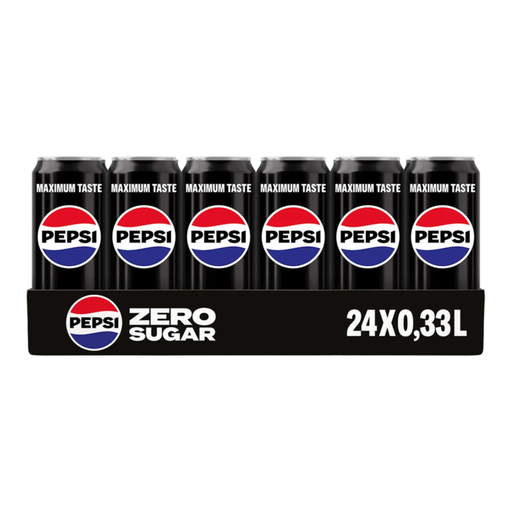
Why this fits the profile: A large multipack of 24 x 330 ml cans is practical for households that drink cola regularly and want to compare the price per can.
The nutritional information states 0 g sugar per 100 ml. Do check the ingredients and the aspartame warning on the packaging.
24 x 330 ml, 0 g sugar and approximately 0.4 kcal per 100 ml according to the product information.
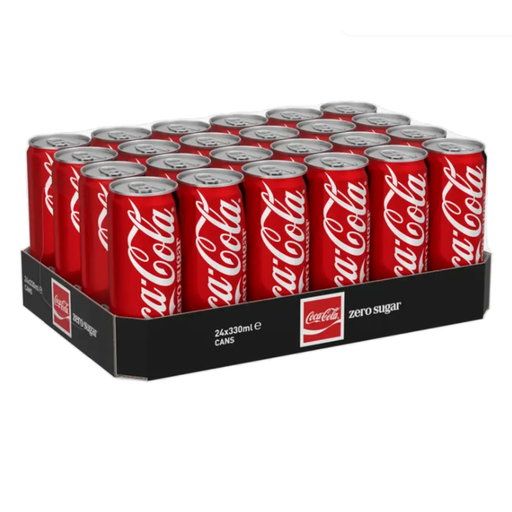
Why this fits the profile: Ideal if you’re after a trusted cola variant and value a consistent can size for home, guests or a party.
The product details show 0 g carbohydrates and 0 g sugar per 100 ml. The ingredients list does mention sweeteners and caffeine.
24 cans of 330 ml, 0 kcal per 100 ml according to the product information provided, and suitable for vegetarian and vegan shoppers according to the description.
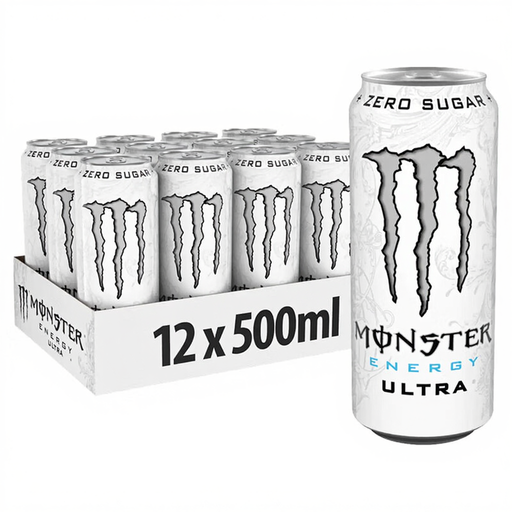
Why this fits the profile: The pack of twelve 500 ml cans is aimed at users who want a larger volume and a citrus flavour.
This is clearly an energy drink, not a regular zero-sugar soft drink. The product information lists caffeine, taurine and guarana; so check the warnings and your own consumption.
12 x 500 ml, citrus flavour, 0 g sugar and 12 kcal per 100 ml according to the product data.
We’ve put together a full, up-to-date list of products that fully meet these strict selection criteria and comply with current European safety regulations.
Often yes, but check the nutritional table. According to the product information provided, zero-sugar cola contains 0 kcal or a very low energy value per 100 ml. A sugar-free fruit drink may still contain more calories due to fruit components. What’s more, “no added sugar” doesn’t automatically mean 0 g sugar.
Many colas contain caffeine. With energy drinks, caffeine is actually a key part of the product. So check the ingredients list. A product like Sprite Zero is described as caffeine-free in the product information, but check the actual packaging before you order.
That depends on the price, the total volume and any delivery charges. Divide the total price by the number of cans and also compare the price per litre. A multipack is especially practical when you already know you like the flavour, have enough storage space and will use the stock within the best-before period.
