
Vandaag of morgen in huis

Kwaliteit gegarandeerd

Welkomstaanbiedingen ontgrendelen: GRATIS bezorging | Tot 80% korting | Gratis 30 dagen JoyPlus-proefperiode
Download de app
More and more people are opting for sugar-free soft drinks. Whether you're looking to limit your calorie intake, pursue a healthier lifestyle, or simply avoid the sugar crash, the selection of zero and light beverages is larger than ever. But with so much choice, it's easy to fall into a few common traps. Before you stock up on a whole case of soft drinks, it's wise to know what to look for.
As a Joybuy Product Recommendation Officer, I'm here to help you cut through the marketing jargon. We'll look at what really matters, so you can make a choice you'll be happy with, can after can.
The packaging makes big promises, but the reality can be disappointing. These are the most common mistakes when ordering soft drinks online:
To avoid the pitfalls mentioned above, there are a few specifications you should always check before making a purchase.
Not all sugar substitutes are created equal. The taste of your drink is largely determined by the sweetener used. The most common ones are:
The choice is personal. If you know you dislike a particular sweetener, always check the label.
Don't be tempted by just the total price of a case of soft drinks. The smart shopper calculates the price per unit. Compare the price per can or, even better, the price per litre. A 24-pack of 330 ml cans (7.92 litres total) can sometimes be more expensive than two 8-packs of 1.5-litre bottles (24 litres total). Ordering soft drinks online fortunately makes this comparison much easier.
Are you looking for a pick-me-up or a drink for your evening movie? Many cola varieties and, of course, every zero-sugar energy drink contain caffeine. If you're sensitive to it, or if the soft drinks are also for children, there are fortunately plenty of caffeine-free options. Brands like Coca-Cola, for example, offer specific caffeine-free zero-sugar versions. Always check the ingredients list if you want to avoid caffeine.
To help you choose, we've matched a few popular options to specific user profiles.

Why This Fits Their Persona: Offers the familiar cola taste without sugar and without caffeine. Ideal for those who want to enjoy a glass of cola at any time of day, including in the evening, without worrying about their night's sleep.
Avoids the pitfall of unwanted caffeine. You're consciously buying a product suitable for later consumption or for the whole family.
The full cola experience without sugar and caffeine. The 24-pack is convenient for stocking the pantry.
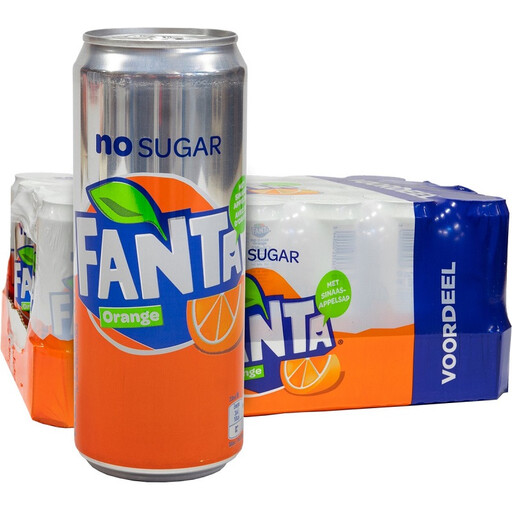
Why This Fits Their Persona: A popular, caffeine-free, and fruity option that appeals to almost everyone. Ideal for stocking the office fridge, the sports club, or for kids' parties.
By buying a universally loved flavour in bulk, you avoid getting stuck with a case that no one likes. The price per can is often favourable in a 24-pack.
Caffeine-free with a familiar, fruity taste. Bulk packaging for maximum convenience and a cost-effective price per unit.
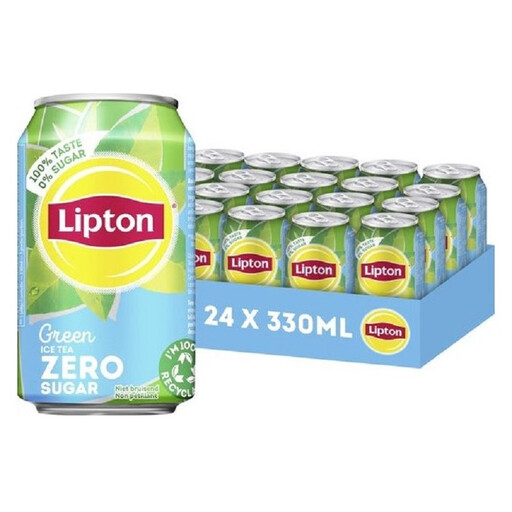
Why This Fits Their Persona: A light and refreshing alternative to traditional soft drinks. Perfect for those tired of the heavy cola taste and looking for something different, without sacrificing the convenience of a can.
Helps break the 'flavour rut'. Instead of blindly choosing a sugar-free cola, this offers a completely different, lighter experience that is still sugar-free.
Light, refreshing green tea flavour with a hint of citrus. Sweetened with stevia, among other things, and contains no sugar.
We have compiled a complete, up-to-date list of products that fully meet these strict selection criteria.
Functionally, both are sugar-free soft drinks. The difference lies mainly in the marketing and the recipe. 'Light' is often the older term, with a long-established recipe. 'Zero' is a newer term, where manufacturers try to approximate the taste of the original, sugary version as closely as possible, often using a different mix of sweeteners. The choice is therefore primarily a matter of personal taste preference.
Not necessarily. A soft drink deal on a large case may seem attractive, but it's wise to calculate the price per litre or per can. Sometimes, two smaller packs on offer can be relatively cheaper. By comparing online, you can quickly see where you'll get the best value.
The most commonly used sweeteners are aspartame, acesulfame-K, sucralose, and steviol glycosides (stevia). All these substances have been extensively researched and approved for consumption by the European Food Safety Authority (EFSA). They contain few to no calories. Which one you prefer is personal and a matter of trying them out.
