
Vandaag of morgen in huis

Kwaliteit gegarandeerd

Welkomstaanbiedingen ontgrendelen: GRATIS bezorging | Tot 80% korting | Gratis 30 dagen JoyPlus-proefperiode
Download de app
You want to enjoy a refreshing drink without the sugar, but the shelves are packed with choices that aren't always what they seem. Before you put a case of soft drinks in your shopping cart, it's wise to look beyond the packaging. As a Product Recommendation Officer at Joybuy, I filter out the noise for you, so you can make a choice that fits your needs without falling into common traps.
The market for sugar-free drinks is vast, and the marketing is clever. As a result, many consumers make choices they later regret. These are the most common missteps:
case of soft drinks seems like a good deal, but is it always? A large pack from an unknown brand can lead to a pantry full of a soft drink nobody likes. Furthermore, the price per litre isn't always lower.sugar-free energy drink. Not all sugar-free soft drinks are the same; some are designed to provide an energy boost, which isn't always desirable.To avoid a bad purchase, you can focus on a few objective characteristics. These specifications are always on the label and put you back in control.
The taste of zero-calorie soft drinks and light drinks is largely determined by the sweeteners used. The most common are:
Your personal preference for a particular sweetener or combination is a key factor.
Always check if a drink contains caffeine. This is crucial for families with children, people sensitive to caffeine, or if you plan to drink the soft drink in the evening. The categories are clearly distinguishable:
Buying soft drinks in bulk is often smart, but compare prices correctly. A Coca-Cola Zero deal on a case of 24 cans might seem like a bargain, but always calculate the price per litre or per unit (can/bottle). This helps you see the true cost and determine if the bulk pack is genuinely more economical for your situation.
Based on these objective criteria, we have selected several popular choices that suit different needs.
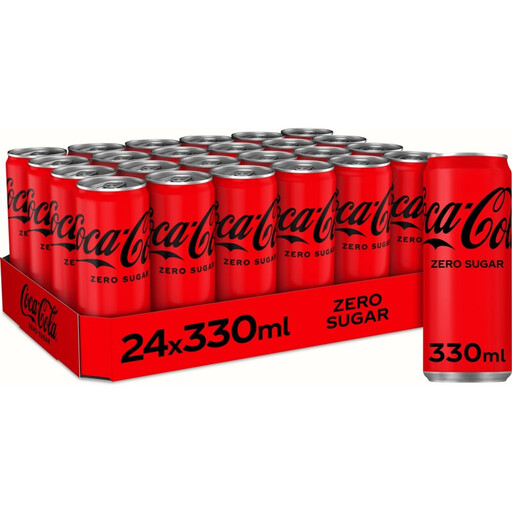
Why This Fits Their Persona: Ideal for restocking the office or for a large family. This bulk pack offers convenience and a predictable, popular taste that is widely appreciated.
You bypass the 'false economy' pitfall. By buying a familiar flavour in bulk, you ensure the stock will be consumed. The price per can is easy to calculate.
According to the manufacturer, it delivers the classic Coca-Cola taste without the sugar. The 330 ml cans are a convenient portion size for immediate consumption.

Why This Fits Their Persona: Perfect for those who want to enjoy a cola at any time of day, especially in the evening, without worrying about caffeine affecting their night's sleep.
This product directly addresses the 'unexpected caffeine kick'. The label explicitly states "Caffeine Free," leaving no room for confusion.
Offers the familiar taste of Coca-Cola Zero, but completely without sugar and without caffeine. The case of 24 is convenient for stocking up.
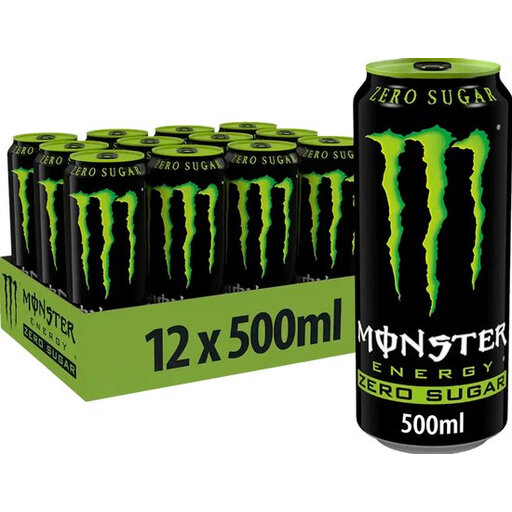
Why This Fits Their Persona: For students, athletes, or professionals looking for a functional boost without the sugar crash. This is a targeted choice for moments when extra energy is needed.
This is clearly positioned as a `sugar-free energy drink`, not a regular soft drink. The product information is clear about the presence of caffeine and other ingredients.
According to Monster Energy, the product contains taurine, ginseng, and B vitamins in addition to caffeine. The 500 ml can provides a substantial serving for a long-lasting effect.
We have compiled a complete, up-to-date list of products that fully meet these strict selection criteria and UK/EU regulations.
1. What is the difference between 'light' and 'zero' soft drinks? Although the terms are often used interchangeably, the difference usually lies in the marketing and the specific blend of sweeteners. 'Zero' is often positioned as a drink that mimics the 'original' taste without sugar, while 'light' can sometimes be its own, lighter flavour variant. In practice, both versions contain zero or very few calories. It's primarily a matter of personal taste.
2. How long does a case of sugar-free soft drink last? Just like regular soft drinks, sugar-free versions have a Best Before End (BBE) date, which is usually printed on the bottom of the can or on the bottle. For carbonated drinks, this is often a year or more. While the drink doesn't spoil immediately after this date, its quality, particularly the carbonation and flavour intensity, may decline.
3. Which sweeteners are most commonly used in sugar-free soft drinks? The most widely used sweeteners are aspartame, acesulfame-K, and sucralose. They are often used in combination to best approximate the taste of sugar. All these substances have been approved for consumption within the European Union and are considered safe with normal use. You can always find the specific sweeteners listed in the ingredients on the packaging.
