
Vandaag of morgen in huis

Kwaliteit gegarandeerd

Welkomstaanbiedingen ontgrendelen: GRATIS bezorging | Tot 80% korting | Gratis 30 dagen JoyPlus-proefperiode
Download de app
If you’re trying to cut down on sugar, you’ll quickly find yourself drawn to terms like sugar-free, light, zero calorie or low GI. But these words don’t tell the whole story. A product may contain no sugar, yet still be packed with polyols, fat or calories. What’s more, a packet might contain multiple servings, while the nutritional information is only given per tiny portion.
This guide will help you compare sugar-free snacks based on ingredients, nutritional values, packaging format and when you’ll use them. That way, you can make a more informed choice for home, on the go or at the office.
Sugar can be replaced with sweeteners such as maltitol, sorbitol, xylitol, erythritol or aspartame. The calorie count varies depending on the sweetener and the product. So a snack without sugar can still be relatively high in energy.
A clear example is a product with black sesame. The Haoxiangni Sugar-Free Black Sesame Balls state 0 grams of sugar per 100 grams, but according to the product information they provide 573 kcal per 100 grams. That’s why the portion size matters more than just what’s written on the front of the packet.
Marketing terms are no substitute for the nutrition table. The Panpan Low GI Sugar-Free Oat High Fiber Biscuits contain 11.7 grams of sugars per 100 grams according to the stated information, despite being labelled sugar-free. So always check the actual packaging and the full ingredients list before you order.
“Zero calorie” also needs to be read in context. The Orihiro Purun and Standing Zero Calories Apple states 0 kcal per 100 grams, but it does contain sweeteners and a source of phenylalanine. So it’s not automatically suitable for every lifestyle or dietary need.
Sugar-free sweets, sugar-free mints and sugar-free chewing gum often contain polyols. That’s why packets usually carry a warning that excessive consumption may have a laxative effect. Start with a small amount and see how you react.
For products containing aspartame, there is also a warning for people with phenylketonuria (PKU). If in doubt, always read the label and allergen information.
Use the nutrition table per 100 grams to compare products fairly. Then look at the actual portion:
A jelly with 7 kcal per portion, for example, suits a different occasion than biscuits with 470 kcal per 100 grams.
Pay attention to the sweetener used and any warnings. Common points to look out for include:
A product free from the 14 major EU allergens is not the same as a product suitable for every personal allergy. If you have allergies, always check the packaging.
The format partly determines whether a snack is practical. A jelly in a squeeze pouch is handy for on the go, while individually wrapped sesame balls can be suitable for a bag or desk. A jar or duo pack of mints makes more sense for sharing or stocking up.
For konjac jelly, the usage instructions are especially important. Orihiro states that you should squeeze the contents out of the packet while chewing to help prevent choking. Follow the instructions on the actual packaging.
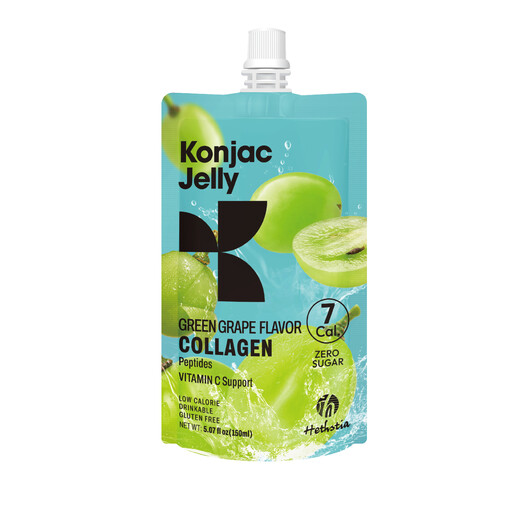
Why this fits the profile: The squeeze pouches are ready to use straight away and, according to the product information, a portion contains 7 kcal and 0 grams of sugar.
The table clearly states 7 kcal and 0 grams of sugars per 100 grams, so you don’t have to rely on the front of the packet alone.
10 pieces per pack, green grape flavour, squeeze packaging and no listed allergens.
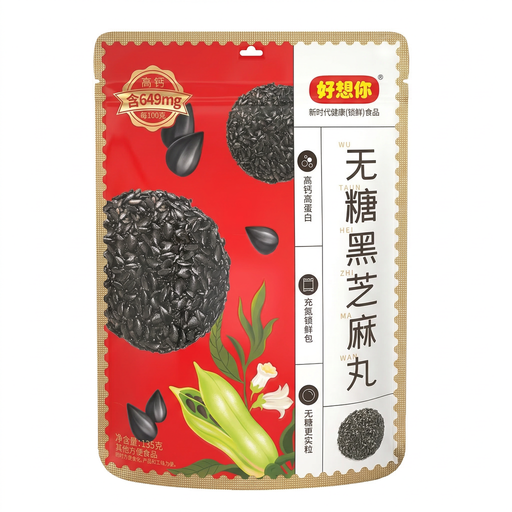
Why this fits the profile: The portions are individually wrapped and the product states 0 grams of sugar per 100 grams, with black sesame as the main ingredient.
The portion packaging makes the amount easy to manage. Do note the energy value of 573 kcal per 100 grams.
135 grams, approximately 17–18 pieces, individually wrapped and a short ingredients list with black sesame and maltitol.
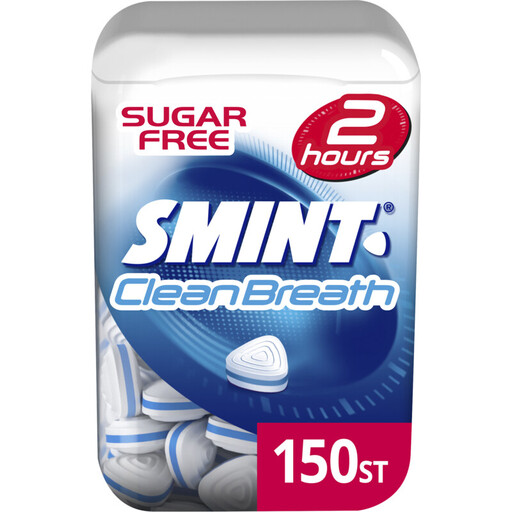
Why this fits the profile: The jar contains 150 pieces and, according to the product information, is suitable for use at work, at home or in the car.
The nutritional information states 0 grams of sugar and 96 grams of polyols per 100 grams. This shows you exactly which replacement has been used.
105 grams, 150 pieces, sugar-free and with zinc lactate according to the ingredients list.
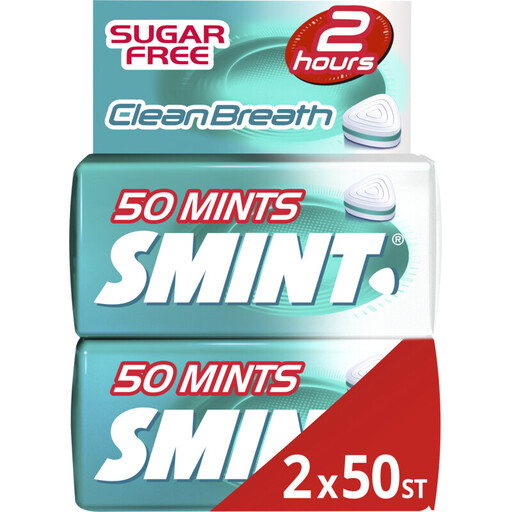
Why this fits the profile: The sturdy tin and duo pack are practical for a coat pocket, handbag or desk drawer.
The packaging clearly states that the product contains aspartame and polyols, including the relevant warnings.
100 mints in total, sugar-free and a size that’s suitable for mobile use.
We’ve put together a full, up-to-date list of products that fully meet these strict selection criteria and comply with current European safety regulations.
No. Check the energy per 100 grams and per portion. Sweets and mints may contain little sugar, but can still provide calories through polyols. Sesame products and biscuits are often higher in energy due to fats, grains or nut-like ingredients.
Squeeze pouches of konjac jelly, individually wrapped sesame balls and small rolls of sugar-free mints are practical. Pay attention to storage instructions, damaged packaging and the best-before date. According to the product information, an opened jelly should be stored in the fridge and used within the stated time.
That depends on the amount and your personal reaction to sweeteners. Products with sorbitol, maltitol or other polyols can have a laxative effect if you have too many. Also read the warning for aspartame and phenylalanine. It’s better to choose a sensible portion than to keep snacking without limit.
