
Vandaag of morgen in huis

Kwaliteit gegarandeerd

Welkomstaanbiedingen ontgrendelen: GRATIS bezorging | Tot 80% korting | Gratis 30 dagen JoyPlus-proefperiode
Download de app
If you’re trying to cut down on sugar, your eye is quickly drawn to the word “sugar-free” on the packaging. But that word doesn’t tell the whole story. A snack can contain 0 grams of sugar and still deliver relatively high levels of carbohydrates, calories or sweeteners. Terms like “low GI”, “high in protein” and “no added sugar” also call for a closer look at the full nutritional information panel.
As a Joybuy Product Recommendation Officer, I filter product information based on practical points. This way, you can see more quickly which sugar-free snacks suit your diet, workday, workout or journey.
Sugar is just one component of carbohydrates. For example, Klene Sugarfree Salty Ovals list 0 grams of sugar, but also 53 grams of carbohydrates per 100 grams. The sweeteners maltitol and steviol glycosides replace the sugar, but they don’t make the product completely free of carbohydrates.
The same applies to some low-carb snacks: always check the values for carbohydrates, polyols and fibre rather than just the front of the packaging.
A product with no added sugar can contain naturally occurring sugars. According to the product information, Hero B’Tween Muesli Bar Zero White Chocolate contains 1.7 grams of sugar per 100 grams, alongside 42 grams of polyols. So the claim refers to added sugar, not a completely sugar-free product.
Even ordinary biscuits, such as Royal Ballet Wonderful Copenhagen Danish Butter Cookies, contain 25 grams of sugar per 100 grams. This isn’t a sugar-free snack, but it can serve as a comparison when you want to assess the difference between regular and adapted snacks.
Maltitol, sucralose, acesulfame-K and other sweeteners are common in snacks with no added sugar. Some products carry a warning that excessive consumption may have a laxative effect. This applies, for example, to products with a high polyol content, such as certain protein bars and confectionery varieties.
A small package or individual portions help you to dose more consciously, but also check how many portions the package contains.
Don’t just compare per 100 grams. A portion can be significantly smaller than 100 grams. The Grenade Carb Killa Chocolate Chip Salted Caramel contains per 60 g bar:
This makes the bar interesting as a protein-rich snack, but the amount of polyols is an important point to note. So look at the values per bar and per 100 grams.
For athletes or people with an active lifestyle, protein bars and other high-protein snacks can be practical. However, a higher protein content doesn’t automatically make a snack suitable for every diet. Also check the fat content, total energy and the ingredients.
If you’re particularly focused on satiety and grains, you might look at high-fibre biscuits. Panpan Low GI Sugar-Free Oat High Fiber Biscuits list 10.6 grams of protein and 11.7 grams of sugar per 100 grams. The product information describes the product as low in sugar and high in fibre, but it still contains carbohydrates and the sweetener maltitol.
Pay attention to the bold allergens on the label. Many snacks contain milk, soya, peanuts, nuts, wheat, gluten or sesame. Jelly B Konjac Jelly Mango is listed as gluten-free and, according to the information provided, contains no specific allergens. Haoxiangni Black Sesame Balls, on the other hand, contain sesame.
For gluten-free snacks, checking the current packaging is important. Recipes and production locations can change. If you have an allergy or intolerance, always use the label as your deciding source.
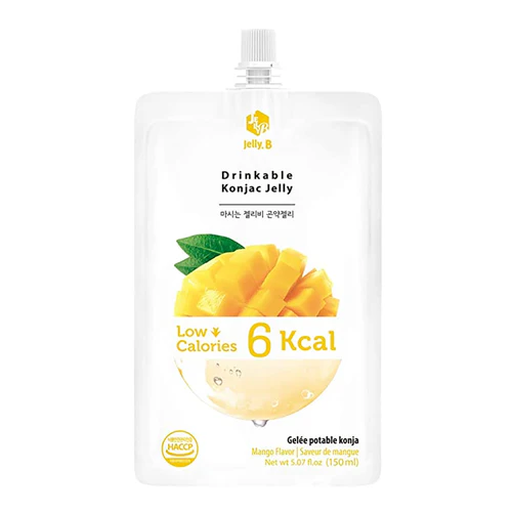
Why this fits the profile: A compact portion for on the go, at the office or as a light sweet snack. The product information states 3 kcal and 0 grams of sugar per 100 ml.
The nutritional values per 100 ml are clearly stated. Do check the sweeteners and portion size on the current label.
150 ml, mango flavour, konjac texture and, according to the product information, gluten-free.
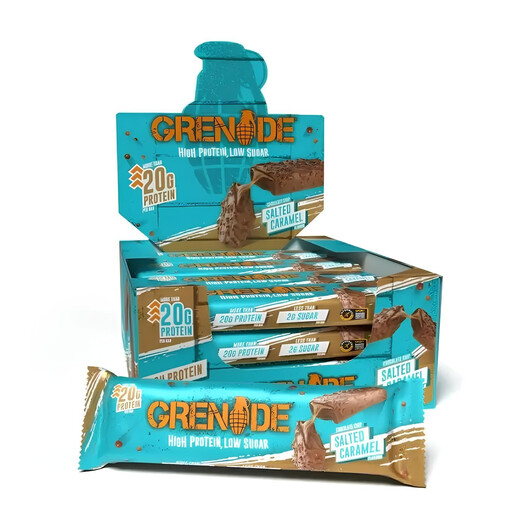
Why this fits the profile: Aimed at adults looking for a reliable protein-rich snack for work, travel or sport.
The values per bar are specified. The bar does contain maltitol and other polyols; according to the product information, excessive consumption may have a laxative effect.
20 grams of protein per bar, 1.4 grams of sugar and individually wrapped in a box of 12 bars.
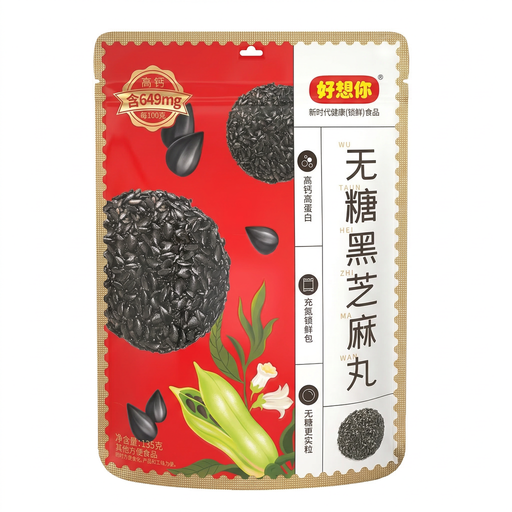
Why this fits the profile: Individually wrapped balls are handy for fans of Asian flavours and for portions on the go.
The product information states 0 grams of sugar, but also 573 kcal and 44.5 grams of fat per 100 grams. This prevents “sugar-free” from being confused with low-calorie.
At least 60% black sesame, maltitol as a sweetener and 17 to 18 individually wrapped pieces. Contains sesame.
If you’re looking for Japanese snacks, you’ll often come across konjac jelly or mochi. With Mochikon Matcha Konjac, check the stated values: 82 kcal, 16 grams of carbohydrates and 5 grams of sugar per 100 grams. The product contains soya and is therefore not suitable for people who avoid soya.
For fans of sugar-free liquorice, Klene Sugarfree Salty Ovals are an option with 0 grams of sugar per 100 grams. They do contain maltitol and 53 grams of carbohydrates. So also read the warning about excessive consumption and take your personal tolerance into account.
We’ve put together a full, up-to-date list of products that fully meet these strict selection criteria and comply with current European safety regulations.
That depends on the packaging and the portion size. Individually wrapped protein bars, konjac jelly and sesame balls are practical for work, travel or sport. Check beforehand whether the product needs to be kept cool and pay attention to allergens.
No. Sweeteners replace sugar, but fats, grains, nuts and chocolate can still provide a lot of energy. So compare the calories per portion. A product with 0 grams of sugar is not automatically a low-calorie choice.
Look at the protein content per individual portion. The Grenade Carb Killa states 20 grams of protein per bar. Other products in this category may focus more on a light texture, fibre or a low sugar content. Use the full nutritional information panel and ingredients list to tailor your choice to your own diet.
