
Vandaag of morgen in huis

Kwaliteit gegarandeerd

Welkomstaanbiedingen ontgrendelen: GRATIS bezorging | Tot 80% korting | Gratis 30 dagen JoyPlus-proefperiode
Download de app
If you're watching your sugar and calorie intake, you'll quickly come across terms like sugar-free, low GI, keto and healthy snacks when browsing online shops. These words sound straightforward, but they don't always tell the full story. A product without sugar can still be high in calories, carbohydrates or sweeteners.
With this guide, you can compare sugar-free snacks based on verifiable information. That way, you can choose the right sugar-free treat for on the go, at work or at home, without relying solely on what's written on the front of the packet.
"Sugar-free" usually means that there is little to no sugar present, according to current labelling regulations. It doesn't automatically mean a product is low in energy. For example, the Haoxiangni Sugar-Free Black Sesame Balls provide 573 kcal per 100 grams according to the product information. The balls contain 0 grams of sugar per 100 grams, but also 44.5 grams of fat.
Polyols, such as maltitol, sorbitol and xylitol, can also contribute to the carbohydrate or energy content. Always check the nutritional values per serving and per 100 grams.
Some low-calorie snacks are marketed as low GI snacks, but a marketing claim is no substitute for a concrete, verifiable glycaemic index value. The Panpan biscuits state "low GI" in the product description and replace sucrose with maltitol. However, the listed nutritional values do not include a specific GI score.
So treat the term as an indication, not a guarantee. Also check the total amount of carbohydrates, sugars and polyols.
An individually wrapped snack is convenient, but always check the allergens and warnings when you buy. Biscuits may contain wheat, soya, oats and egg, for example. Sugar-free peppermints may contain sweeteners that can have a laxative effect if consumed in excess. Some products also state that they are a source of phenylalanine.
The ingredients list and allergen information are more important than terms like "fit", "light" or "keto".
For a fair comparison of sugar-free snacks, look at these three things on the label:
A konjac jelly can be relatively low in calories, while a snack based on sesame or grains provides more energy. Both can fit into a mindful lifestyle, but for different occasions.
Many sugar-free snacks use polyols or intense sweeteners. Examples in this selection include maltitol, erythritol, sorbitol, xylitol, sucralose and acesulfame-K. Personal tolerance varies. If you eat several servings, some polyols can cause a laxative effect.
Also check for warnings such as "contains a source of phenylalanine". This is stated on products containing aspartame, for example.
For on the go, konjac jelly and individually wrapped black sesame balls are practical. Biscuits are suitable when you want something crunchy, but a 216g pack can encourage larger portions. A roll of sugar-free peppermints, on the other hand, is mainly intended for a small, long-lasting refreshment.
With jelly products, pay attention to the usage instructions. The Orihiro packaging states that you should squeeze the contents out while chewing to prevent choking. Always follow the instructions on the packet.
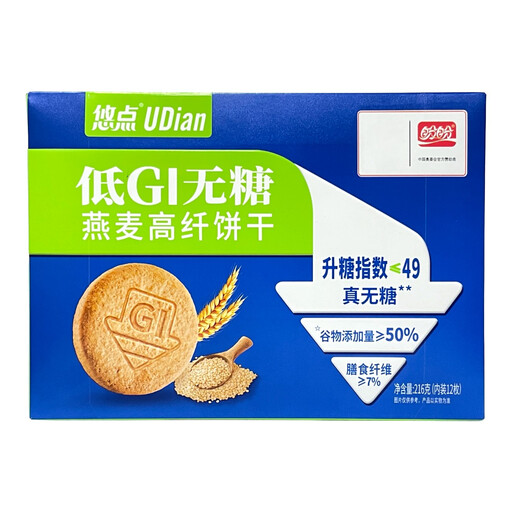
Why it fits this profile: A ready-to-eat biscuit for home, the office or with your coffee. The combination of wholemeal flour, oats and wheat bran gives it a familiar crunchy texture.
The product information states 11.7 grams of sugar and 470 kcal per 100 grams. This allows you to estimate the portion size more realistically, rather than just relying on the "sugar-free" label.
216 grams per pack, ready to eat, and with 10.6 grams of protein and 20 grams of fibre-rich ingredients per 100 grams according to the product description.
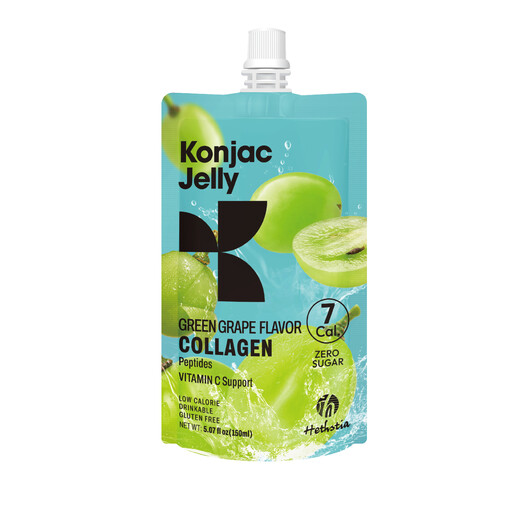
Why it fits this profile: These portion packs are designed for anyone looking for a soft, slightly chewy snack with a grape flavour and minimal preparation.
The nutritional information states 7 kcal, 0 grams of sugar and 1 gram of carbohydrates per 100 grams. The serving and storage advice remains important, though.
Squeeze pouch, ready to use straight away, and once opened, keep refrigerated for a maximum of 2 days according to the product information.
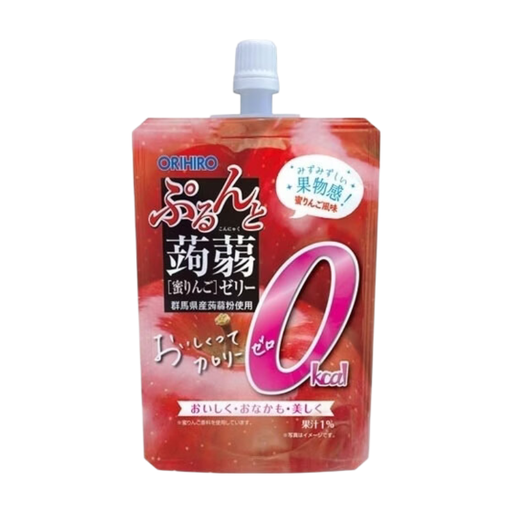
Why it fits this profile: A practical apple-flavoured option for anyone who wants to take a chilled, soft snack with them or use it straight from the pack.
The stated nutritional value is 0 kcal per 100 ml, and the ingredients list includes erythritol, apple juice and konjac flour. Check the actual packaging for serving information.
Ready-to-eat, apple flavour and a bouncy texture. The packaging recommends serving chilled and chewing carefully while eating.
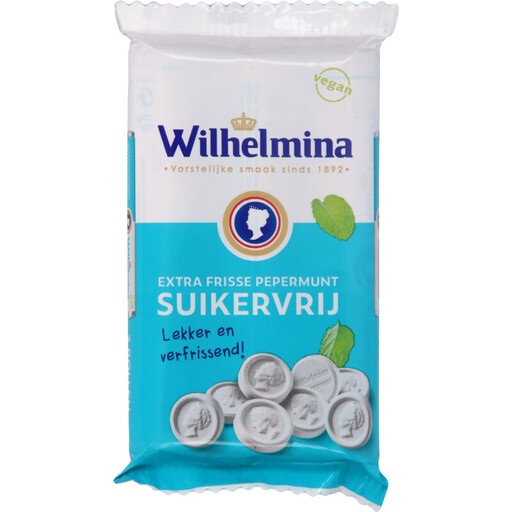
Why it fits this profile: Handy for a bag, desk or car when you want a small sugar-free mint without carrying a larger snack pack.
The label states 0 grams of sugar, but also 98 grams of polyols and 241 kcal per 100 grams. This makes it clear why portion size matters.
Three rolls, easy to carry, and according to the product information, vegan and gluten-free. Excessive consumption may have a laxative effect.
Not every low-calorie or sweet-tasting snack is sugar-free. Jele Light-Orange contains 7.7 grams of sugar per 100 grams according to the nutritional information. If you're strictly watching your sugar intake, it's better to choose a product that states 0 grams of sugar on the label.
The Haoxiangni Sugar-Free Black Sesame Balls are sugar-free according to the product information, but they are relatively high in calories and fat. They may suit someone looking for a compact, sesame-rich snack, but they are less suitable for a strictly low-calorie diet.
We've put together a full, up-to-date list of products that fully meet these strict selection criteria and comply with current European safety regulations.
No. The term refers to the sugar content, not automatically the amount of energy. Products with fats, grains or sesame can still be high in kcal. Always check the nutritional value per serving and per 100 grams.
It varies from product to product. Check the total carbohydrates, polyols and ingredients. A product described as "keto-friendly" is not automatically suitable for every keto plan. The Hethstia konjac jelly is described as keto-friendly and sugar-free in the product description, but check the actual packaging and your own dietary goals.
The shelf life varies by product. Check the date on the packaging and store the snack according to the instructions. Once opened, jelly should be kept refrigerated and used within the stated time according to the product information. Dry snacks like biscuits and peppermints should generally be stored in a cool, dry place away from direct sunlight.
