
Vandaag of morgen in huis

Kwaliteit gegarandeerd

Welkomstaanbiedingen ontgrendelen: GRATIS bezorging | Tot 80% korting | Gratis 30 dagen JoyPlus-proefperiode
Download de app
The search for sugar-free snacks can feel like navigating a maze. Packaging promises a healthy choice, but the fine print often tells a different story. Many people fall into the same traps: buying a product labelled 'sugar-free' that's packed with fats or artificial additives, or ending up with a snack that has a disappointing, chemical aftertaste. It's a waste of your money and good intentions.
Before you toss another random product into your basket, it's helpful to recognise the most common pitfalls:
You don't need to be a nutritionist to make a good choice. By focusing on a few key points, you can see through marketing claims and find a snack that truly suits you.
The label is your most important tool. "Sugar-free" legally means a product contains no more than 0.5 grams of sugar per 100 grams or 100 ml. The sweetness is often achieved with sweeteners. A commonly used group are polyols (sugar alcohols), such as xylitol, maltitol, and erythritol.
Don't just focus on the 'of which sugars' line. You only get the full picture by looking at the entire table.
A long list of unrecognisable ingredients is often not a good sign. Products with a short, clear ingredient list based on recognisable foods are often a purer choice. This is a good rule of thumb when searching for healthy snacks.
Not everyone is looking for the same thing in a sugar-free snack. Below are a few options, tailored to specific situations and preferences.
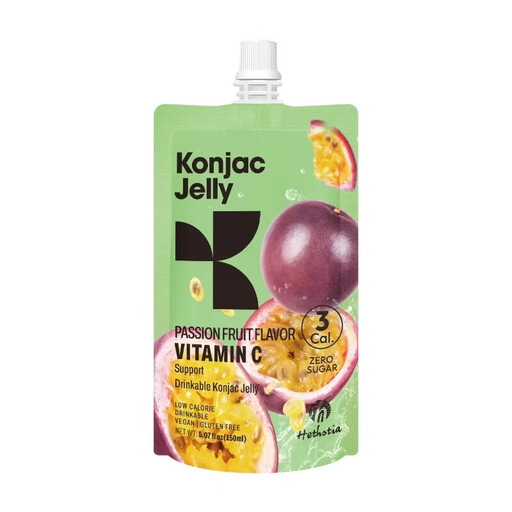
Why This Fits Their Persona: Ideal for those who want a quick, fruity, and refreshing snack for work, after a workout, or on the move. The squeeze pouch is convenient and mess-free.
This product bypasses the 'sugar-free isn't always healthy' trap by being genuinely extremely low in calories (only 7 kcal per serving) and fat. The taste is fresh and fruity, without the chemical aftertaste sometimes found in sugar-free sweets.
Completely sugar-free, gluten-free, and with only 7 calories. Fits perfectly into a calorie-conscious or keto diet. According to the manufacturer, it also contains vitamin C.
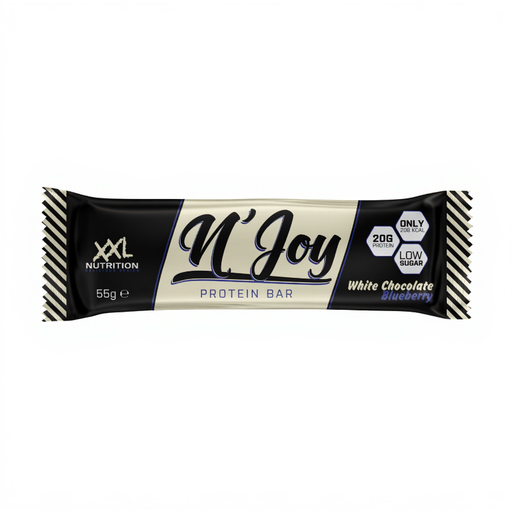
Why This Fits Their Persona: For those who need a functional post-workout snack that aids muscle recovery but don't want a sugary bar. This bar combines a high dose of protein with the taste of a treat.
This isn't just a glorified candy bar. The focus is on functional nutrition: 20.4 grams of protein per bar. The sugar content is very low at 1.65 grams, completely avoiding the 'hidden sugar' pitfall.
Delivers a significant amount of protein (20.4 g) for muscle maintenance and recovery. The combination of white chocolate and blueberry provides a satisfying taste without a sugar crash.
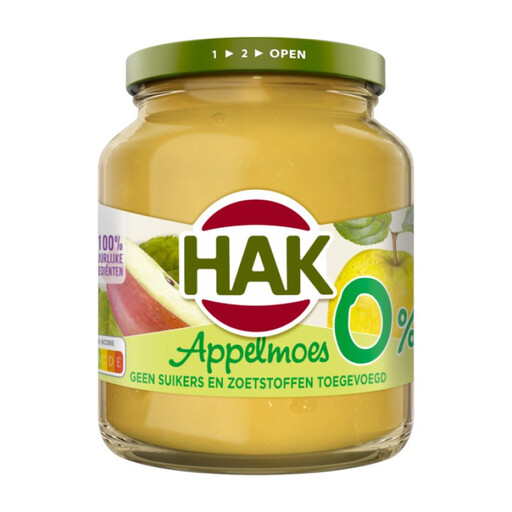
Why This Fits Their Persona: For those seeking an uncomplicated snack without artificial additives. Perfect as a snack, dessert, or part of a meal. Just apple, no-fuss.
This product is the definition of transparency. The '0%' label refers to 0% added sugars and sweeteners. The ingredient list is extremely short (apple, lemon juice, antioxidant), so you know exactly what you're eating. It bypasses the trap of unnecessary additives.
Consists of 99.8% apple and contains only naturally occurring sugars. It has a Nutri-Score A, confirming its excellent nutritional composition. A versatile and pure option.
We have compiled a complete, up-to-date list of products that meet these selection criteria and comply with Dutch regulations.
'Sugar-free' is a protected claim that means a product contains a maximum of 0.5 grams of sugar per 100 grams or ml. 'No added sugars' means that no sugars (like granulated sugar or syrup) or other sweetening ingredients were added during production. However, the product can still contain naturally occurring sugars, such as those in fruit (fructose) or milk (lactose). The Hak applesauce is a perfect example of this.
Polyols (sugar alcohols) are absorbed differently by the body than sugar and generally have a lower impact on blood sugar levels. Therefore, they often fit well within a low-carb or keto diet. It is wise, however, to calculate the net carbs (total carbs minus polyols) and monitor your total intake, as large amounts can cause digestive issues in some people.
Always look at the nutritional information table on the back. A good high-protein snack has a high protein content (e.g., more than 15 grams per serving) in relation to a low sugar content (ideally less than 5 grams per serving). The N'Joy Protein Bar demonstrates what a favourable ratio of protein to sugar can look like.
