
Vandaag of morgen in huis

Kwaliteit gegarandeerd

Welkomstaanbiedingen ontgrendelen: GRATIS bezorging | Tot 80% korting | Gratis 30 dagen JoyPlus-proefperiode
Download de app
Looking for a smart snack choice? The sugar-free snack aisle seems like a perfect solution, but the reality is often more complex. Packaging can be misleading, and not every snack is what it appears to be. Before you fill your shopping cart, it's essential to understand the common pitfalls.
Many consumers encounter the same issues:
With the right knowledge, you can navigate these challenges and choose sugar-free snacks that truly fit your lifestyle.
You don't need to be a nutritionist to make a smart choice. By paying attention to a few key points, you can filter through the options and find exactly what you're looking for.
Sugar is replaced by sweeteners, which can be broadly divided into two groups:
The choice of sweetener is personal; some people are more sensitive to the side effects of polyols than others.
A sugar-free snack is not automatically a low-calorie snack. The energy can come from fats or complex carbohydrates. If your goal is weight management, always check the total number of calories per serving or per 100 grams.
For those on a low-carb or keto diet, or for snacks for diabetics, the number of carbohydrates is crucial. Pay attention to the "net carbs": the total carbohydrates minus the polyols and fibres, as these have less impact on blood sugar levels.
A long list of unrecognisable, chemical-sounding names is not always a good sign. Products with a shorter, more understandable ingredient list, based on ingredients like nuts, seeds, or whole grains, are often a more balanced choice for a healthy snack.
To help you get started, we've highlighted a few products that suit different preferences and lifestyles.
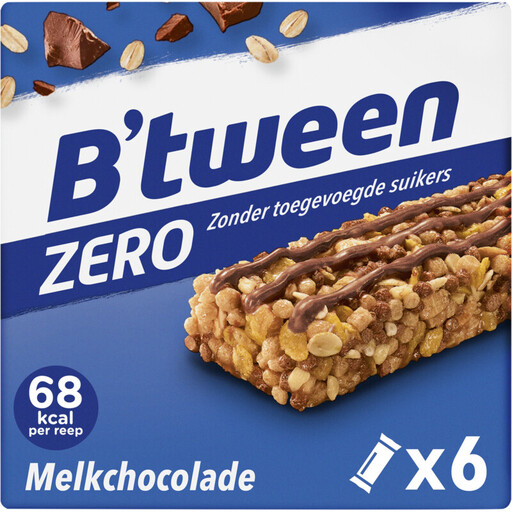
Why it's a match: Ideal for anyone looking for a familiar and convenient snack for work or on the go. The bar combines grains with milk chocolate for a satisfying taste, without the added sugars.
The individual packaging and clear calorie count per bar (68 kcal, according to Hero) prevent you from unintentionally overeating. You know exactly what you're consuming.
These sugar-free bars are individually wrapped, making them practical for your bag or desk drawer. The combination of grains and peanuts provides a satisfyingly firm bite.

Why it's a match: For those who want something different from the usual sweet treat. This savory, spicy snack is made from konjac, a plant-based fibre. Its texture is unique and the flavour is zesty, making it an interesting alternative to crisps or cocktail nuts.
This product tackles the taste-disappointment pitfall by offering a completely different profile: savory and spicy instead of a mediocre sweet imitation. Konjac is naturally low in calories and carbohydrates.
Very low in calories (84 kcal per 100g) and fits perfectly into a low-carb diet. The individual packets make it easy to share or portion out.
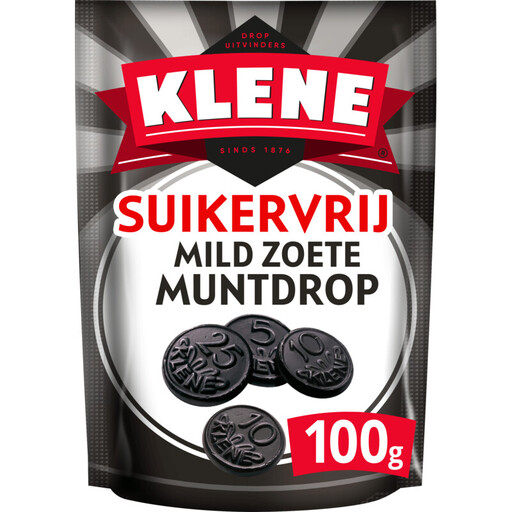
Why it's a match: For the fan of classic Dutch sweets. Klene offers the familiar taste of licorice, but as a sugar-free candy. This is a direct replacement for anyone who loves licorice but wants to avoid sugar.
This product doesn't disappoint on taste, as it replicates the authentic licorice flavour according to Klene's recipe. It's a genuine alternative to a sugar-laden classic.
According to the manufacturer, this licorice contains 30% fewer calories than the original version. The resealable packaging is convenient for keeping the sweets fresh.
We have compiled a complete, up-to-date list of products that meet these selection criteria. Find the perfect snack for your next party or get-together.
Not necessarily. "Sugar-free" doesn't automatically mean "calorie-free." Some snacks still contain a lot of calories from fats or other carbohydrates. If weight loss is your goal, it's important to look at the total calorie count and not just the sugar content.
This warning appears on products containing polyols (sugar alcohols) like maltitol or sorbitol. These sweeteners are not fully absorbed by the body and can cause gastrointestinal issues, such as bloating or diarrhoea, when consumed in large quantities. Sensitivity to this varies from person to person.
Many sugar-free snacks are a better choice for people with diabetes than their sugary counterparts. However, it's still crucial to look at the total number of carbohydrates, as these affect blood sugar levels. Polyols have a smaller impact but are often partially counted. Always consult with a doctor or dietitian to determine what best fits your diet.
