
Vandaag of morgen in huis

Kwaliteit gegarandeerd

Welkomstaanbiedingen ontgrendelen: GRATIS bezorging | Tot 80% korting | Gratis 30 dagen JoyPlus-proefperiode
Download de app
Eating or drinking less sugar sounds simple, but the label often tells a different story. A product labelled “zero”, “sugar-free” or “no added sugar” may still contain carbohydrates, polyols or naturally occurring sugars. This means you may sometimes compare products that do not mean the same thing, even though the packaging suggests that they do.
This guide makes it easier to find sugar-free products that suit your eating occasion, taste and budget. We’ll first cover the main pitfalls, followed by some options for different situations.
In jam with no added sugar, the sugars often come from the fruit itself. For example, Hero Strawberry Jam Zero contains 50% strawberries and lists 3.2 grams of sugar per 100 grams. Its sweetness also comes from maltitol and sucralose.
This makes it different from completely sugar-free sweets or sugar-free soft drinks. Always check the nutrition table rather than relying solely on the front of the packaging.
Sweeteners can replace sugar, but other ingredients still contribute to the nutritional content. Remia Tdt Fritessaus Zero contains 0 grams of sugar per 100 grams, but also 130 kcal and 10 grams of fat. The sauce can therefore fit into a sugar-conscious diet without being low in calories.
The same applies to some sugar-free biscuits and muesli bars. As well as sugar, check the energy, fat content and recommended serving size.
Many sugar-free products contain polyols such as maltitol, sorbitol, xylitol or erythritol. The packaging may state that excessive consumption can have a laxative effect. Wilhelmina Sugar-Free Peppermint also states that it contains aspartame and a source of phenylalanine.
Always check the ingredients and warnings, particularly when giving the product to children or taking an allergy or intolerance into account.
Where possible, compare the values per 100 grams or per 100 millilitres. Serving sizes are not the same for every brand. Look out for these terms:
Serving size is important when choosing low-calorie snacks. A muesli bar containing 68 kcal per bar can be easy to keep track of when each bar is individually wrapped. According to the product information, Hero B'Tween Muesli Bar Zero White Chocolate contains 68 kcal per bar, but also maltitol, cereals, milk and peanuts.
Comparing servings works well for sauces too. For example, Remia lists 15 ml as one tablespoon. This gives you a clearer idea of how much you actually use with chips, snacks or salad.
Always read the current packaging. Important allergens are usually clearly indicated, including:
Online product information may differ from the packaging. Before consuming the product, check the ingredients, allergens, storage instructions and best-before date.
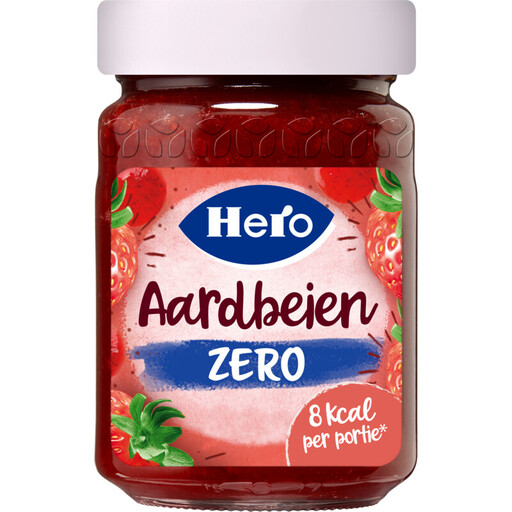
Why it suits this profile: A 300-gram jar is practical for breakfast and lunch. The jam contains 50% fruit and 8 kcal per stated 15-gram serving, according to the product information.
The nutritional values make it clear that “no added sugar” is not the same as 0 grams of sugar.
50% fruit, 300 grams of contents and clear serving information.
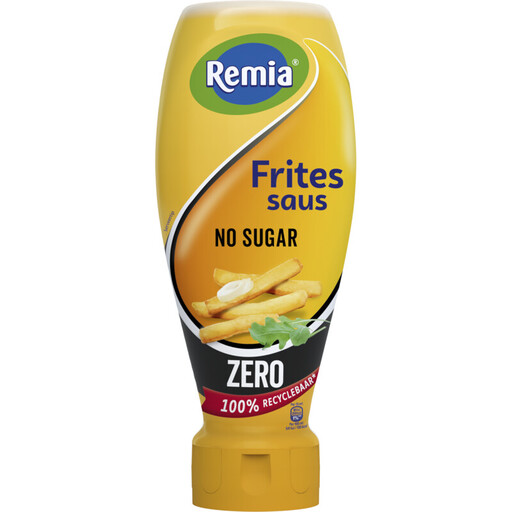
Why it suits this profile: The 500 ml squeezy bottle is suitable for regular use with chips, snacks and salads.
The table shows both 0 grams of sugar and 130 kcal and 10 grams of fat per 100 grams. This helps you avoid misjudging the calorie content.
0 grams of sugar, 500 ml of contents and a gluten-free claim according to the product information.
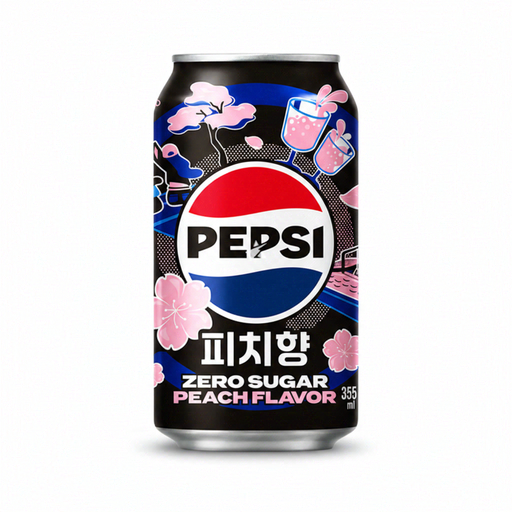
Why it suits this profile: This sugar-free Korean soft drink is ideal for anyone keen to try a fruity alternative to cola and Asian sugar-free products.
Per 100 ml, the label lists 0 kJ, 0 kcal and 0 grams of sugar. However, the ingredients list does mention aspartame and other sweeteners.
350 ml, 0 grams of sugar per 100 ml and a carbonated peach flavour.
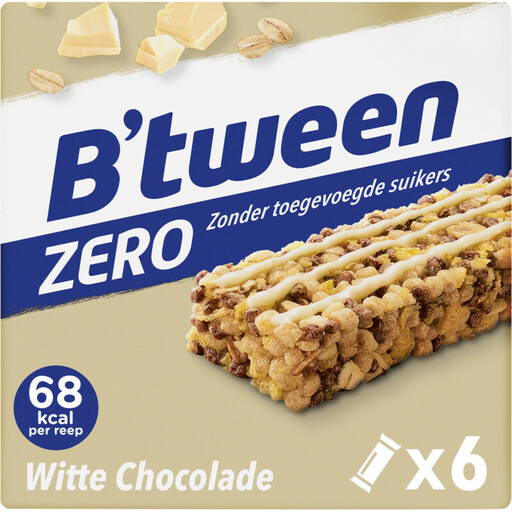
Why it suits this profile: Individually wrapped bars are easy to take to school, work or wherever you are going.
The serving is given per bar: 68 kcal. At the same time, the product contains 42 grams of polyols per 100 grams, so the warning about excessive consumption remains relevant.
120 grams per pack, individually wrapped and with no added sugar according to the product description.
We’ve put together a complete, up-to-date list of products that fully meet these strict selection criteria and the applicable European safety regulations.
Depending on your eating pattern, you may also want to look at:
For larger packs, such as a tray of Iam Superjuice Mango or Passionfruit, the price per litre is more important than the price of a single can. This helps you avoid paying more for a multipack than for a smaller pack.
No. Sugar may have been replaced with sweeteners, but fats, cereals or other sources of carbohydrates may still be present. Always check the energy content per 100 grams or per serving.
Sugar-free refers to a very low or zero sugar value according to the product information. No added sugar means that no sugar has been added to the recipe. Fruit or other ingredients may still provide natural sugars.
This varies from product to product. Sweets, mints and unopened soft drinks often have a longer shelf life than jam once opened. Always follow the best-before date and storage instructions on the packaging. Once opened, jam or sauce usually needs to be refrigerated or stored according to the label.
