
Vandaag of morgen in huis

Kwaliteit gegarandeerd

Welkomstaanbiedingen ontgrendelen: GRATIS bezorging | Tot 80% korting | Gratis 30 dagen JoyPlus-proefperiode
Download de app
Cutting down on sugar sounds simple, but in the shops and online, sugar-free products, products with no added sugar and low-carb snacks can easily blur into one another. A striking packet doesn’t always tell you the full nutritional story. What’s more, a product with no added sugar may still contain natural sugars or a hefty dose of sweeteners.
So if you’re shopping with purpose, you need to look beyond words like “zero”, “light” or “natural”. Below, you’ll find out which information really matters and which products suit different occasions.
A fruit drink with no added sugar can still contain sugars from fruit. For example, the product information for Iam Superjuice Passionfruit Drink states 30% natural passion fruit juice and 17 kcal per 100 ml. The “no added sugar” label here means that, according to the available information, no sugar has been added to the recipe; it doesn’t automatically mean the drink contains no natural sugars.
In the EU, the legal term sugar-free has a specific meaning: the product may contain no more than 0.5 grams of sugar per 100 grams or 100 ml. So always check the nutritional information panel, not just the front of the pack.
Sugar can be replaced with sweeteners, polyols or other carbohydrate sources. A cereal bar with no added sugars can therefore still be relatively high in carbohydrates. The Hero B'Tween Zero White Chocolate Muesli Bar lists per 100 grams 339 kcal, 71 grams of carbohydrates and 42 grams of polyols. The product information also notes that excessive consumption may have a laxative effect.
For a snack on the go, a portion of 68 kcal is relevant, but don’t compare that portion directly with the per-100-gram values of another product.
A box of 12 or 24 cans can be convenient, but only buy in bulk if you already know you like the taste and have enough storage space. With sugar-free drinks, pay attention to:
A 24-pack of Pepsi Zero Sugar Peach is practical for regular drinking, while a tray of 12 tropical fruit drinks might be better if you want to try different flavours.
Always compare products on the same basis. Look at:
With zero-sugar fizzy drinks, the sugar column may show 0 grams, while the product still contains several sweeteners. According to the product information, Pepsi Peach Zero Sugar includes aspartame, acesulfame-K and sucralose. If you’re sensitive to certain ingredients, it’s wise to read the full label.
Check whether the product fits your diet and any allergies you may have. According to its label, Hero B'Tween contains oats, barley, wheat, gluten, milk and peanuts. Remia Tdt Fritessaus Zero contains mustard and egg. So a product can be free from sugar but not suitable for every shopper.
For Asian sugar-free products and tropical fruit drinks, the Dutch product page is a handy starting point, but also check the physical packaging when it arrives. The composition, warnings and storage advice can be more detailed on the label.
Breakfast, lunch, on the go and parties all have different requirements:
According to the product information, Ganzhiyuan Xylitol Sugar Substitute is made from xylitol and a corncob-derived base. Use it as an ingredient or sweetener following the instructions on the pack; don’t automatically swap it one-for-one with sugar in every recipe.
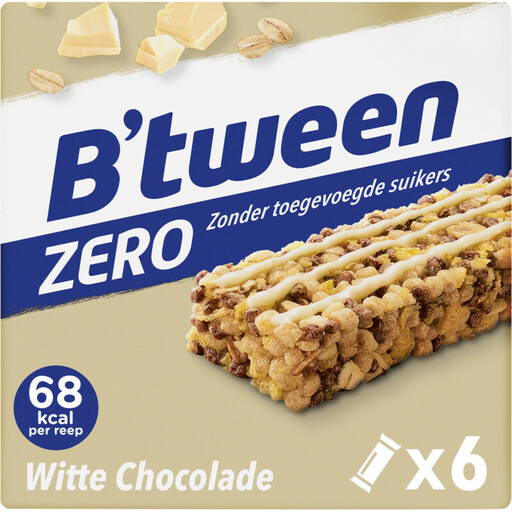
Why this fits the profile: Individually wrapped bars are easy to take to work, school or on the go. The product information states 68 kcal per bar and no added sugars.
The portion-sized packaging makes comparison easier. Do check the polyols and allergens before ordering.
120 grams total, individually wrapped and, according to the label, with no added sugars. Contains oats, white chocolate and peanuts, among other ingredients.
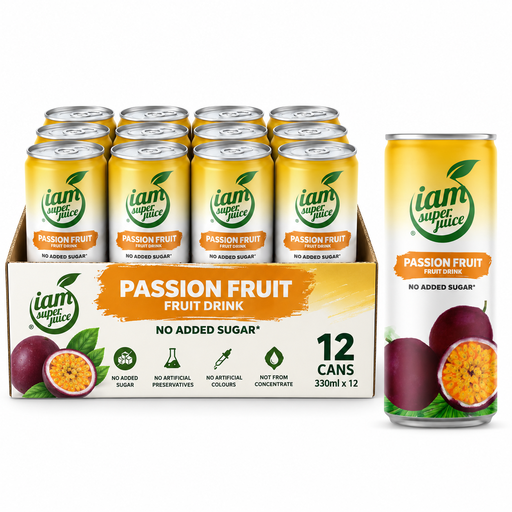
Why this fits the profile: For anyone after a bold tropical flavour in a steady supply for home, work or mealtimes.
The product page clearly states 30% passion fruit juice, 17 kcal per 100 ml and 12 cans of 330 ml. So the taste, quantity and energy content are all visible upfront.
12 × 330 ml, with no added sugar according to the product information, and suitable for serving chilled.
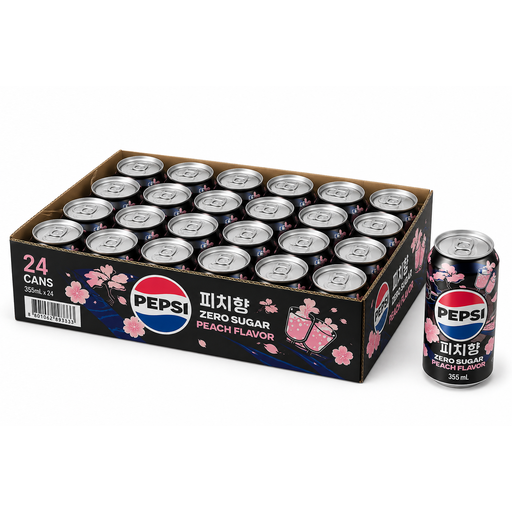
Why this fits the profile: A 24-pack suits regular drinking and fans of Asian sugar-free products with a distinctive peach flavour.
The nutritional information states 0 kcal, 0 grams of carbohydrates and 0 grams of sugar per 100 ml. The ingredients list does name the sweeteners used, including aspartame.
24 cans of 355 ml, 0 grams of sugar per 100 ml according to the product information, and best served chilled.
We’ve put together a full, up-to-date list of products that fully meet these strict selection criteria and comply with current European safety regulations.
No. Fruit, milk and other ingredients can naturally contain sugars. Check the nutritional information panel and see whether “sugars” are listed. “No added sugar” mainly describes what hasn’t been added during production.
Zero-sugar fizzy drinks with 0 grams of carbohydrates and 0 grams of sugar per 100 ml fit within a low-carb diet, according to the label. A tropical fruit drink without sugar, on the other hand, may contain natural sugars and more calories. So compare per 100 ml and pay attention to the full ingredients list.
That varies from person to person and product to product. Polyols such as maltitol, erythritol and xylitol can have a laxative effect if consumed in excess. So check the warning on the pack, stick to the recommended portion and introduce them gradually.
