If you’re looking for genuinely sugar-free mouse-shaped sweets for a Christmas market, check the claim and the sugars per 100 g on the current packaging before buying. ‘No added sugars’ does not automatically mean ‘sugar-free’. De Ruijter Feestmuisjes are sugared anise sprinkles, so they don’t meet that requirement. If the mouse shape isn’t essential, you could consider other sweets, but check their labels first too.
Which option is right for you?
A Christmas market stall with a strict sugar-free requirement
You’re looking for mouse-shaped sweets to hand out and want to be able to verify the sugar claim. Check the current packaging and nutritional information per 100 g, not just the product name.
A fan of traditional anise mice
You want to sprinkle mice over crispbread, yoghurt or cakes for a festive breakfast. According to Albert Heijn, De Ruijter Feestmuisjes are sugared aniseed; they’re not a sugar-free option.
A supermarket shopper who’s flexible about the shape
You want to buy a treat from a supermarket and don’t mind giving up the mouse shape. As well as traditional mice, there are other types of sweets labelled sugar-free; check the current nutritional information for each product.
What should you consider when buying?
First decide whether sugar-free is a must and whether you want sweets to hand out or anise mice to sprinkle. Then check where you can buy the product you’ve chosen.
| What to consider |
What to check when buying |
Who it matters to |
| Sugar-free claim |
Read the claim and check the sugars per 100 g on the current packaging. Under European Union Regulation (EC) No 1924/2006, foods can be labelled ‘sugar-free’ if they contain no more than 0.5 g of sugars per 100 g or 100 ml. |
If I only want to hand out a product with a verifiable sugar-free claim, the packaging is the deciding factor. Around 50% of consumers put this first. |
| Shape and use |
Choose between soft sweets to hand out and sprinkle-on anise mice for crispbread, yoghurt or cakes. |
For a stall, I want sweets I can hand out; for a Christmas breakfast, I’m looking for a topping to sprinkle. How the product is used is the top priority for around 30% of consumers. |
| Availability |
Check the shop’s current range and product information. Decide whether a different type of sweet would also work. |
I want to buy my treat from a familiar supermarket and can choose something without a mouse shape if necessary. For around 20% of consumers, that convenience is what makes the difference. |
What should you watch out for?
-
Assuming anise mice and mouse-shaped sweets are the same product
De Ruijter Feestmuisjes are sugared aniseed for sprinkling. The Joris variety sold as ‘Suikervrije Muisjes Souris’ is described as soft sweets, so it’s intended for a different use.
First decide whether you need a topping or sweets to hand out. Then check the ingredients for that exact variety.
-
Assuming ‘no added sugars’ means ‘sugar-free’
These are different claims. Under EU Regulation (EC) No 1924/2006, the ‘sugar-free’ claim means a product can contain no more than 0.5 g of sugars per 100 g or 100 ml.
Compare the claim with the nutritional information per 100 g on the current packaging, and check the ingredients and any warnings too.
-
Assuming a supermarket sells products that meet both requirements
A range that includes traditional mice as well as other sugar-free sweets doesn’t confirm that sugar-free mice are also available.
Check the exact product variety before you go to the shop. If the mouse shape isn’t essential, look at other types of sweets too.
Brands to consider
De Ruijter
De Ruijter Feestmuisjes are traditional sugared aniseed sprinkles for toppings and decoration.
- Albert Heijn suggests using Feestmuisjes on crispbread, bread, yoghurt and cupcakes.
- According to Albert Heijn’s product information, sugar is first on the ingredients list and the product contains 79 g of sugars per 100 g. It also contains wheat.
Suikerbakkerij Joris
The Suikervrije Muisjes Souris variety is sold by retailer Lekker Droppie as a soft, mouse-shaped sweet.
- The mouse shape makes it suitable as a treat to hand out, rather than as an anise topping to sprinkle.
- Before buying, check the ingredients, sugars per 100 g, allergens and any sweetener warnings for this specific variety. The name alone doesn’t confirm the sugar-free claim.
Joybuy: a sweet alternative without the mouse shape
These liquorice hearts are worth considering if you’re looking for sweets for a Christmas market and don’t need them to be mouse-shaped. They’re not a substitute for traditional anise mice; if sugar-free is a must for you, check the current product information.
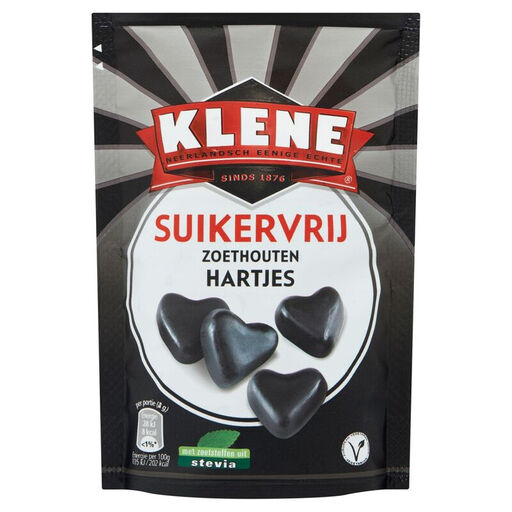 Image unavailable
Klene Sugarfree Liquorice Hearts, 110 g
An alternative if you want to offer liquorice at your Christmas market and aren’t set on the mouse shape.
110 g pack. Before handing them out, check the sugars per 100 g, ingredients and warnings on the current packaging; the product information warns that excessive consumption may have a laxative effect.
View at Joybuy
Frequently asked questions
When can mice or sweets be labelled ‘sugar-free’?
Under European Union Regulation (EC) No 1924/2006, foods can carry the ‘sugar-free’ claim if they contain no more than 0.5 g of sugars per 100 g or 100 ml. Check the claim and nutritional information on the current packaging of the variety you’re buying.
Does ‘no added sugars’ mean the same as ‘sugar-free’?
No. ‘No added sugars’ doesn’t confirm that the total sugar content is below the threshold for the ‘sugar-free’ claim. So check the sugars per 100 g or 100 ml on the label.
Are De Ruijter Feestmuisjes sugar-free?
No. According to Albert Heijn’s product information, sugar is the first ingredient in De Ruijter Feestmuisjes, and they contain 79 g of sugars per 100 g. They’re intended as sugared anise sprinkles and decoration, not as sugar-free sweets to hand out.
What should I check when buying sugar-free mouse-shaped sweets online?
Before buying, check the ingredients, nutritional information per 100 g, allergens and any sweetener warnings for the exact variety. For the Joris variety sold as Suikervrije Muisjes Souris, the product name alone doesn’t prove that its ingredients meet your requirements.


