
Vandaag of morgen in huis

Kwaliteit gegarandeerd

Welkomstaanbiedingen ontgrendelen: GRATIS bezorging | Tot 80% korting | Gratis 30 dagen JoyPlus-proefperiode
Download de app
For many, licorice is more than just candy; it's a cultural staple. But what if you want to enjoy that familiar taste without the sugar? The shelves are full of sugar-free licorice, but not all options are created equal. The wrong choice often leads to disappointment: a bland taste, an unexpected laxative effect, or a product that simply doesn't meet your expectations.
Before you add a bag to your cart, it's wise to understand the most common pitfalls. This will help you avoid wasting money on licorice that ends up in the bin.
salty sugar-free licorice you expect. The intensity depends on the amount of salmiak salt, something that isn't always clearly communicated.To find the right licorice without sugar, it helps to know which specifications truly make a difference. Pay attention to the following three points on the packaging.
The choice of sweetener is crucial for the flavour and how your body reacts to it. This is especially important for people looking for candy for diabetics.
throat lozenges and salmiak candies. The same rule applies here: enjoy in moderation.The flavour of licorice is determined by the balance between licorice root extract and salmiak salt.
The texture defines the entire eating experience. The ingredients list provides important clues.
Klene sugar-free and Oldtimers often use this for an authentic texture.To help you get started, we've matched a few products to specific preferences.
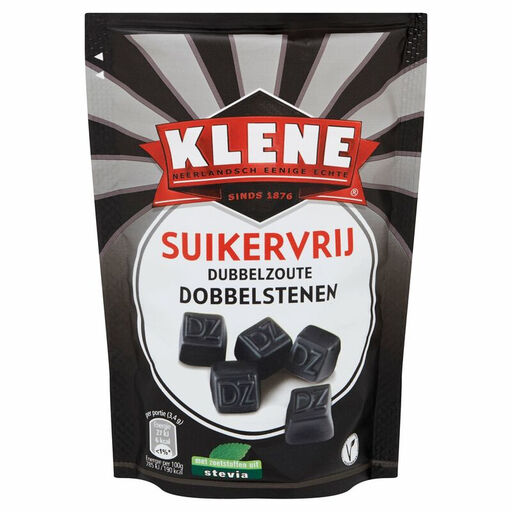
Why This Fits Their Persona: This person is looking for an uncompromisingly salty licorice flavour. Klene's double salted dices are specially developed for those who want a strong salmiak kick, without the sugar.
This product avoids the pitfall of vague flavour descriptions. The name "Double Salted" and the presence of ammonium chloride in the ingredients list guarantee an authentic, powerful salty taste.
Made with gum arabic for a firm, traditional texture. The resealable packaging keeps the licorice fresh.
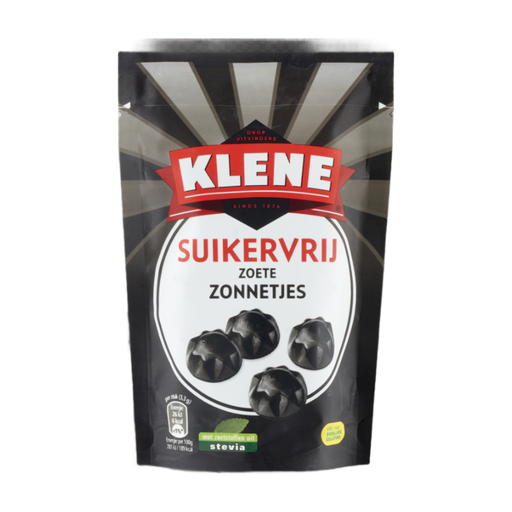
Why This Fits Their Persona: For those who crave a sweet treat without sugar but are mindful of their calorie intake. This `sweet sugar-free licorice` offers a full, sweet flavour that satisfies cravings.
This product tackles the "calorie-free myth" by using a combination of maltitol syrup and steviol glycosides. This provides a sweet taste, while the nutrition label clearly states the polyols and calories (189 kcal per 100g).
Full, sweet licorice flavour without the aftertaste that some sweeteners can have. The addition of stevia helps to limit the amount of maltitol.
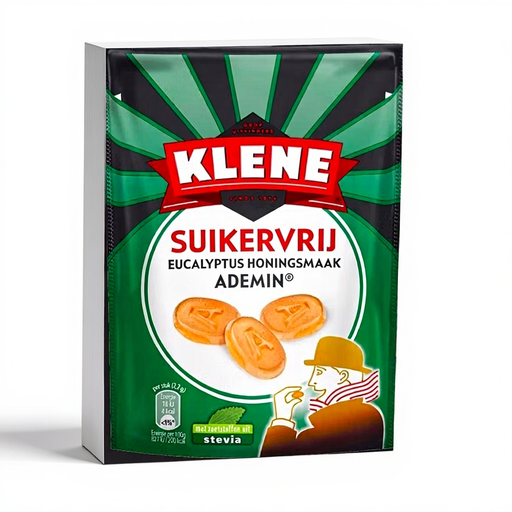
Why This Fits Their Persona: Ideal for those looking for a `throat lozenge` that has a refreshing and soothing effect. The combination of eucalyptus and a hint of honey flavour offers a pleasant taste that refreshes the throat.
This is not a generic licorice, but a functional lozenge. The addition of natural mint flavour and other natural flavours provides a targeted, refreshing effect, rather than just a sweet or salty taste.
According to the manufacturer Klene, Ademin provides a wonderfully fresh taste. The lozenges are sugar-free and convenient for at home or on the go.
We have compiled a complete, up-to-date list of products that meet these selection criteria and current guidelines.
This effect is caused by polyols, such as maltitol and sorbitol. The body cannot fully digest these sugar alcohols. When you eat a large amount, they draw water into the intestines, which can lead to a laxative effect. Sensitivity to this varies from person to person. Most packages include the warning "excessive consumption may have a laxative effect".
Sugar-free licorice can be an alternative for people with diabetes because it has little to no effect on blood sugar levels compared to licorice with sugar. Sweeteners like stevia have no effect, while polyols have a limited effect. However, it is still low-calorie licorice, not calorie-free licorice. It is always wise to check the nutrition label and consult a doctor or dietitian if you have doubts or medical questions.
You can identify a truly salty licorice by its ingredients list. Check if salmiak salt or ammonium chloride is high on the list. Terms like "double salt" or "extra salt" are also a good indication. Don't be guided solely by the name on the front; check the ingredients for a reliable picture of the flavour intensity.
