If you’re having coffee with friends, choose a classic kano pastry if the filled pastry matters more than a sugar-free option: Albert Heijn lists 37 g of sugars per 100 g for AH Kano's roomboter, while Jumbo lists 36.8 g per 100 g for its kano pastries with butter. If your guests would rather have a biscuit with very little sugar listed, the Céréal biscuits covered here are a different kind of treat; check the sweeteners, allergens and warnings on the packaging. Verkade San Francisco Zero also shows that ‘no added sugars’ does not mean 0 g of sugars: the brand lists 1.7 g per 100 g.
Which option is right for you?
People looking to strictly limit their sugar intake
If you’re looking for a biscuit for yourself or your guests with virtually no sugars listed, check the nutritional information per 100 g rather than going by its shape. The Albert Heijn and Jumbo kano pastries in this comparison don’t meet that requirement.
People organising a coffee spread
If you mainly want to serve a familiar, filled pastry and it doesn’t have to be sugar-free, a classic kano is a good fit. Check the allergens for your guests, and decide how many pastries you want to serve.
People looking to avoid added sugar
If the biscuit doesn’t need to contain 0 g of total sugars, compare the packaging claim with the ‘of which sugars’ figure in the nutrition table. Verkade San Francisco Zero is a biscuit with no added sugars, not a filled kano pastry.
What should you look for when choosing?
First decide whether you want to serve a filled kano pastry or whether another kind of biscuit will do. Then you can compare the sugar information and other details on the label.
Classic kano pastry
Choose this if: almond paste and a familiar filled pastry are your priorities.
The trade-off: the Albert Heijn and Jumbo kano pastries in this comparison aren’t sugar-free.
Biscuit with no sugars
Choose this if: the amount of sugars listed matters more to you than a kano shape or filling.
The trade-off: the Céréal varieties covered here are different types of biscuit, contain maltitol and carry a warning about excessive consumption.
Biscuit with no added sugars
Choose this if: you want to avoid added sugar, but don’t need the total sugars to be 0 g.
The trade-off: Verkade San Francisco Zero isn’t a filled kano pastry and still lists 1.7 g of sugars per 100 g.
| What to consider |
What to check before buying |
Who it matters to |
| Sugars listed |
Compare the ‘of which sugars’ figures per 100 g on the packaging of similar biscuits. Albert Heijn lists 0 g of sugars per 100 g for Céréal Chocolate chip cookie and 0.4 g for Céréal Speculoos met amandel. |
If I want as little sugar listed as possible for my guests, I won’t prioritise the shape of a kano pastry. For around 50% of consumers, this sugar limit is the most important factor. |
| Filled kano pastry |
Check whether you’re choosing a pastry filled with almond paste, and read the nutritional information too. Jumbo describes its kano as a butter pastry with almond paste and lists 36.8 g of sugars per 100 g. |
For my coffee spread, I specifically want to serve a familiar, filled kano pastry, even if it contains sugars. Around 30% of consumers prioritise this type of pastry. |
| Added sugar |
Read both the claim and the ‘of which sugars’ figure per 100 g. Verkade describes San Francisco Zero as a biscuit with no added sugars and lists 1.7 g of sugars per 100 g. |
I want to avoid added sugar, but I don’t need to choose a product with 0 g of total sugars or a kano pastry. For around 20% of consumers, this distinction takes priority. |
Common mistakes when choosing biscuits for coffee
-
Assuming a classic kano pastry is a sugar-free alternative
According to their product information, the Albert Heijn and Jumbo kano pastries in this comparison contain 37 g and 36.8 g of sugars per 100 g respectively. Their familiar shape doesn’t mean they’re suitable as a sugar-free option.
Decide whether the filled kano pastry itself is important to you. If the sugar information is the deciding factor, compare other types of biscuit too.
-
Reading ‘no added sugars’ as ‘0 g sugars’
The claim refers to what has been added, while the nutrition table lists the total sugars. Verkade San Francisco Zero carries the claim but contains 1.7 g of sugars per 100 g.
Read the claim alongside the nutrition table; the Netherlands Nutrition Centre recommends comparing products per 100 g.
-
Checking sweeteners and allergens only after buying
The Céréal biscuits covered here contain maltitol. According to the product information at Albert Heijn, excessive consumption may have a laxative effect; allergens vary between varieties.
Before serving, check the current ingredients, allergen information and any warnings on each pack separately.
Brands and product ranges to consider
Jumbo
Jumbo Kano's met Roomboter are an example of a classic filled pastry to enjoy with coffee.
- Jumbo describes the pastry as a butter pastry with almond paste and provides nutritional information per 100 g.
- With 36.8 g of sugars per 100 g, this product isn’t a sugar-free option.
Céréal
Chocolate chip cookie and Speculoos met amandel are biscuit alternatives for anyone keeping an eye on the sugars listed; they aren’t kano pastries.
- Albert Heijn lists 0 g and 0.4 g of sugars per 100 g respectively for these varieties.
- Both varieties contain maltitol; check the warning about excessive consumption and the allergens on each pack.
Verkade
San Francisco Zero is a biscuit with no added sugars for anyone who isn’t looking for a filled kano pastry.
- Verkade provides nutritional information per 100 g, so you can read the sugar information alongside the claim.
- The biscuit lists 1.7 g of sugars per 100 g and contains wheat, milk and soya, among other ingredients.
An alternative on Joybuy
This product is described as a sugar-free biscuit in its name. Before serving it with coffee, check that the product type and packaging information match what you’re looking for.
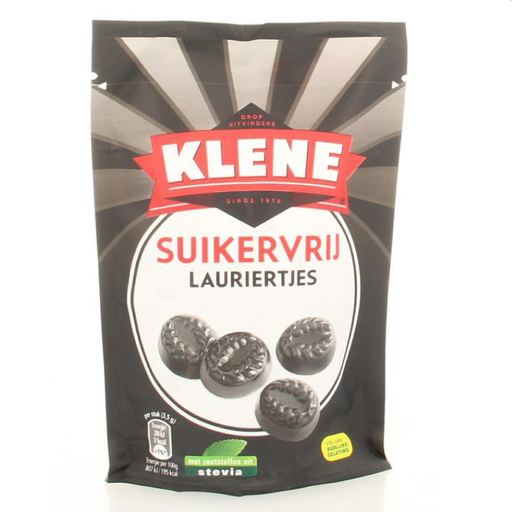 Image unavailable
Klene Sugar-Free Lavender Biscuits 110 g
If you’re looking for something other than a filled kano pastry to enjoy with coffee, this is only a suitable option if the product really is the biscuit named in the product title.
The product name states 110 g, but the description also mentions liquorice with mint and bay leaf flavours. Check the product type on the packaging, and if you’re comparing sugar content, check which measurement basis the nutritional information uses.
View on Joybuy
Frequently asked questions
Are traditional kano pastries sugar-free?
The Albert Heijn and Jumbo kano pastries in this comparison aren’t: AH Kano's roomboter lists 37 g of sugars per 100 g, while Jumbo Kano's met Roomboter lists 36.8 g per 100 g. For any other product, always check its own packaging rather than assuming these figures apply to all kano pastries.
Does ‘no added sugars’ mean a biscuit contains 0 g of sugars?
No. Verkade San Francisco Zero carries this claim but lists 1.7 g of sugars per 100 g. Always check the ‘of which sugars’ figure in the nutrition table as well as the claim.
How can I compare biscuits for guests who are watching their sugar intake?
Compare the sugars listed per 100 g for similar biscuits; this is also the comparison basis recommended by the Netherlands Nutrition Centre. Then check the ingredients and any warnings: the Céréal biscuits covered here contain maltitol and warn of a possible laxative effect if consumed excessively.
Should I check allergens separately for biscuit alternatives?
Yes. Check the allergens on the current packaging of each product before serving the biscuits. The Céréal varieties covered here differ from one another; a low sugar figure doesn’t tell you which allergens a biscuit contains.


