What should you look for when choosing?
First, decide whether sugar-free is a strict requirement. If a regular kano pastry will do, you can then compare similar packs by their nutritional information, quantity and ingredients.
| What to consider |
What to check when buying |
Who it matters to |
| Genuinely sugar-free |
Check the exact claim and the ‘of which sugars’ value per 100 g. GezondEten.nl defines sugar-free as a maximum of 0.5 g of sugars per 100 g. |
If sugar-free is a strict requirement for me, I don’t want to rely on a less sweet taste or just the front of the pack. For around 33% of consumers, this is the top priority. |
| Comparing regular kano pastries |
Compare the sugars per 100 g for the same type of product, and check the serving size too. Jumbo lists 36.8 g of sugars per 100 g for its butter kano pastries, while PLUS lists 37.6 g per 100 g for Aviateur Kano pastries. |
If I still want to serve kano pastries, I want to compare the nutritional values of different varieties on a like-for-like basis, without calling them sugar-free. Around 27% of consumers put this comparison first. |
| How much you need for the party |
Check the pack weight, how much you need and the storage instructions on the packaging. |
For a party table, I want to put out enough without relying solely on a product photo or name. This is the main priority for around 20% of consumers. |
| Ingredients and allergens |
Read the ingredients, allergens and any ‘may contain’ warnings on the exact pack. |
If I’m buying for guests with an allergy, I need to know which ingredients and warnings apply to this variety before serving it. This is the main concern for around 20% of consumers. |
An alternative at Joybuy
This product is for anyone who wants to consider a treat outside the traditional kano pastry category too. Check the sugar claim on the packaging separately from whether the product suits your King's Day table.
 No image available
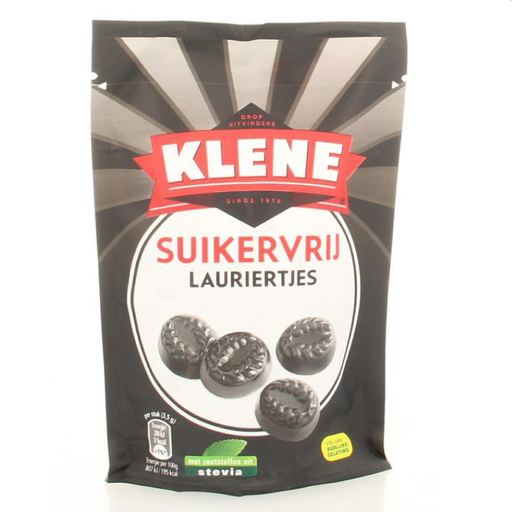
Klene Sugar-Free Lavender, 110 g
An option if you’re not specifically looking for a traditional kano pastry. The product name includes ‘Sugar-Free’; check the claim and the sugars per 100 g on the packaging. The stated pack weight is 110 g.
View at Joybuy
Frequently asked questions
Does ‘no added sugars’ also mean ‘sugar-free’?
No, these claims aren’t interchangeable: a product with no added sugars may still contain sugars. GezondEten.nl defines ‘sugar-free’ as a maximum of 0.5 g of sugars per 100 g, so always check the exact claim and the nutritional information.
Are Jumbo Butter Kano pastries sugar-free?
No, Jumbo lists 36.8 g of sugars per 100 g for these kano pastries. That’s above the maximum of 0.5 g per 100 g that GezondEten.nl gives for the ‘sugar-free’ claim.
Which allergens should I check in kano pastries?
Check the allergens for the exact variety: product information from Jumbo and PLUS lists wheat, milk, soya and almond among the ingredients in the kano pastries mentioned. Also look for information about egg, other nuts and any ‘may contain’ warnings on the pack.
How should I store kano pastries until King's Day?
Follow the storage instructions on the pack you buy. Product information from Jumbo and PLUS says to store the kano pastries mentioned in a cool, dry place; also check the use-by date before serving.
Does the Nutri-Score show whether a kano pastry is sugar-free?
No, don’t use the Nutri-Score as a substitute for the sugar-free claim or the nutrition table. PLUS gives its Butter Kano pastries a Nutri-Score of E; check the ‘of which sugars’ value per 100 g separately to see how much sugar they contain.


