If sugar-free is a must, don’t choose a standard kano cake. Jumbo, Albert Heijn and Gulden Krakeling list 36.8 to 39 g of sugars per 100 g for the kano cakes mentioned here, while the European threshold for a ‘sugar-free’ claim is no more than 0.5 g per 100 g. If you’re mainly after a sweet treat for the autumn half-term, consider the portion size, ingredients and allergens. For a strictly sugar-free snack, look beyond these standard options.
Who is this choice relevant to?
Shoppers with a strict sugar-free requirement
You’re looking for a snack that meets the European threshold for a ‘sugar-free’ claim. Based on their stated sugar content, the standard kano cakes mentioned here from Jumbo, Albert Heijn and Gulden Krakeling don’t qualify.
Parents looking for a snack for the school holidays
You want to distinguish between a sweet treat and something you offer more regularly as a snack. The Netherlands Nutrition Centre gives fruit and vegetables as examples of snacks for children.
Families sharing kano cakes as a treat
You’re choosing a filled cake and don’t need it to be sugar-free. In that case, it’s worth checking the portion size, ingredients and allergens on the pack before you buy.
What should you look for when choosing?
First, decide whether sugar-free is an absolute requirement. Then distinguish between a snack you plan to offer regularly and an occasional treat.
| What to consider |
What to check before buying |
Who it matters to |
| Truly sugar-free |
Check the ‘of which sugars’ value per 100 g. Under European rules, a product carrying a ‘sugar-free’ claim may contain no more than 0.5 g of sugars per 100 g. |
If I’m specifically looking for a sugar-free snack, a small biscuit still isn’t a suitable alternative. For around 50% of consumers, the sugar-free requirement comes first. |
| Snack or treat |
Check the nutritional information per 100 g and per portion, and decide how often you plan to offer the snack. The Netherlands Nutrition Centre gives fruit and vegetables as examples of snacks for children. |
If I’m offering something more often during the holidays, I don’t want to judge it just by the size of the biscuit. Around 33% of consumers give the most consideration to choosing a snack to eat more regularly. |
| Allergens and portions |
Check the latest ingredients and allergen information for the variety you’ve chosen. If you’re sharing, also check how many portions are in the pack. |
When we share kano cakes as a treat, I want to know what’s in them and how much everyone will get. For around 17% of consumers, these considerations when choosing a treat come first. |
Common mistakes
-
Assuming a small kano cake is sugar-free
The portion size doesn’t change how a ‘sugar-free’ claim is assessed per 100 g. The kano cakes mentioned from Jumbo, Albert Heijn and Gulden Krakeling contain 36.8 to 39 g of sugars per 100 g.
If you have a strict sugar-free requirement, compare the sugar content per 100 g with the European limit of no more than 0.5 g per 100 g.
-
Relying on the product name alone
Ingredients and allergens vary between kano cakes. The product information for the Jumbo and Albert Heijn varieties discussed here lists ingredients including wheat, milk, soya and nuts.
If you have an allergy or intolerance, check the information on the latest packaging of the exact variety you’re buying.
-
Choosing a treat as an everyday snack
Choosing a kano cake for its taste is different from looking for a snack to offer more regularly. The Netherlands Nutrition Centre gives fruit and vegetables as examples of snacks for children.
Decide in advance what role the snack will play: an occasional sweet treat or something to enjoy more often during the holidays.
Brands compared
Jumbo
Jumbo butter-filled kano cakes are a standard filled biscuit, not a sugar-free option.
- Jumbo lists five 55 g portions in this 275 g pack.
- The stated value is 36.8 g of sugars per 100 g. Check the allergens on the latest packaging before buying, too.
Albert Heijn
AH BASIC kano cakes are an example of a standard filled kano cake, not a sugar-free alternative.
- The product information lists the ingredients and allergens.
- Albert Heijn lists 38 g of sugars per 100 g for this variety. Check the latest packaging if you buy these kano cakes.
Gulden Krakeling
Speculaas kano cakes are a spiced biscuit variety with almond paste filling, not a sugar-free option.
- The product information at Albert Heijn describes the speculaas variety and its filling.
- Albert Heijn lists 39 g of sugars per 100 g and names wheat, soya, almonds and egg among the allergens.
Sondey
Lidl describes Sondey kano cakes as butter biscuits filled with almond paste.
- The pack listed contains 325 g.
- Check the nutritional information and allergens on the packaging before deciding whether this variety meets your requirements.
Aviateur
Aviateur filled kano cakes are an example of a standard filled kano cake.
- Jumbo lists the sugar content per portion and per 100 g for this variety.
- At 38.0 g of sugars per 100 g, this variety doesn’t meet the threshold for a ‘sugar-free’ claim.
Joybuy products outside the kano cake category
If you’re considering a different sweet snack for the autumn half-term, you could take a look at this konjac jelly and ginger sweet. Neither is a kano cake, so if you need a strictly sugar-free option, check the nutritional information per 100 g on the latest packaging.
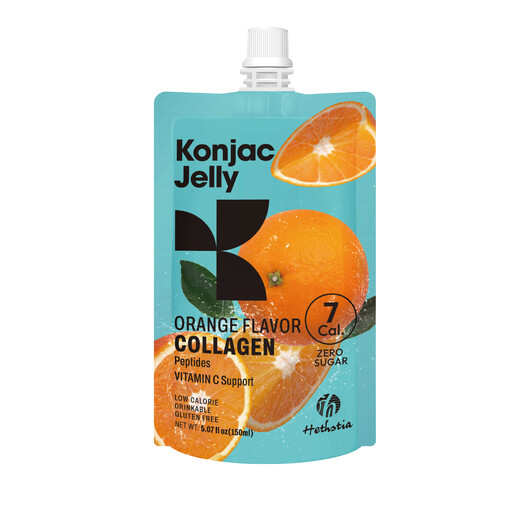 Image unavailable
Hethstia Konjac Jelly Collagen Peptides Orange 155 g
A konjac jelly to consider if you’re looking for a snack outside the kano cake category. The product name gives the weight as 155 g; check the sugar content per 100 g, ingredients and allergens on the latest packaging before choosing.
View at Joybuy
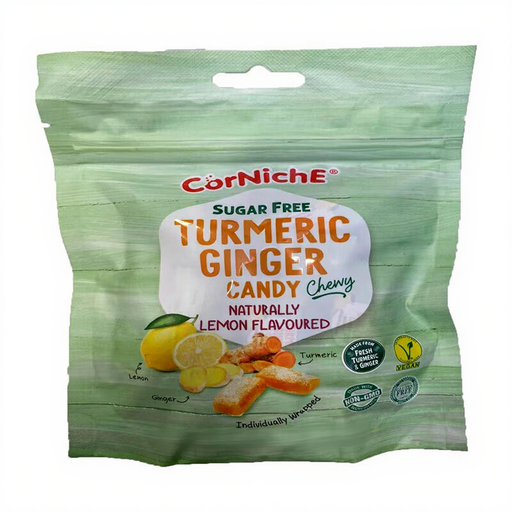 Image unavailable
Corniche Sugar Free Ginger Fudge Lemon 100 g
Lemon-flavoured ginger sweets for anyone considering a sweet treat outside the kano cake category. The product name gives the weight as 100 g; check the ‘Sugar Free’ claim against the sugar content per 100 g on the latest packaging, and read the allergen information.
View at Joybuy
Frequently asked questions
When can a snack be called ‘sugar-free’?
Under European rules on nutrition claims, a product labelled ‘sugar-free’ may contain no more than 0.5 g of sugars per 100 g, or per 100 ml for a drink. Check the nutritional information per 100 g or 100 ml, rather than just the value per portion.
Are the standard kano cakes mentioned here sugar-free?
No. Jumbo lists 36.8 g of sugars per 100 g for its butter-filled kano cakes, Albert Heijn lists 38 g for AH BASIC kano cakes, and Gulden Krakeling speculaas kano cakes contain 39 g. These values are above the European threshold for a ‘sugar-free’ claim.
What should I choose if I want to offer children a snack more regularly?
Distinguish between a sweet treat and a snack for more regular occasions. The Netherlands Nutrition Centre gives fruit and vegetables as examples of snacks for children; a kano cake isn’t a sugar-free alternative.
Which allergens should I check in kano cakes?
It depends on the variety. The product information for the Jumbo and AH kano cakes discussed here lists ingredients including wheat, milk, soya and nuts. If you have an allergy or intolerance, always check the full information on the latest packaging.


