Who is this relevant for?

If you’re looking for something strictly sugar-free

You only want to choose something with your coffee that meets the ‘sugar-free’ claim. Based on their stated sugar content, the ordinary kano biscuits from Albert Heijn, Jumbo and PLUS do not meet this requirement.

If you want to compare ordinary kano biscuits

You fancy a traditional biscuit with your coffee or tea and want to factor the sugar content per biscuit into your choice. Compare products per 100 g first; the serving size on the pack can then help you work out what one snack amounts to.

If you’re checking for allergens

Before buying or sharing a kano biscuit, you want to know which ingredients and allergens matter to you or the people you’re with. Check the current packaging for the product you’ve chosen.

What should you look for when choosing?

Strictly sugar-free

Choose this if: the product must demonstrably meet the ‘sugar-free’ claim.

The trade-off: the kano biscuits from Albert Heijn, Jumbo and PLUS listed here aren’t suitable; a snack from another category may be a better match for your needs.

Ordinary kano biscuit

Choose this if: you specifically want a traditional biscuit with almond paste and being sugar-free isn’t essential.

The trade-off: a smaller serving doesn’t change the nutritional values per 100 g, so check both before choosing a biscuit.

What to consider What to check when buying Who it matters to
Strictly sugar-free Look for an explicit ‘sugar-free’ claim and check that the table lists no more than 0.5 g of sugars per 100 g, the limit under Regulation (EC) No 1924/2006. With my coffee, I want to choose something that really is sugar-free, not just something that seems less sweet. For around 50% of consumers, this verifiable requirement comes first.
Sugars and serving size Compare ordinary kano biscuits by their sugar content per 100 g, then check the weight of one biscuit or serving. If I have an ordinary kano biscuit, I want to know how much one biscuit adds to my snack. Around 30% of consumers pay most attention to this comparison.
Allergens and storage Read the current allergen information and storage advice on the pack, especially if you’re sharing the biscuits or have an opened pack left over. If others are eating with me or the pack will be opened again later, I want to know whether the ingredients and storage instructions are suitable. For around 20% of consumers, this is their main concern when buying.

Common mistakes

  • Reading ‘no added sugars’ as ‘sugar-free’

    These are different nutrition claims. Under Regulation (EC) No 1924/2006, ‘sugar-free’ can only be used when a product contains no more than 0.5 g of sugars per 100 g. A product with no added sugars may still contain sugars.

    If sugar-free is a must, check both the exact claim and the sugar content per 100 g.

  • Looking only at the serving size

    A smaller biscuit contains less of the product, but it doesn’t make a kano biscuit with a high sugar content per 100 g sugar-free. The Netherlands Nutrition Centre recommends comparing nutritional values per 100 g because serving sizes can vary.

    Compare the same quantity first, then use the serving size to assess your own snack.

  • Checking allergens only after buying

    For a kano biscuit made with butter and almond paste, the ingredients and allergens in the specific product matter, especially if you’re sharing it with others.

    Before buying, read the current allergen information on the pack, including any warnings about traces.

  • Assuming a kano biscuit is automatically sugar-free

    The fact that a supermarket sells kano biscuits tells you nothing in itself about the sugar content of the variety you choose.

    For products such as Sondey Kano’s and Heerlijck Banket Kano’s, check the nutritional values on the pack before considering them for a strict sugar-free choice.

Brands to consider

Albert Heijn

Albert Heijn lists 39 g of sugars per 100 g for AH Roomboter kano’s.

  • Use the product information to check the nutritional values and ingredients of the variety you’ve chosen.
  • At 39 g of sugars per 100 g, this butter variety does not meet the ‘sugar-free’ claim.

Jumbo

Jumbo lists Kano’s met Roomboter in a 275 g pack.

  • The product information includes nutritional values per 100 g, making it easy to compare with other kano biscuits.
  • Jumbo lists 36.8 g of sugars per 100 g, so this is not a sugar-free choice.

PLUS

PLUS lists Roomboter kano’s in a 275 g pack.

  • The nutritional values listed make it possible to compare products per 100 g.
  • According to PLUS, this variety contains 38.9 g of sugars per 100 g and does not meet the ‘sugar-free’ claim.

Sondey

Lidl Netherlands describes Sondey Kano’s as butter biscuits with almond paste in a 325 g pack.

  • The product type and pack weight help you identify the right variety.
  • Only base a sugar-free choice on the nutritional values on the pack, not on the product name.

Heerlijck Banket

ALDI Netherlands describes Heerlijck Banket Kano’s as assorted biscuits shaped like canoes, sold in a 330 g pack.

  • The product name and pack weight make the variety easy to identify.
  • Check the sugars per 100 g on the label before considering these kano biscuits sugar-free.

Other snacks on Joybuy

These products aren’t kano biscuits. They’re only worth considering if you’re open to another snack category with your coffee or tea. If you need something strictly sugar-free, always check the current nutritional values on the pack.
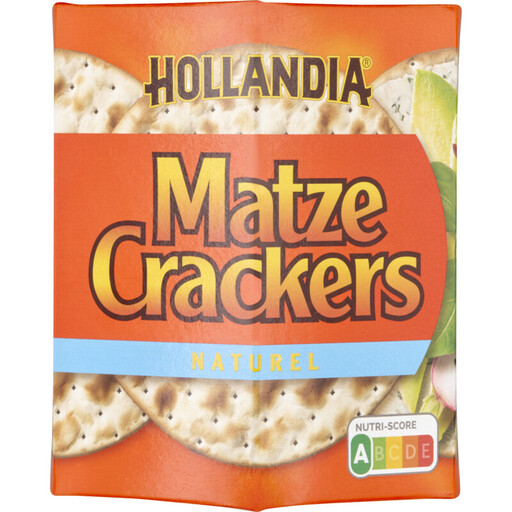
Hollandia Matzo Crackers Natural, 16 pieces

Hollandia Matzo Crackers Natural, 16 pieces

A matzo cracker to consider if a crunchy snack would work just as well as a kano biscuit. The product name states that there are 16 pieces; check the current nutritional values to make sure it meets your sugar-free requirements, and look out for wheat and gluten in the ingredients.

View on Joybuy
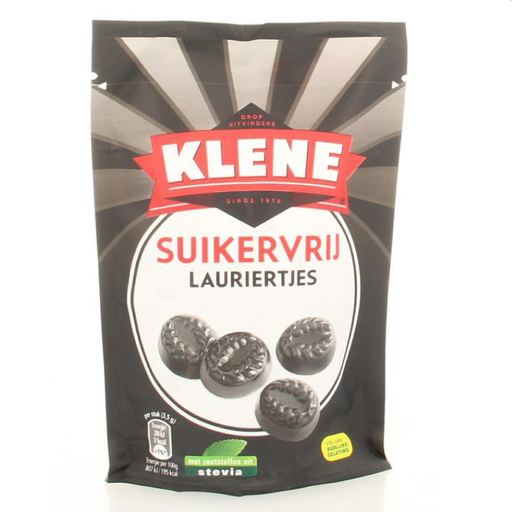
Klene Sugar-Free Lavender, 110 g

Klene Sugar-Free Lavender, 110 g

Only an alternative if you’re not specifically looking for a kano biscuit or another biscuit. The product name says biscuits, while the product description calls the item liquorice. So check the pack to see what you’re buying, and use the current nutritional values to assess whether it’s a sugar-free choice.

View on Joybuy

Frequently asked questions

When can a biscuit be called ‘sugar-free’?

Under Regulation (EC) No 1924/2006, the ‘sugar-free’ claim can be used if a product contains no more than 0.5 g of sugars per 100 g. ‘No added sugars’ is a different claim and doesn’t automatically mean a biscuit is sugar-free.

Are the kano biscuits listed from Albert Heijn, Jumbo and PLUS sugar-free?

No. Albert Heijn lists 39 g of sugars per 100 g for AH Roomboter kano’s, Jumbo lists 36.8 g for Kano’s met Roomboter, and PLUS lists 38.9 g for Roomboter kano’s. All of these varieties are above the limit of 0.5 g per 100 g for the ‘sugar-free’ claim.

How do I compare ordinary kano biscuits to have with coffee?

First compare the nutritional values per 100 g, then check the weight of one biscuit or serving. The Netherlands Nutrition Centre points out that manufacturers set their own serving sizes, so comparing serving values alone can give you a misleading picture.

Which allergens should I check in kano biscuits?

Before buying or sharing a kano biscuit, read the allergen information on the current pack. For the butter and almond paste varieties mentioned here, check for wheat or gluten, milk, egg, soya, and almonds or other nuts, and look out for any warnings about traces too.

How should I store an opened pack of kano biscuits?

Follow the storage advice on the pack you buy. Jumbo recommends storing its Kano’s met Roomboter in a cool, dry, dark place; Albert Heijn recommends keeping AH Roomboter kano’s in a sealed tin after opening.
