If you want to choose a genuinely sugar-free option for a festival, the standard kano biscuits discussed here aren’t suitable: Albert Heijn, Jumbo and Aviateur list 36.8 to 39 g of sugars per 100 g for their kano biscuits. According to the Netherlands Nutrition Centre, ‘sugar-free’ means no more than 0.5 g of sugars per 100 g. AH Digestive 0% suiker is below that, at 0.3 g, but it’s a digestive biscuit, not a kano. Verkade San Francisco Zero is another biscuit option with no added sugars, but at 1.7 g of sugars per 100 g, it isn’t sugar-free.
Who is this choice relevant to?
If you’re looking for a strictly sugar-free option
You want to check the amount of sugars per 100 g against the threshold the Netherlands Nutrition Centre gives for ‘sugar-free’. You’re happy to choose a suitable digestive biscuit instead, even though it’s a different product from a kano with almond paste filling.
If you want to avoid added sugars
For a festival snack, a biscuit with no added sugars is enough for you, even if it isn’t sugar-free. You also check the ingredients and consider how to carry and store the packet.
If you’re after a traditional kano
The shape and almond paste filling matter more to you than a sugar-free claim. You compare the sugars per 100 g and per biscuit, and check the allergens on the packaging.
What should you look for when choosing?
First decide whether ‘sugar-free’ is a strict requirement or whether you mainly want to avoid added sugars. If you specifically want to take a kano with you, compare the nutritional information and portion sizes of kano biscuits with each other rather than treating them as the same as other biscuits.
| What to consider |
What to check before buying |
Who it matters to |
| Genuinely sugar-free |
Check ‘of which sugars’ per 100 g. The Netherlands Nutrition Centre sets the limit for a ‘sugar-free’ claim at 0.5 g per 100 g; check the ingredients too. |
If sugar is the deciding factor for me, I’d rather choose a different kind of biscuit than a kano that doesn’t meet that requirement. Around 42% of consumers put being genuinely sugar-free first. |
| No added sugars |
Distinguish between ‘no added sugars’ and ‘sugar-free’, and check the total amount of sugars per 100 g. |
For a snack on the go, a biscuit with no added sugars is enough for me, even if it still contains sugars. Around 33% of consumers prioritise avoiding added sugars. |
| Traditional kano |
Compare the sugars per 100 g and per portion; also read the ingredients and allergen lists. |
I mainly want to take a kano with almond paste filling and assess the nutritional information within that product category. A traditional kano is the first choice for around 25% of consumers. |
Common mistakes
-
Assuming ‘no added sugars’ means ‘sugar-free’
Verkade lists 1.7 g of sugars per 100 g for San Francisco Zero. That’s above the 0.5 g per 100 g limit the Netherlands Nutrition Centre gives for ‘sugar-free’.
First check the ‘of which sugars’ line in the nutritional information, then look at the claim on the front of the pack.
-
Choosing a standard kano when you need a strictly sugar-free option
Albert Heijn, Jumbo and Aviateur list 36.8 to 39 g of sugars per 100 g for the kano biscuits discussed here. Their familiar shape and filling don’t make them interchangeable with a sugar-free biscuit.
Before buying, decide whether it’s the kano itself or the amount of sugars that will determine your choice.
-
Comparing only the amounts per biscuit
Albert Heijn gives a weight of 45 g per biscuit for its butter kano, while Jumbo gives 55 g per biscuit. This means the per-biscuit figures don’t refer to the same amount of biscuit.
Compare the nutritional values per 100 g first, then check the portion you want to take with you.
-
Overlooking the ingredients and allergens
The alternative biscuits discussed contain polyols, while the allergens listed vary between the traditional kano biscuits. Albert Heijn and Verkade warn that excessive consumption of their respective biscuits may have a laxative effect.
Check the current packaging for ingredients, allergens and usage warnings before choosing.
Brands and product ranges compared
Albert Heijn
Albert Heijn lists both a butter kano and a separate digestive biscuit called AH Digestive 0% suiker.
- According to Albert Heijn, the digestive contains 0.3 g of sugars per 100 g. It isn’t a kano and contains polyols.
- According to Albert Heijn, AH Roomboter kano’s contain 39 g of sugars per 100 g and have an almond paste filling.
Jumbo
Jumbo Kano’s met Roomboter are traditional kano biscuits with almond paste filling.
- Jumbo lists a 38% almond paste filling for these kano biscuits.
- Jumbo lists 36.8 g of sugars per 100 g and names almonds, eggs, gluten, milk and soya among the allergens.
Aviateur
The Aviateur Kano’s described by PLUS are kano biscuits with almond paste filling.
- PLUS lists a 46% almond paste filling for this product.
- PLUS lists 37.6 g of sugars per 100 g. Check the allergen information on the packaging too.
Verkade
San Francisco Zero is a biscuit for anyone looking for a product with no added sugars, not a kano.
- Verkade states that San Francisco Zero contains no added sugars.
- According to Verkade, the biscuit contains 1.7 g of sugars per 100 g and maltitol, so it isn’t sugar-free.
Sondey
Lidl describes Sondey Kano’s as butter biscuits with almond paste filling, sold in a 325 g pack.
- This is an option to consider if you’re specifically looking for a traditional kano.
- Check the pack’s label for the amount of sugars and the allergens before deciding.
A related snack on Joybuy
If you don’t need a kano, you could also consider a different kind of snack. This Joybuy product is a matzo cracker, not a kano or a biscuit; if you need a strictly sugar-free option, check the nutritional information on the packaging.
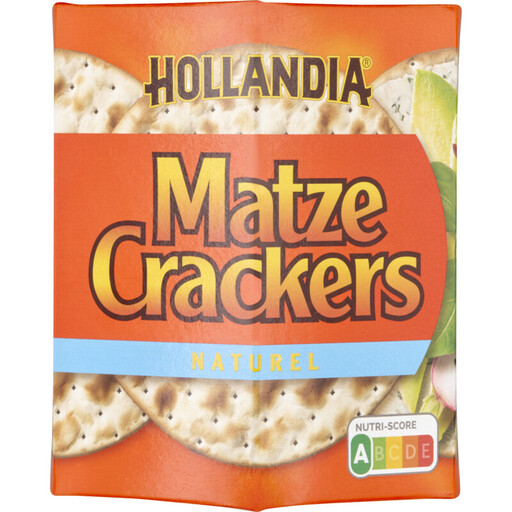 Image unavailable
Hollandia Matzo Crackers Natural
A matzo cracker is another snack option if you’re not specifically looking for a kano with almond paste filling. If being sugar-free is essential for you, check the sugars per 100 g on the latest label.
When buying, also check how many pieces are in the pack and, if you have allergies, read the full ingredients and may-contain information.
View on Joybuy
Frequently asked questions
Does ‘no added sugars’ mean the same as sugar-free?
No. According to the Netherlands Nutrition Centre, ‘sugar-free’ means no more than 0.5 g of sugars per 100 g or 100 ml. A product with no added sugars can still contain sugars, so check the nutritional information too.
Are standard kano biscuits a sugar-free festival snack?
Not the ones discussed here: Albert Heijn lists 39 g of sugars per 100 g for AH Roomboter kano’s, Jumbo lists 36.8 g for Kano’s met Roomboter, and PLUS lists 37.6 g for Aviateur Kano’s. Always check the label of any other product.
What if I want to avoid polyols?
Read the ingredients list of the biscuit you’re considering. Albert Heijn lists maltitol and isomalt in AH Digestive 0% suiker; Verkade lists maltitol in San Francisco Zero.
Which allergens should I check in kano biscuits and alternatives?
Check the full allergen information on the current packaging of the product you choose. The kano biscuits and other biscuits discussed list, among other things, wheat or cereals containing gluten, milk, soya, eggs and almonds, but the information varies by product.
How should I store biscuits for a festival day?
Follow the storage instructions on the packaging. The product information for the biscuits discussed says to store them in a cool, dry, dark place and, once opened, in a sealed tin or pack. Check the best-before date too.


