
If you’re looking for a sugar-free biscuit
The ‘sugar-free’ label matters more to you than the familiar kano shape or almond paste filling. As well as checking the label, look at the nutritional information and ingredients.


If sugar-free is a must, don’t automatically opt for a traditional kano: the Albert Heijn and Jumbo kanos reviewed list 39 g and 36.8 g of sugars per 100 g respectively. A biscuit labelled ‘sugar-free’ may go well with your coffee, but it won’t necessarily have the shape or almond paste filling of a kano. Compare the nutritional information, ingredients and allergens too.
The ‘sugar-free’ label matters more to you than the familiar kano shape or almond paste filling. As well as checking the label, look at the nutritional information and ingredients.
You’re mainly looking for a butter biscuit with almond paste to enjoy with your coffee, and don’t need it to be sugar-free. Compare the sugars per 100 g, the portion size and the allergens before choosing.
You want to know which allergens and sweeteners a product contains. For both kanos and alternative biscuits, check the latest ingredients list and the ‘contains’ and ‘may contain’ information.
First decide whether a sugar-free biscuit is essential for you, or whether the almond paste filling is what matters most. Then compare products on a like-for-like basis, per 100 g, and check the ingredients information.
| What to consider | What to check | Who it matters to |
|---|---|---|
| Sugars | Look for an explicit ‘sugar-free’ label and check the ‘of which sugars’ figure per 100 g. | If I don’t want regular sugars in my biscuit with coffee, that matters more than the kano shape. For around 42% of consumers, choosing a sugar-free biscuit comes first. |
| Almond paste and flavour | Check whether the product description says it is a butter biscuit with almond paste; also check the sugars per 100 g and per portion. | I specifically want a traditional kano with almond paste to have with my coffee, and I’m happy to accept that the varieties reviewed are not sugar-free. This is the most important factor for around 33% of consumers. |
| Ingredients and allergens | Check the ‘contains’ and ‘may contain’ information on the latest packaging, and see which sweeteners have been used. | If I need to avoid certain ingredients, I can’t base my choice on the amount of sugars alone. Ingredients and allergens are the first consideration for around 25% of consumers. |
The kanos described by Albert Heijn and Jumbo list 39 g and 36.8 g of sugars per 100 g respectively. The product type ‘kano’ doesn’t in itself mean that it is sugar-free.
Check the label on the packaging as well as the ‘of which sugars’ line in the nutritional information.
According to the Voedingscentrum, products with no added sugars may still contain naturally occurring sugars. The label also doesn’t tell you how much energy a product provides.
Compare sugars and any other relevant nutritional values per 100 g, and read the ingredients list.
The Céréal sugar-free biscuits described contain maltitols. The product information warns that excessive consumption may have a laxative effect; allergens are also important to check.
Before buying, read the latest warnings and the ‘contains’ and ‘may contain’ information.
Albert Heijn sells its own-brand kano with almond paste, as well as other types of biscuit labelled ‘sugar-free’.
Jumbo Butter Kanos are worth considering if you’re specifically looking for a butter biscuit with almond paste.
The Céréal chocolate chip and speculoos biscuits described are sold by Albert Heijn as ‘sugar-free’.
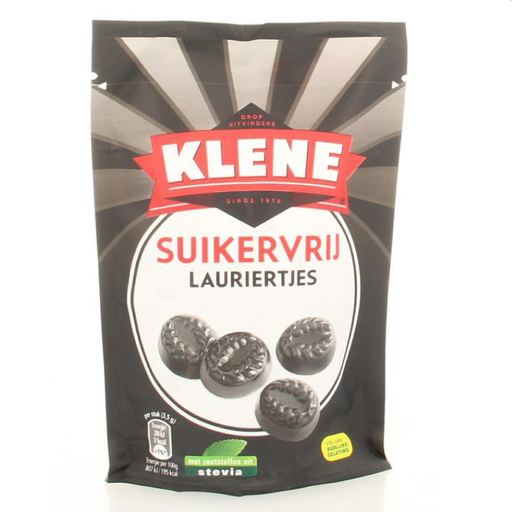
This product is labelled Sugar-Free and may be worth considering if you’re looking for something sweet to have with your coffee instead of a traditional kano. Check what type of product it is before buying.
 No image available
If you’re looking for something sweet and sugar-free to have with your coffee, the Sugar-Free label is a reason to check the nutritional information.
The pack contains 110 g. The title says biscuits, while the description also calls the product liquorice, so check the product type and texture before buying.
Also check the latest packaging for information about sweeteners and allergens.
The Albert Heijn and Jumbo kanos described are not: they list 39 g and 36.8 g of sugars per 100 g respectively. If you’re choosing a different kano, always check the latest nutritional information rather than relying on the product name.
No. According to the Voedingscentrum, products with no added sugars may still contain naturally occurring sugars. So check the ‘of which sugars’ figure per 100 g in the nutritional information.
As well as the sugar content, check the ingredients, sweeteners and allergen information. The Céréal biscuits described contain maltitols and carry a warning that excessive consumption may have a laxative effect.
Comparing products per 100 g makes differences between packs and portions easier to see. The Voedingscentrum recommends this basis for comparison; also check the size of one portion if that matters to your choice.