
Families with a strict sugar-free requirement
You want the product you choose to be labelled ‘sugar-free’ or ‘free from sugars’. If a kano biscuit doesn’t meet that requirement, another type of biscuit could be an option for you.


If you specifically want a kano biscuit with almond paste, choose a regular kano biscuit and check the sugar content on the label: the kano biscuits described here are not sugar-free. If sugar-free is a strict requirement, look for another product that makes this claim and check its nutritional information and ingredients. For a regular snack for children, the Netherlands Nutrition Centre also suggests fruit, vegetables and wholemeal bread.
You want the product you choose to be labelled ‘sugar-free’ or ‘free from sugars’. If a kano biscuit doesn’t meet that requirement, another type of biscuit could be an option for you.
You’re looking for biscuits with almond paste to share among several people. Pack weight, number of biscuits, ingredients and allergens all matter, even if sugar-free isn’t a strict requirement.
You’re looking for something for a regular morning or school break. For children aged 4 to 12, the Netherlands Nutrition Centre suggests snacks such as fruit and vegetables. A biscuit with less sugar isn’t automatically an equivalent choice.
The key question is whether you want to stick with a kano biscuit with almond paste, find a product labelled sugar-free or choose another regular snack.
A good fit if: you specifically want to serve a kano biscuit with almond paste and sugar-free isn’t a requirement.
The trade-off: the kano biscuits described here contain sugars, so they’re not a substitute for a sugar-free product.
A good fit if: you want to keep a biscuit break but are happy with a different type of biscuit instead of a kano.
The trade-off: the Céréal biscuits described here contain maltitols. Look out for the warning that excessive consumption may have a laxative effect.
A good fit if: you’re mainly looking for something for a regular morning or school break.
The trade-off: fruit, vegetables or wholemeal bread are different from a sweet kano biscuit. The Netherlands Nutrition Centre lists them as snacks for children aged 4 to 12.
| What to consider | What to check when buying | Especially relevant for |
|---|---|---|
| Sugar-free choice | Check the claim on the specific product and the ‘of which sugars’ figure per 100 g; a search term or product category isn’t enough. | I only want to bring something labelled sugar-free on the packaging, even if it isn’t a kano biscuit. This is the top priority for around 42% of consumers. |
| Portions for the family | Compare net weight, number of items and portion size. If you’re comparing different packs, check the ingredients too. | When several family members will be eating, I want to know how many portions a pack provides. For around 25% of consumers, this practical question comes first. |
| Regular snack | Decide whether you’re looking for a treat or something for regular use, then compare the type of product and its nutritional information. | For a regular morning snack, I want to consider more options than just biscuits. Around 33% of consumers give this everyday choice top priority. |
These are different claims. The Netherlands Food and Consumer Product Safety Authority stresses that a nutrition claim on a product must be accurate; the name of a search result doesn’t tell you enough about what’s inside.
Read the claim, ingredients and nutrition table on the packaging of the product you’re actually choosing.
The Céréal biscuits described here aren’t kano biscuits with almond paste. Conversely, PLUS states that its butter kano biscuits contain 38,9 g of sugars per 100 g.
Before comparing products, decide whether the kano shape and filling matter more to you than a sugar-free claim.
The Céréal biscuits described here contain maltitols. The Netherlands Nutrition Centre says that large amounts of polyols can cause digestive problems.
Check which sweeteners are in the product you choose, and read any warning about excessive consumption.
A sugar-free claim doesn’t answer the question of what you want to give as a regular snack. For children aged 4 to 12, the Netherlands Nutrition Centre also suggests fruit, vegetables and wholemeal bread.
Choose separately for a treat and for what you want to pack for an ordinary morning.
An option if you’re looking for biscuits labelled ‘without sugars’ rather than a kano biscuit.
A supermarket own brand to consider if you’re shopping for regular kano biscuits for the family.
A supermarket own brand for anyone specifically looking to compare butter kano biscuits with almond paste.
A regular kano biscuit with almond paste filling for anyone looking for the classic biscuit.
These products are alternatives to kano biscuits: sweets for a different sweet treat, crackers for breakfast or a snack, and a sesame snack. If you have a strict sugar-free requirement, always check the claim and nutritional information for the product you choose.
 No image available
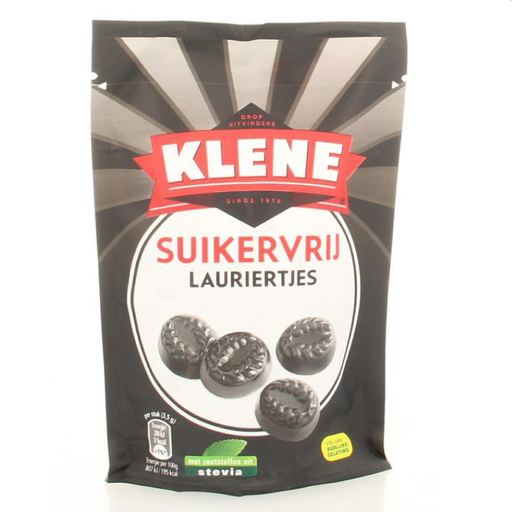
A sweet treat that isn’t a kano biscuit: the product description identifies this as liquorice, not a biscuit with almond paste. The pack contains 110 g. Before buying for several people, check the nutritional information, sweeteners and serving size.
 No image available
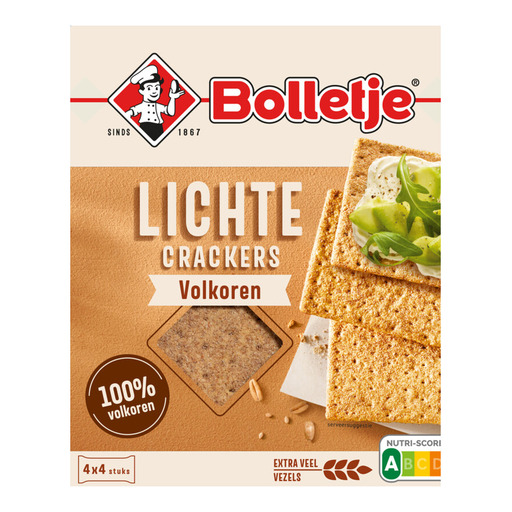
A cracker for anyone looking for something other than biscuits at breakfast or snack time. This isn’t a kano biscuit or a product labelled sugar-free. If you’re planning for the family, check the nutritional information and number of crackers on the pack.
 No image available
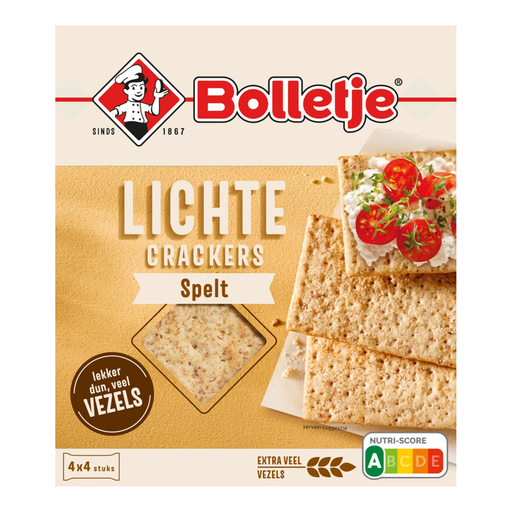
A spelt cracker for breakfast or snack time instead of a kano biscuit. The pack contains 190 g. If you’re shopping for the family, check the number of crackers and compare the nutritional information with the other options you’re considering.
 No image available
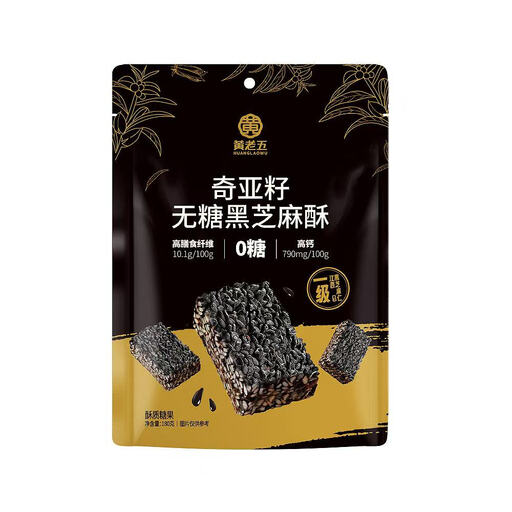
A sesame snack for anyone looking for an alternative to kano biscuits. The original product title uses ‘Sugar-Free’. If that’s a strict requirement for you, check the claim, ingredients and ‘of which sugars’ figure per 100 g on the packaging.
The regular kano biscuits described here aren’t: Joybuy lists 39,1 g of sugars per 100 g for G’woon Kano’s, while PLUS lists 38,9 g per 100 g for its butter kano biscuits. Assess any other product separately, using the claim and nutritional information on the current packaging.
As well as checking the product claim, check the ingredients, nutritional information and any warnings. The Céréal biscuits described here contain maltitols; according to the Netherlands Nutrition Centre, large amounts of polyols can cause digestive problems.
For children aged 4 to 12, the Netherlands Nutrition Centre suggests snacks such as vegetables, fruit and wholemeal bread. If you also want to give them biscuits now and then, assess those as a separate choice rather than relying only on a sugar-free label.
Look at the net weight, number of items and the portion you want to serve. Compare nutritional values on the same basis, such as per 100 g, and check the ingredients and allergens for the family members who’ll be eating them.