
Vandaag of morgen in huis

Kwaliteit gegarandeerd

Welkomstaanbiedingen ontgrendelen: GRATIS bezorging | Tot 80% korting | Gratis 30 dagen JoyPlus-proefperiode
Download de app
Looking for a refreshing drink, but without the sugar and calories? Sugar-free iced tea is a natural choice. However, the selection is vast, and not every bottle lives up to its promise. Common pitfalls include an unpleasant aftertaste or hidden calories. This guide will help you make the right choices, based on facts and product specifications.
Before you make a choice, it's good to be aware of a few common misconceptions. This will help you avoid a purchase you'll later regret.
sugar-free drinks use sweeteners that contain virtually no calories. Still, it's important to always check the label. The term "sugar-free" is legally protected, but the total calorie count can vary. Therefore, pay attention to the kcal per 100 ml.caffeine-free tea or a herbal infusion.To make a good choice, focus on a few objective criteria. These specifications determine the flavour, nutritional value, and ideal use case.
The taste of a low-calorie soft drink is largely determined by the sweeteners used. The most common are:
Lipton Ice Tea Zero varieties use this blend.unsweetened tea or herbal infusion naturally contains no sugar and requires no sweeteners. This is the purest option.Packaging isn't just a matter of convenience, but also of sustainability and use case.
Below are some popular choices, matched to different user profiles.
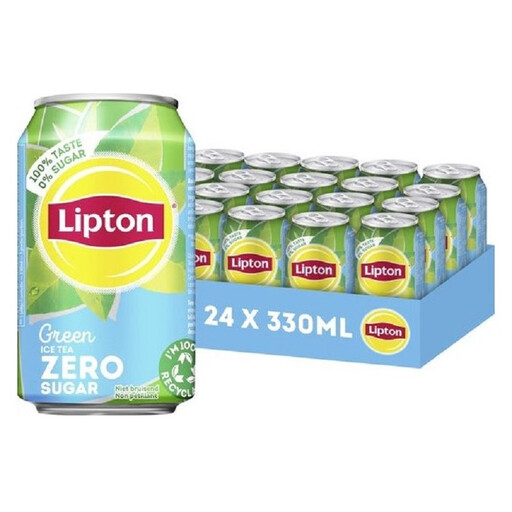
Why This Fits Their Persona: This bulk pack of 24 cans is ideal for those who always want a refreshing drink on hand. The cans are easy to take to work, the gym, or on the go.
With just 1 kcal per 100 ml and 0 grams of sugar, you know exactly what you're getting. The taste is consistent, and the sweeteners (stevia and sucralose) are chosen for a balanced profile.
Value pack to keep you well-stocked. Convenient size for individual use.
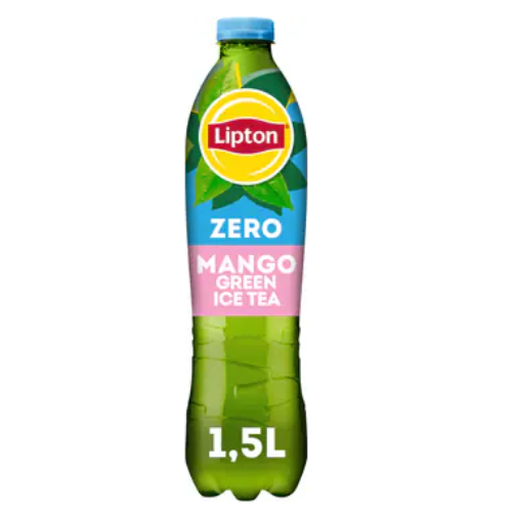
Why This Fits Their Persona: The large 1.5-litre bottle is perfect for home use, whether you're alone or with family. The tropical mango flavour offers a fun alternative to standard tastes.
This iced tea is completely sugar-free and contains only 1 kcal per 100 ml. Furthermore, the bottle is made from 100% recycled plastic (rPET), which contributes to lower CO2 emissions.
Large size for home. Sustainable packaging and Rainforest Alliance certified tea.
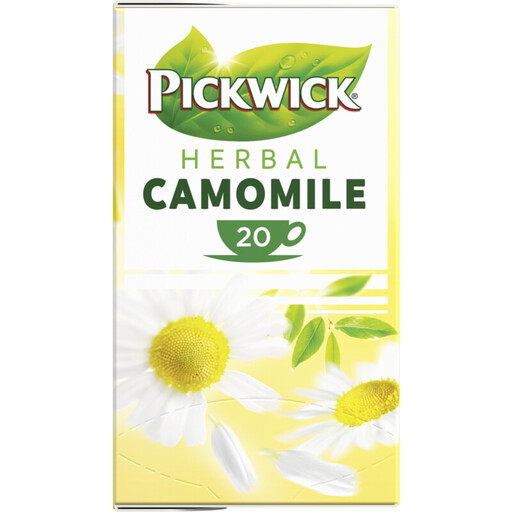
Why This Fits Their Persona: For those who want to unwind in the evening with a hot beverage free from sugar or caffeine, chamomile tea is an excellent choice. You have full control over the preparation and taste.
This product consists of 100% chamomile flowers. It's a pure `unsweetened tea` and a `caffeine-free tea`. No hidden ingredients, no sweeteners, no calories.
Pure and natural ingredient. Completely caffeine-free and suitable for any time of day.
We have compiled a complete, up-to-date list of products that meet these selection criteria and local regulations.
Yes, most varieties of Lipton Ice Tea Zero are made from green or black tea extract and therefore contain a small amount of caffeine. The amount is typically lower than in a cup of coffee. For a completely caffeine-free option, it's best to choose a herbal tea, such as chamomile or mint.
Sugar-free products, like most sugar-free iced tea varieties, contain no added sugars and thus have a minimal impact on blood sugar levels. However, it is always advisable to carefully check the label for the total carbohydrate content and to consult a doctor if you have any doubts or specific medical conditions.
The most commonly used sweeteners are sucralose, acesulfame-K, and steviol glycosides (stevia). A combination of these is often used to create a taste that is as close as possible to that of sugar, without the calories and with a minimal aftertaste.
