
If you’re looking for strictly sugar-free options
For you, ‘no added sugars’ isn’t enough. You want the nutrition information to show that the flakes are below the limit for ‘sugar-free’.


If you want strictly sugar-free flakes for Easter brunch, choose only a product whose nutrition information lists no more than 0.5 g of sugars per 100 g; this is the limit the Voedingscentrum sets for the ‘sugar-free’ claim. ‘No added sugars’ gives you more options: even then, check the total sugars and the ingredients, including any sweeteners.
For you, ‘no added sugars’ isn’t enough. You want the nutrition information to show that the flakes are below the limit for ‘sugar-free’.
You’re happy for flakes to contain naturally occurring sugars, but want to know whether sugar has been added and whether the product contains sweeteners.
As well as the sugar content, compare the ingredients, allergen information and nutritional values, so guests can decide which bowl or topping suits their preferences.
First decide whether ‘sugar-free’ is a must-have, or whether your main aim is to avoid added sugars. Then check the label of the variety you plan to serve, especially if you’re catering for different guests.
| What to consider | What to check before buying | Who it matters most to |
|---|---|---|
| Strictly sugar-free | Check ‘of which sugars’ per 100 g. The Voedingscentrum sets a maximum of 0.5 g of sugars per 100 g for the ‘sugar-free’ claim. | If I really want to serve sugar-free flakes, the total sugar content is the deciding factor for me. Around 45% of consumers make this strict requirement their priority. |
| No added sugars | Compare the claim with the ingredients list and check whether sweeteners have been used. | I care more about whether sugars have been added, and want to decide for myself whether sweeteners are right for brunch. This consideration matters most to around 27% of consumers. |
| Shared brunch table | Compare the nutrition information per 100 g and read the current ingredients and allergen information. | When several guests are eating at the same table, I want to look beyond the sugar claim alone. Around 18% of consumers make this broader label check their priority. |
| Availability | Check in good time which variety you can get, and make sure it meets your chosen sugar criteria before buying. | When I’m shopping shortly before Easter brunch, I want to be able to find a suitable option without compromising on my sugar criteria. For around 10% of consumers, this is the first practical consideration. |
Flakes with no added sugars can still contain sugars. That doesn’t automatically mean they meet the stricter limit for ‘sugar-free’.
If you need a strictly sugar-free option, check that ‘of which sugars’ is no more than 0.5 g per 100 g in the nutrition information; this is the limit set by the Voedingscentrum.
A name such as ‘unsweetened’ doesn’t tell you how much total sugar the flakes contain per 100 g. Ingredients and nutritional values can also change.
Read the nutrition information, ingredients and allergen information for the variety you’re actually buying; Albert Heijn also points out that product information may change.
A product with no added sugars may contain sweeteners. For example, Jumbo describes Jumbo Special Flakes as flakes with sweetener and no added sugars.
Check the ingredients list if you want to take guests’ taste or ingredient preferences into account at Easter brunch.
Kellogg's Nederland lists 8.0 g of sugars per 100 g for Corn Flakes. That’s above the limit for ‘sugar-free’ set by the Voedingscentrum.
Choose regular cornflakes only if they meet the sugar criteria you’ve chosen for brunch; don’t assume that the name ‘cornflakes’ means no added sugars.
Jumbo’s range includes Special Flakes, as well as other cornflakes and flake cereals.
Kellogg's Nederland lists both Corn Flakes and the multigrain flakes Special K Original.
Smaakt Bio Cornflakes Ongezoet is a cornflake variety listed in Jumbo’s range.
Lidl Nederland lists 500 g packs of cornflakes in its product range.
These Quaker Cruesli varieties are crunchy muesli mixes for anyone considering no-added-sugar options for Easter brunch. They aren’t regular cornflakes or a strictly sugar-free choice; check the total sugars and ingredients on the current packaging.
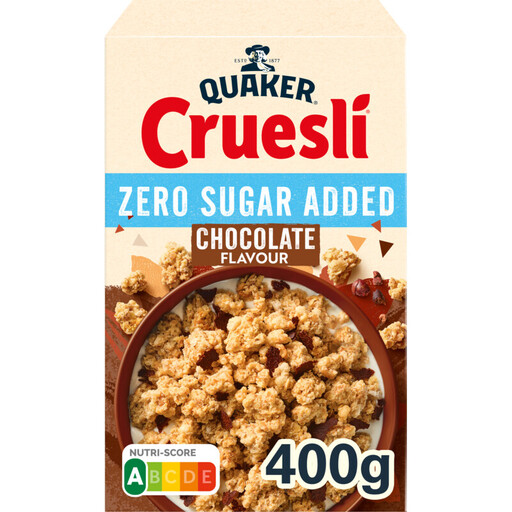 Image unavailable
A chocolate-flavoured crunchy muesli bowl for Easter brunch if you’re looking for the wider choice of products with no added sugars.
Not a strictly sugar-free choice. Bear in mind that it contains milk and cereals containing gluten; the product may contain nuts. Check the current packaging if fibre content is also a factor in your choice.
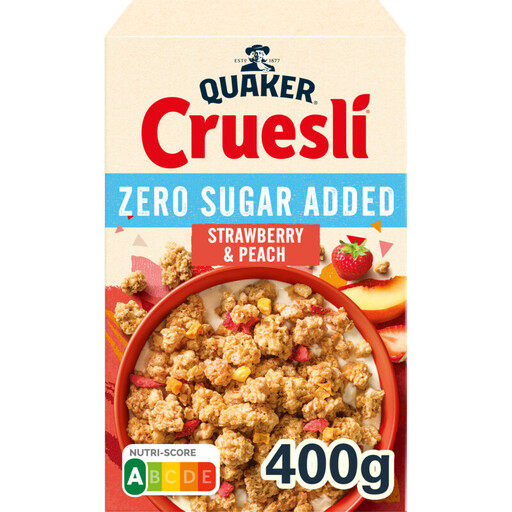 Image unavailable
A fruit-flavoured option for a crunchy muesli bowl if your main aim for Easter brunch is to avoid added sugars.
Not a strictly sugar-free choice. The product information lists cereals containing gluten and wheat; it may also contain milk and nuts. Check the current packaging if you want to compare fibre content.
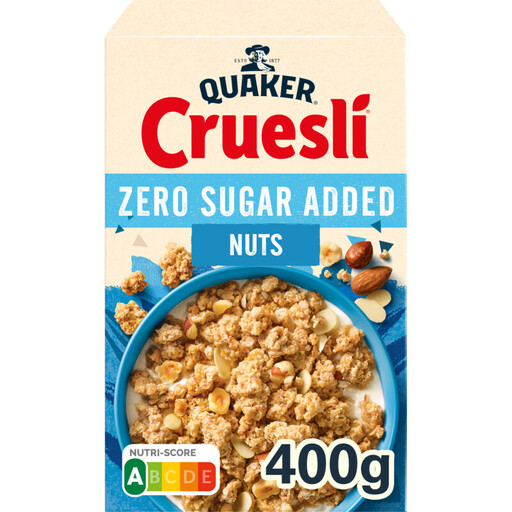 Image unavailable
A nutty option to serve as a crunchy muesli bowl if you’re choosing from the wider category of products with no added sugars.
Not a strictly sugar-free choice. This variety contains almonds, hazelnuts, wheat and oats, and may contain milk; read the current allergen information before serving it to guests.
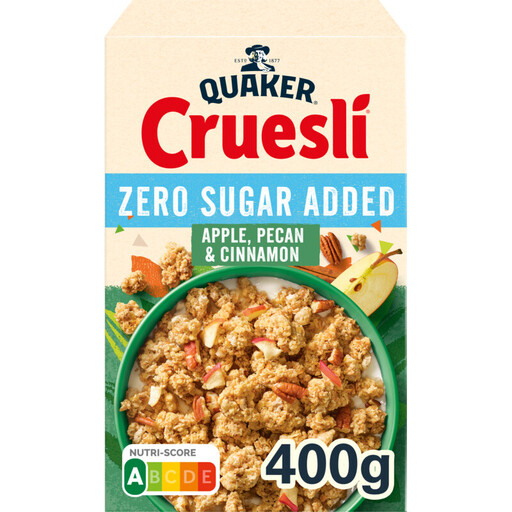 Image unavailable
A variety with apple, pecans and cinnamon for anyone considering a crunchy muesli mix with no added sugars for Easter brunch.
Not a strictly sugar-free choice. This variety contains pecans, wheat and oats, and may contain milk and other nuts; check the current packaging if your guests avoid certain ingredients.
According to the Voedingscentrum, the ‘sugar-free’ claim means a product contains no more than 0.5 g of sugars per 100 g. To check, look for ‘of which sugars’ in the nutrition information per 100 g; a reference to added sugars doesn’t answer this question.
No. Flakes can contain naturally occurring sugars even if no sugars have been added. Check the total sugars in the nutrition information if you want to know whether a product also meets stricter criteria.
Read the ingredients list: the Voedingscentrum says that any sweetener present must be listed on the label. For example, Jumbo describes its Special Flakes as containing sweetener, despite stating ‘no added sugars’.
Follow the storage and use-by information on the packaging, and seal the inner bag tightly after opening. This way, you can follow the guidance for the product you’ve bought and avoid leaving the flakes open unnecessarily.