
Vandaag of morgen in huis

Kwaliteit gegarandeerd

Welkomstaanbiedingen ontgrendelen: GRATIS bezorging | Tot 80% korting | Gratis 30 dagen JoyPlus-proefperiode
Download de app
Anyone looking for sugar-free fizzy drinks will quickly come across terms such as zero sugar, light, low-calorie and no added sugar. These descriptions do not always mean the same thing. Two cans with almost identical packaging can also differ in caffeine content, sweeteners, size and price per litre.
With this buying guide from the Joybuy Product Recommendation Officer, you can compare fizzy drinks using verifiable information. This helps you avoid buying a large pack that does not suit your needs, or choosing a product whose nutritional values differ from what you expected.
A product may contain no sugar but still provide a small amount of energy. Conversely, “no added sugar” does not automatically mean that there are no sugars at all. Coconut water, for example, naturally contains sugars, even when no sugar has been added.
So always check the nutritional information per 100 ml. Look at:
Cola and some other fizzy drinks often contain caffeine. This is not ideal for everyone, for example if you want to serve a drink in the evening or combine different preferences within a family. If you need a caffeine-free fizzy drink, specifically look for “caffeine free” or “caffeine-free” in the product name and check the ingredients as well.
A 24-can fizzy drink multipack may seem practical, but it takes up more storage space and is mainly useful if you regularly serve cans. For occasional use, a smaller pack or a 1.5-litre bottle may be a better fit.
Compare the price per litre, number of servings and best-before date. Also check whether the product description lists different quantities. If in doubt, check the packaging and the current product page before ordering.
When choosing zero-sugar fizzy drinks, do not just look at the front of the can. The nutritional information provides the most useful comparison. Coca-Cola Zero Sugar Caffeine Free, for example, lists 0 g of sugar and 0.3 kcal per 100 ml. Pepsi Zero Sugar Cola lists 0 g of sugar and 0.4 kcal per 100 ml.
A fruit drink may be quite different. G’woon Apple Peach Flavoured Water lists 0 kcal and 0.01 g of sugar per 100 ml, while G’woon Grape Lemon Flavoured Water contains 23 kcal and 5.43 g of sugars per 100 ml according to the product information. The words “light” or “fruit” therefore do not tell you much on their own.
Sugar-free cola and other zero-sugar fizzy drinks are usually sweetened with ingredients such as aspartame, acesulfame-K, sucralose or steviol glycosides. If you want to avoid certain sweeteners, read the ingredients list rather than relying only on the word “zero”.
Products containing aspartame may carry a warning that they are a source of phenylalanine. This is stated on several cola products in the range, for example. Always check the label, particularly in the case of allergies, intolerances or phenylketonuria. Product-page information can change; the packaging takes precedence.
Sugar-free drinks in 330 ml cans are handy for parties, offices and families because each portion remains sealed until it is ready to serve. A 24-pack of Coca-Cola, Pepsi or Lipton Ice Tea is suitable if you want to stock up.
For use at home or when entertaining, a 1.5-litre bottle may be more practical. Once opened, it should be kept chilled and used within the stated period. When ordering online, also check the quantity: some product titles and descriptions may show different numbers of items.
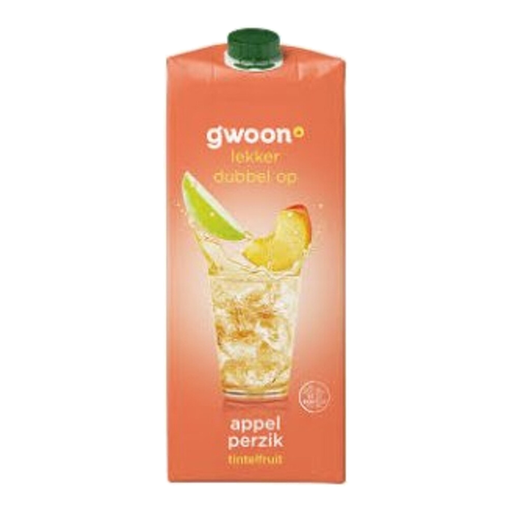
Why it suits this profile: A 1.5-litre bottle is ideal for sharing at home and makes it easy to try low-calorie drinks.
The product information lists 0 kcal and 0.01 g of sugar per 100 ml. Check this on the label when the product arrives.
Lightly sparkling, with an apple and peach flavour, 1.5 litres of drink and sucralose as a sweetener according to the product description.
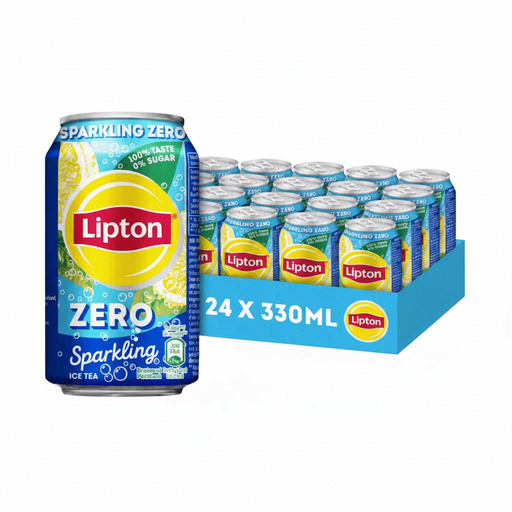
Why it suits this profile: A reliable choice for anyone who wants to serve a sparkling tea option alongside cola when entertaining or at the office.
The pack contains 24 individual cans. You only open what you need and can check the zero-sugar description on the can.
24 x 330 ml, sparkling iced tea, sugar-free according to the product description and intended to be served chilled.

Why it suits this profile: Ideal if you regularly serve cola but want a caffeine-free fizzy drink for different times of day.
The product name explicitly states zero sugar and caffeine free. The ingredients and phenylalanine warning are still important to check.
24 cans of 330 ml, 0 g of sugar and 0.3 kcal per 100 ml according to the product information.
For a family or business buyer, 24 cans are often easy to manage: you can control stock by portion and do not need to store an opened bottle. For a party with lots of guests, combining cola, sugar-free iced tea and sparkling water can provide more variety.
If storage space is limited, consider 12-packs or smaller formats. Charlie’s Sparkling Water Raspberry & Lime is available as 12 x 330 ml, for example, and lists 0 g of sugar and 2 kcal per 100 ml. It is not a classic cola, but it is an option for anyone looking for a fruity, sugar-free sparkling drink.
Pay particular attention to the table when products are labelled “no added sugar”. According to the product information, Grace 100% Coconut Water contains 5 g of sugars per 100 ml because these occur naturally in coconut water. It therefore does not automatically fit the criteria for a sugar-free fizzy drink.
We have put together a complete, up-to-date list of products that fully meet these strict selection criteria and the applicable European safety regulations.
Not always. Check the nutritional information and look at the line stating “of which sugars”. A product may be described as containing no sugar, while another variant may list a small amount of sugar or carbohydrates.
Coca-Cola Zero Sugar Caffeine Free explicitly states that the product is caffeine-free. Sprite is also described as caffeine-free in the product information, but always check the current ingredients list and packaging before ordering.
That depends on the price per litre, packaging and any delivery costs. Divide the total price by the total number of litres. A 24-pack of 330 ml contains 7.92 litres. Compare this result with smaller can packs and bottles before buying a large supply.
