
Vandaag of morgen in huis

Kwaliteit gegarandeerd
Download de app
Categorieën

Looking for a sugar-free energy boost but feeling overwhelmed by the options? The market for sugar-free energy drinks is vast, and it's easy to make the wrong choice. Picking a flavour you dislike or a format that doesn't suit your needs is a waste of money.
This guide is here to help you make an informed decision. We focus on factual product information and practical considerations to ensure you find exactly what you're looking for.
Before you purchase a tray of energy drinks, it's wise to compare a few key specifications. This will help you avoid buyer's remorse and select a product that perfectly matches your preferences.
The foundation of a sugar-free energy drink is almost always the same: carbonated water, caffeine, taurine, B vitamins, and sweeteners. The real differences are in the details.
Taste is subjective, but the product description provides a good indication of what to expect. Manufacturers often use terms like 'citrus,' 'tropical fruit,' or specific fruit combinations such as 'curuba and elderflower.' Consider whether you prefer a crisp, fruity, or a more complex flavour.
Energy drinks are available in various sizes. The most common are:
Based on product specifications and popular market choices, we have selected three distinct sugar-free energy drinks.
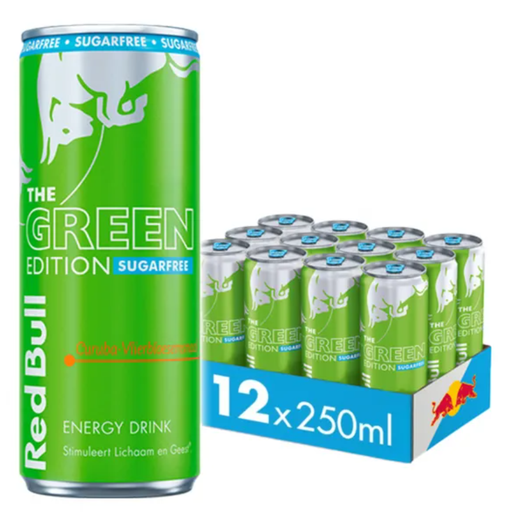
Why this product This sugar-free Red Bull variant combines the trusted formula with a unique flavour of curuba (banana passionfruit) and elderflower. It's a low-calorie option in the classic 250 ml size.
Benefits
Who is it for? For the user seeking a quick energy boost in a compact size, who is open to new and refined flavours. Ideal for professionals needing a pick-me-up during a busy workday.
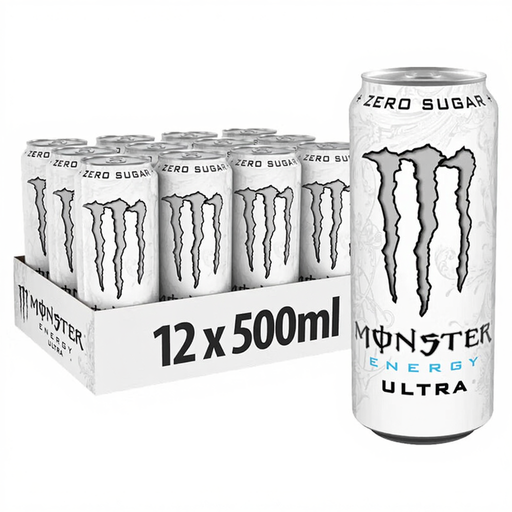
Why this product Monster Ultra White is a popular choice in the sugar-free segment, known for its refreshing citrus flavour and larger can size. In addition to the standard ingredients, this product also contains ginseng and L-carnitine.
Benefits
Who is it for? Perfect for gamers, students, or anyone with a long session ahead who prefers a larger volume per can. Its mild citrus flavour makes it an accessible choice for many.
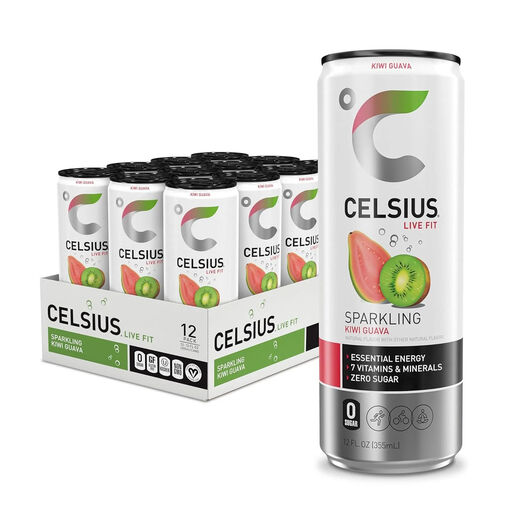
Why this product Celsius drinks stand out with a formula rich in natural extracts. This kiwi and guava flavoured variant is completely free of sugar and carbohydrates, targeting an active demographic.
Benefits
Who is it for? An excellent choice for athletes and individuals with an active lifestyle looking for a functional energy drink with added plant-based ingredients and a focus on minimal calories and carbs.
The world of functional beverages extends beyond just energy drinks. If the options above don't fully meet your needs, or if you're looking for alternatives like vitamin drinks, protein shakes, or other low-calorie options, it's worth exploring a wider range.
Discover our full range in the Health Drinks category
1. What is the difference between 'sugar-free' and 'zero sugar'? In practice, there is no functional difference. Both terms indicate that the product contains no added sugars. Manufacturers often use this terminology for marketing purposes to differentiate between product lines. In both cases, the sweetness comes from low-calorie sweeteners.
2. How much caffeine is in a sugar-free energy drink? The caffeine content is typically comparable to that of regular, sugar-sweetened versions. It's usually around 32 mg per 100 ml. A 250 ml can therefore contains about 80 mg of caffeine, similar to a cup of filter coffee. Always check the label for the exact amount.
3. Is buying a tray of energy drinks cheaper? In most cases, the price per can is lower when you buy a tray (e.g., a 12- or 24-pack) compared to individual cans. For regular consumers, this is not only more economical but also more convenient, as you'll always have a supply on hand.
Joybuy Product Recommendation Officer An objective, practical shopping assistant focused on facts and product parameters, without the marketing hype.