
Same-day & Next-day Delivery

Quality Guaranteed

Unlock Your Welcome Offers: FREE Delivery | Up to 80% OFF | Free 30-day JoyPlus trial
Download the APP
Facing a long workday, a tough study session, or an intense workout? A sugar-free energy drink can be a useful tool. But the market is flooded with options, and not every sugar-free energy drink is created equal. Many brands make lofty promises, but in reality, some products disappoint with a chemical aftertaste or unclear ingredients.
As a Product Recommendation Officer at Joybuy, I see people making the wrong choices every day, swayed by marketing buzzwords. Let's break down the most common pitfalls so you know what to watch out for.
low-calorie energy drink is often the aftertaste. This is caused by the type and balance of sweeteners used. A poor blend can completely ruin what should be an enjoyable flavour experience.case of energy drinks can significantly lower the price per can, saving a lot of money in the long run.To avoid a purchase you'll regret, it's wise to check a few key specifications on the label. This will help you make a choice that suits your taste and goals.
The taste of a zero sugar energy drink is defined by its sweeteners. The most common ones are:
Check the ingredients list to see which sweeteners are used. This will give you an idea of the flavour profile to expect.
Not all caffeinated drinks are created equal. The amount of caffeine determines the intensity of the boost.
Red Bull Sugarfree, typically contains around 80 mg of caffeine. This is comparable to a cup of filter coffee and is suitable for focus during work or study.Monster Ultra varieties, often contain double that amount, around 160 mg of caffeine.pre-workout drink in shot form can be even more concentrated and often includes extra ingredients like beta-alanine or amino acids for athletic performance.Always check the caffeine per 100 ml and the total volume of the package to determine the dose per serving.
You'll rarely find a good energy drink deal when buying single cans. The smartest way to save is by purchasing a case of energy drinks. Compare the price per can or per litre. A case of 12 or 24 is almost always more economical and ensures you always have a supply on hand.
Based on these objective criteria, we've selected several popular choices that fit different user profiles.
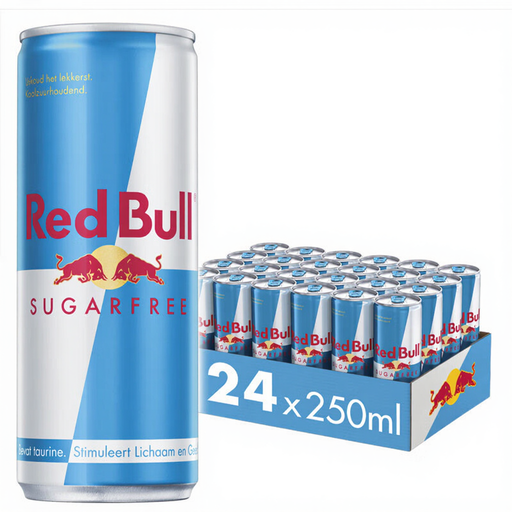
Why This Fits Their Persona: Ideal for students and professionals who need a reliable daily boost. By stocking up with a 24-pack, you'll always have a supply and pay significantly less per can than buying them individually.
Tackles the high-cost pitfall by offering a low price per unit in a bulk package. The flavour is consistent and familiar, without any unexpected chemical aftertaste.
Reliable Formula: Contains 80 mg of caffeine per can and B vitamins. Cost-Effective: The 24-pack offers excellent value for money.
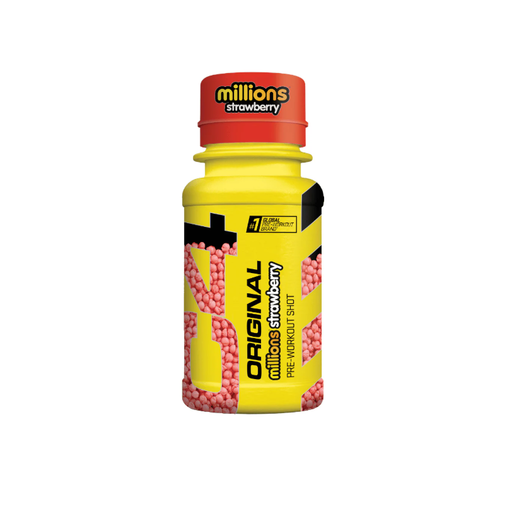
Why This Fits Their Persona: This isn't a standard energy drink, but a concentrated pre-workout shot. Perfect for athletes looking for a quick, powerful boost 20-30 minutes before their training session.
Avoids the vague claims pitfall by providing a specific formula. According to the manufacturer, Cellucor, it's formulated with caffeine, CarnoSyn Beta-Alanine, and amino acids for muscular endurance.
Targeted Formula: Designed for pre-workout performance. Compact and Convenient: A 60ml shot fits easily into any gym bag and doesn't need to be refrigerated.
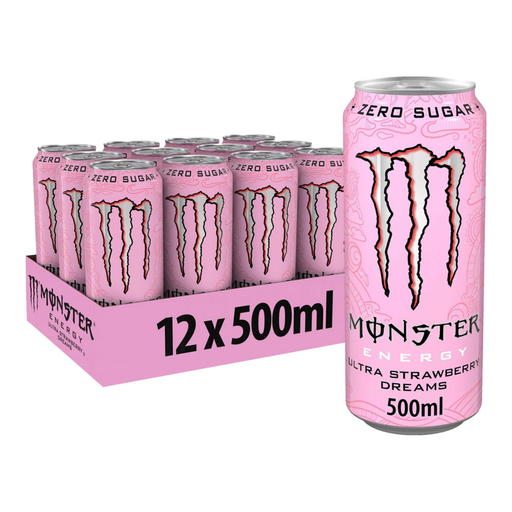
Why This Fits Their Persona: For those tired of the standard energy drink taste. The Monster Ultra line is known for its wide range of fruity and unique flavours, all without sugar. Strawberry Dreams offers a fresh, sweet strawberry taste.
Counters the bad aftertaste pitfall by combining a balanced sweetener blend (sucralose and acesulfame-K) with a strong and distinct flavour profile.
Unique Flavour: A refreshing alternative to traditional tastes. Potent Serving: Contains 150 mg of caffeine per 500 ml can for a solid energy boost.
We've compiled a complete, up-to-date list of products that fully meet these strict selection criteria and local regulations.
In practice, there's usually no functional difference. Both terms indicate that the product contains no added sugars. Manufacturers often use the terms interchangeably for marketing purposes. 'Zero sugar' is sometimes used to emphasize that the product also contains very few or no calories. It's always wise to check the nutritional information panel on the label for the exact calorie and carbohydrate content.
This depends mainly on the caffeine content. Health authorities advise healthy adults to consume no more than 400 milligrams of caffeine per day. A 250 ml can often contains around 80 mg of caffeine, and a 500 ml can around 160 mg. You can limit your consumption based on these figures. Manufacturers also include a warning on the packaging, especially for children and pregnant women.
There are drinks marketed as 'hydration' or 'focus' beverages that don't contain caffeine. One example is Prime Hydration, which focuses on hydration with coconut water and electrolytes but lacks caffeine for a stimulating effect. Other options, like an instant ginger drink, can provide an invigorating feeling due to their spicy taste but don't offer the caffeine boost characteristic of a traditional energy drink. In these cases, the 'energy' effect comes from a source other than caffeine.
