
Vandaag of morgen in huis

Kwaliteit gegarandeerd

Welkomstaanbiedingen ontgrendelen: GRATIS bezorging | Tot 80% korting | Gratis 30 dagen JoyPlus-proefperiode
Download de app
A sugar-free energy drink may seem easy to choose at first glance: pick a familiar flavour, compare the price and order a multipack. However, there are clear differences between a 250 ml sugar-free energy drink and a 500 ml can. The caffeine content, sweeteners used and total number of cans also determine whether a purchase suits the way you plan to use it.
As a Joybuy Product Recommendation Officer, I filter the most important product specifications from the available information. This helps you see more quickly which option makes sense for travelling, work, studying or any occasion when you want to have a caffeinated drink.
A sugar-free energy drink generally contains no sugar, but it may still contain a small amount of energy. The products mentioned usually contain around 2 to 12 kcal per 100 ml. A 500 ml can may therefore contain more calories than a 250 ml can.
Always check the nutritional values per 100 ml and per pack. A larger pack does not automatically offer better value for money if you do not finish the drink.
The front often highlights the flavour, vitamins or a “zero” variant. For an objective comparison, these details are particularly relevant:
A brand’s own research may link ingredients or vitamins to certain effects. Do not treat such marketing claims as established fact. Focus on what can be confirmed in the ingredients list and nutritional information.
A multipack of energy drinks containing 24 cans is practical for home or regular use, but less convenient if you want to try a flavour first. A pack of 4 or 6 cans requires a smaller purchase. A 12-pack sits somewhere in between.
Also consider storage space, the deposit and the best-before date on the packaging. Store cans in a cool, dry place, away from direct sunlight and excessive heat.
Most Red Bull variants in this selection state 32 mg of caffeine per 100 ml. This works out at approximately 80 mg per 250 ml can. A 500 ml can with the same caffeine concentration contains roughly twice as much. Monster Ultra White lists caffeine as an ingredient and is available in 500 ml cans; check the current packaging before buying for the exact nutritional information.
A caffeinated energy drink is not suitable for everyone. The product information warns that drinks with a high caffeine content are not recommended for children, pregnant women or women who are breastfeeding. Consume in moderation and take caffeine from coffee, tea and other drinks into account. Also follow the age and usage information on the label and provided by the seller.
Sugar-free soft drinks and sugar-free energy drinks use sweeteners instead of sugar. The selected products include sucralose, acesulfame-K, aspartame, cyclamates and saccharin, among others. The ingredients vary by brand and flavour.
If you want to avoid aspartame or a particular sweetener, check the ingredients list for each product. Recipes can change, so the packaging you receive is the definitive source of information.
A taurine energy drink contains taurine, often combined with caffeine and B vitamins. Several products list taurine at a concentration of around 0.4%. Monster Zero also contains ingredients including ginseng extract, L-carnitine, glucuronolactone and guarana extract.
The presence of these ingredients says nothing in itself about the results you can expect personally. Treat them as product specifications and focus your comparison on flavour, caffeine, size and price per can.
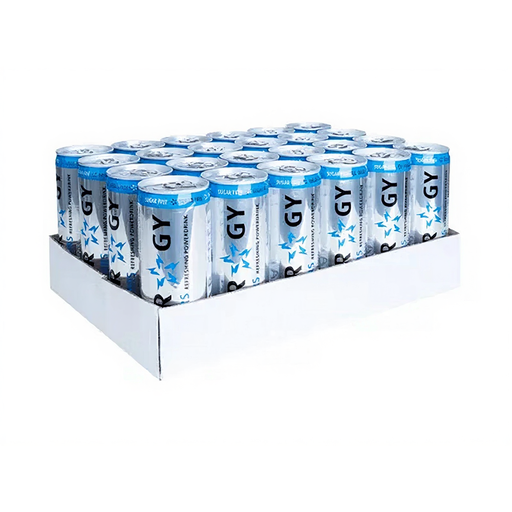
Why it suits this profile: A 24-pack of compact cans is ideal if you want a regular supply and wish to compare the cost per can.
The size is clearly stated: 24 cans of 250 ml. The ingredients list also specifies caffeine, taurine and the sweeteners used.
Sugar-free, 250 ml per can and containing B vitamins. Please note: the product information lists aspartame.
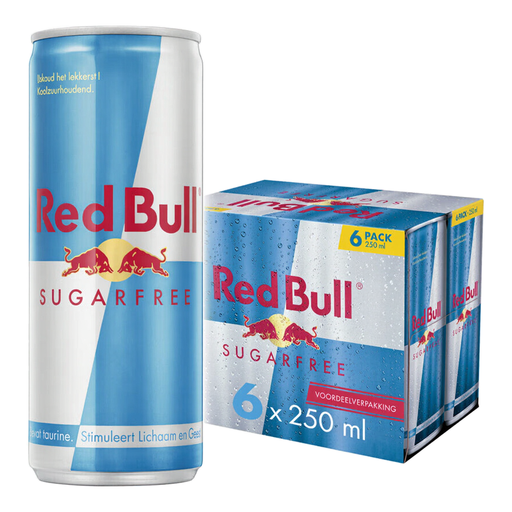
Why it suits this profile: This well-known brand offers a manageable 6-pack for work, studying or travelling, without committing to a large stock-up straight away.
The product page states 32 mg of caffeine per 100 ml, 0 grams of sugar and a pack size of 6 x 250 ml.
0 grams of sugar per 100 ml, approximately 3 kcal per 100 ml and taurine with B vitamins, according to the product information.

Why it suits this profile: The large 500 ml cans are ideal for users who want one can to last longer or are looking for a supply for work and sports activities.
The citrus variant and 12 x 500 ml format are clearly stated in advance, so you will not accidentally buy a smaller pack than intended.
Citrus flavour, 0 grams of sugar per 100 ml and a large can size. The ingredients list includes taurine, caffeine and B vitamins, among others.
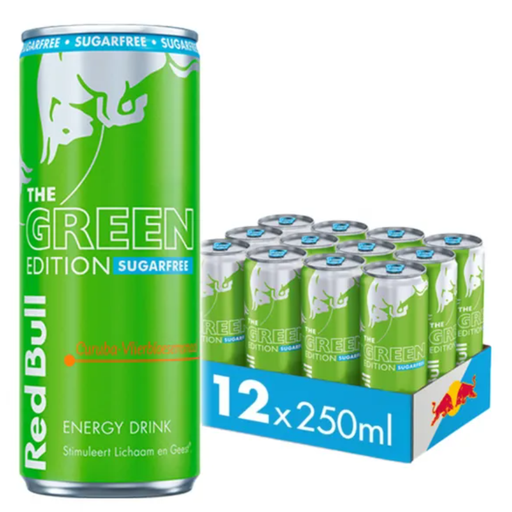
Why it suits this profile: The curuba and elderflower flavour offers an alternative to classic energy drinks. The 250 ml cans are easy to take with you.
The flavour, size and composition are clearly stated: 12 x 250 ml, 0 grams of sugar and 32 mg of caffeine per 100 ml.
A fruity flavour combination, 3 kcal per 100 ml, and sucralose and acesulfame-K as sweeteners according to the product description.
We have put together a complete, up-to-date list of products that fully meet these strict selection criteria and the applicable European safety regulations.
Use this quick checklist to avoid making the wrong purchase:
Not always. The products in this selection generally contain few calories, but the amount varies by brand and variant. Check the nutritional information per 100 ml and multiply it by the volume of the can.
That depends on the caffeine content per 100 ml. At the same concentration, a 500 ml can does contain twice as much total caffeine as a 250 ml can. So do not look only at the size; check the caffeine value on the label as well.
Store unopened cans in a cool, dry place away from direct sunlight. After opening, you can store the can in the fridge according to the product information, but always check the instructions on the packaging. If you buy a large supply, also check the best-before date and consume in moderation.
