Who is this choice relevant to?

Shoppers with a strict sugar-free requirement

You’re looking for a biscuit for yourself or a guest that can genuinely be described as sugar-free. A phrase such as ‘sugar-conscious’ isn’t enough: the claim on the packaging and the nutritional information per 100 g are what matter.

Party planners considering a different type of biscuit

You’d like to look beyond Dutch egg cakes for St Nicholas’ Eve. It matters whether you’re looking for a sugar-free biscuit or specifically a product with no added sugars.

Hosts keeping an eye on allergens

You’re looking for biscuits to serve to several guests and checking the ingredients as well as the sugars. Albert Heijn and Bolletje’s product information lists egg, cereals containing gluten, milk and soya among the ingredients in their Dutch egg cakes. Check the packaging of each individual product.

What should you look for when choosing?

First decide whether sugar-free is a firm requirement and whether a type of biscuit other than a Dutch egg cake would suit your St Nicholas’ Eve celebration.

What to consider What to check when buying Who it matters to
Genuinely sugar-free Check for the ‘sugar-free’ claim and the ‘of which sugars’ figure per 100 g. Under Regulation (EC) No 1924/2006, the claim is permitted only when the product contains no more than 0.5 g of sugars per 100 g. If sugar-free is a firm requirement for me, I don’t want to rely on a general description such as ‘sugar-conscious’. Around 50% of consumers make this strict check their priority.
No added sugars Read the ‘of which sugars’ figure per 100 g and check whether the product contains sweeteners. Also check that it’s still a Dutch egg cake. I can choose a different biscuit for the celebration if no sugars have been added, even if the biscuit still contains sugars. This is the most important consideration for around 30% of consumers.
Dutch egg cakes for guests Check the ingredients and allergens on the current packaging, as well as how many you’ll need. I prefer a familiar Dutch egg cake to share, as long as its ingredients are suitable for my guests. Around 20% of consumers prioritise this combination.

Common mistakes when choosing

  • Assuming ‘no added sugars’ means ‘sugar-free’

    A product with no added sugars may still contain sugars. For example, Jumbo lists 4.9 g of sugars per 100 g for Peijnenburg wholegrain breakfast cake with no added sugars. It’s also a different type of biscuit, not a Dutch egg cake.

    If you have a strict requirement, check for the ‘sugar-free’ claim and the nutritional information per 100 g, rather than relying on the wording on the front of the pack.

  • Assuming a light, airy Dutch egg cake is sugar-free

    Texture tells you nothing about the amount of sugars. Albert Heijn lists 31 g of sugars per 100 g for AH Eierkoeken.

    Check the ‘of which sugars’ figure per 100 g and read the ingredients, including any sugars and syrups.

  • Assuming one product claim covers all your requirements

    ‘Gluten-free’ or ‘wholegrain’ doesn’t automatically mean ‘sugar-free’. These descriptions also don’t tell you which other allergens a particular biscuit contains.

    For each guest, check the relevant claim, ingredients and allergens on the packaging of the product you choose.

  • Overlooking sweeteners if you have pets

    The product information for Peijnenburg breakfast cake with no added sugars lists xylitol and warns that it’s not suitable for animals.

    Keep biscuits containing xylitol out of pets’ reach. If an animal eats any, follow the advice on the packaging and contact a vet straight away.

Brands and shops to consider

Albert Heijn

Albert Heijn sells AH Eierkoeken and also has a separate range of sugar-conscious biscuits.

  • The product information for AH Eierkoeken lists 31 g of sugars and 27 g of added sugars per 100 g.
  • These AH Eierkoeken aren’t suitable if you have a strict sugar-free requirement. A biscuit in the sugar-conscious range isn’t automatically a sugar-free Dutch egg cake.

Jumbo

Jumbo’s range of Dutch egg cakes includes standard, mini, wholegrain and gluten-free varieties.

  • These product types give you a starting point for choosing a pack by size or to meet a specific dietary requirement.
  • Peijnenburg wholegrain breakfast cake with no added sugars is a different type of biscuit and, according to Jumbo, contains 4.9 g of sugars per 100 g.

Bolletje

Bolletje’s Brosse Eierkoek Kaneel is a crisp variety of Dutch egg cake.

  • You can check its composition in the ingredients list.
  • Bolletje lists sugar, milk sugar, glucose syrup and invert sugar syrup among the ingredients. The product also contains cereals containing gluten, egg, soya and milk.

Verkade

Verkade describes San Francisco Zero as a biscuit with no added sugars, not as a Dutch egg cake.

  • This type of biscuit may be worth considering if you’d like to choose something other than Dutch egg cakes for St Nicholas’ Eve.
  • ‘No added sugars’ doesn’t in itself confirm that a biscuit is sugar-free. Check the nutritional information per 100 g.

ALDI / Heerlijck Banket

ALDI lists a pack of twelve Heerlijck Banket Scharreleierkoeken.

  • The stated number of cakes helps you plan for your guests.
  • If sugar-free is a requirement, check the packaging for the claim and the ‘of which sugars’ figure per 100 g.

Biscuits as an alternative at Joybuy

If a biscuit would suit your St Nicholas’ Eve celebration better than a Dutch egg cake, you could consider this option. If you have a strict sugar-free requirement, check the claim and nutritional information per 100 g on the packaging.
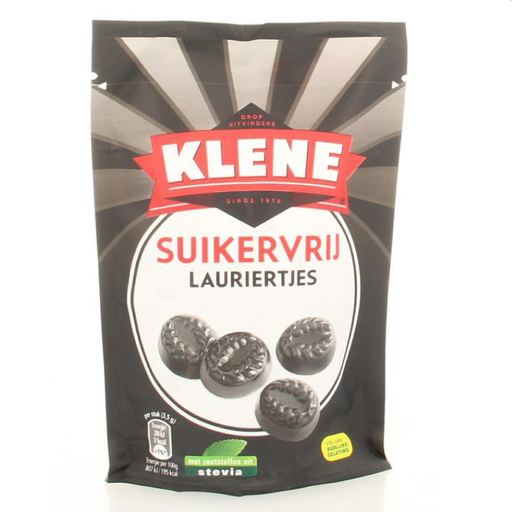
Klene Sugar-Free Lavender Biscuits, 110 g

Klene Sugar-Free Lavender Biscuits, 110 g

These biscuits are an alternative for anyone who doesn’t want to stick to Dutch egg cakes for St Nicholas’ Eve. The pack contains 110 g. The product name says Sugar-Free; if you need a strictly sugar-free option, also check the ‘of which sugars’ figure per 100 g on the packaging.

View at Joybuy

Frequently asked questions

Does ‘no added sugars’ mean the same as ‘sugar-free’?

No. Under Regulation (EC) No 1924/2006, the EU ‘sugar-free’ claim is only permitted for products containing no more than 0.5 g of sugars per 100 g, whereas a product with no added sugars may still contain sugars. For example, Jumbo lists 4.9 g of sugars per 100 g for Peijnenburg wholegrain breakfast cake with no added sugars.

Are standard AH Eierkoeken a sugar-free treat?

No. Albert Heijn lists 31 g of sugars per 100 g for AH Eierkoeken and includes sugar and invert sugar syrup in the ingredients. If you have a strict sugar-free requirement, don’t choose based on the product type alone.

Is a gluten-free Dutch egg cake also sugar-free?

Not automatically. Gluten-free and sugar-free describe different properties. If you’re choosing a gluten-free Dutch egg cake, check separately whether the packaging says ‘sugar-free’ and what the ‘of which sugars’ figure per 100 g is.

Which allergens should I check when buying Dutch egg cakes for guests?

Always check the current packaging of the Dutch egg cake you choose. The product information for AH Eierkoeken and Bolletje Brosse Eierkoek Kaneel lists egg, cereals containing gluten, milk and soya among the ingredients. Exact ingredients and warnings vary by product.

What should I know about xylitol biscuits and pets?

Keep biscuits containing xylitol out of pets’ reach. The product information for Peijnenburg breakfast cake with no added sugars warns that xylitol isn’t suitable for animals and advises contacting a vet straight away if an animal eats any.
