
Vandaag of morgen in huis

Kwaliteit gegarandeerd

Welkomstaanbiedingen ontgrendelen: GRATIS bezorging | Tot 80% korting | Gratis 30 dagen JoyPlus-proefperiode
Download de app
More and more people are looking for sugar-free drinks. Whether you want to limit your calorie intake, are following a specific diet, or simply want to consume less sugar, the shelves are packed with options. But how do you choose a drink that is both delicious and meets your needs? The marketing promises are often better than the reality. Many choices lead to disappointment: a strange aftertaste, hidden sugars, or a product that just doesn't taste good.
As a Joybuy Product Recommendation Officer, I'll help you cut through the marketing jargon. Below, we discuss the most common pitfalls and what you really need to look for when choosing drinks without sugar.
Before you fill your shopping basket, it's wise to be aware of a few common deceptions.
To make a good choice, focus on the facts. Check these three points on the label before you buy.
Not all sweeteners are the same. The most commonly used are sucralose, acesulfame-K, and stevia.
Taste is personal. What one person enjoys, another may not. It pays to try different types to discover which sweetener you find pleasant.
Always look at the nutritional information table for the number of kilocalories (kcal) or kilojoules (kJ) per 100 ml. A drink can be called "sugar-free" if it contains less than 0.5 grams of sugar per 100 ml. Most low-calorie drinks are between 0 and 4 kcal per 100 ml. This is a critical number, especially for those on a diet or looking for drinks for diabetics.
Look beyond just the sugar and calorie values. The ingredient list tells you what you're really drinking. Does the product contain real fruit pulp, as with some aloe vera drinks? Have vitamins been added? Or is it mainly water with flavourings and colourings? A shorter, more understandable ingredient list is often a good sign.
To help you get started, we've highlighted some popular choices and matched them to different needs.
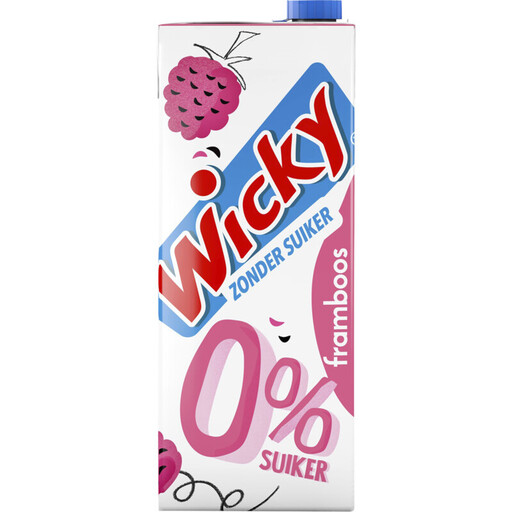
Why This Fits Their Persona: This large 1.5-litre bottle is ideal for families. The familiar, fruity taste of Wicky is popular with children, and its very low calorie count (1 kcal per 100 ml) makes it a sensible choice for daily use.
This product bypasses the 'flavour pitfall' by retaining the trusted Wicky taste without sugar. The label is clear about being 0% sugar and having no hidden sugars.
The large packaging offers great value for money. Additionally, it's fortified with vitamin E.
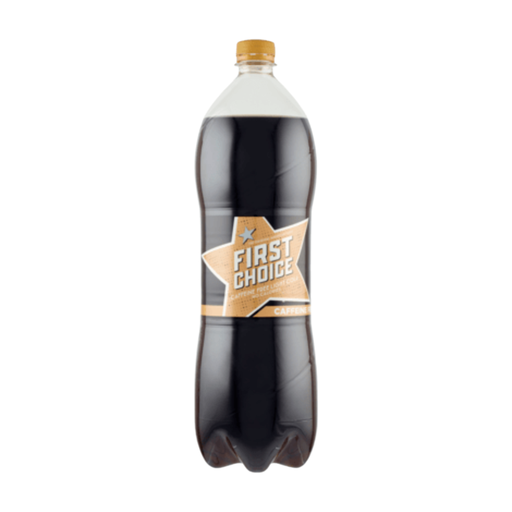
Why This Fits Their Persona: For those who want the classic cola taste without the sugar and caffeine. Perfect for any time of day, including evenings. The convenient 6-pack is ideal for on-the-go or for keeping a small stock at home.
This product delivers a recognisable cola flavour with only 1 kcal per 100 ml, avoiding the pitfall of a weak or chemical-tasting light drink. The specifications are clear and honest.
The combination of sugar-free and caffeine-free is unique and makes it a versatile choice. The cans are convenient for individual use.
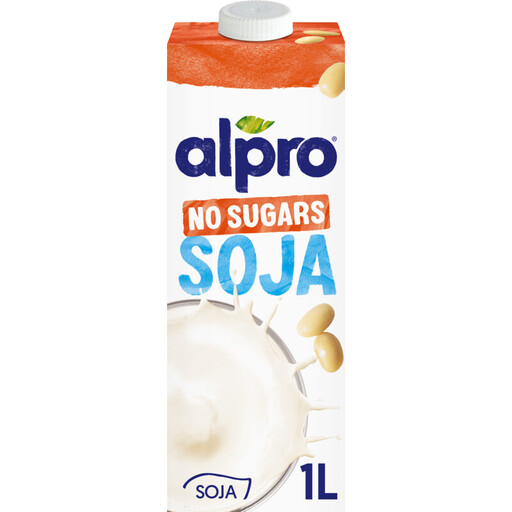
Why This Fits Their Persona: This is more than just a drink; it's a foundation for a healthy lifestyle. Completely sugar-free, plant-based, and rich in protein. Ideal for smoothies, oatmeal, coffee, or to drink on its own. Suitable for vegans and those with lactose intolerance.
This product tackles the 'healthy illusion' by offering a functional and nutritious alternative. It's not a soda, but an unsweetened soy drink with a clear, short ingredient list.
Rich in plant-based protein and a source of calcium and vitamins (B2, B12, D2). Naturally lactose- and gluten-free.
We have compiled a complete, up-to-date list of products that fully meet these strict selection criteria and Dutch regulations.
This is an important question. 'No added sugars' means the manufacturer has not added any sugar or syrups. However, the product may contain naturally occurring sugars, for example from fruit. 'Sugar-free' (or 'zero sugar') is a claim indicating that the product contains a negligible amount of sugar (according to EU law, less than 0.5 grams of sugar per 100 ml or 100 grams).
All sweeteners used in the European Union have been assessed and approved by the European Food Safety Authority (EFSA). They are considered safe for consumption within the established Acceptable Daily Intake (ADI). As with many foods, moderation is a sensible approach.
Many people with diabetes opt for sugar-free drinks because they have a minimal to no effect on blood sugar levels. These products can be a good alternative to sugary drinks. However, it is always advisable to seek personal advice from a doctor or dietitian, as everyone's situation is unique.
