
Vandaag of morgen in huis

Kwaliteit gegarandeerd

Welkomstaanbiedingen ontgrendelen: GRATIS bezorging | Tot 80% korting | Gratis 30 dagen JoyPlus-proefperiode
Download de app
Sugar-free drinks are handy at home, at the office, at a party or when you want to cut down on sugar. However, a prominent term such as “zero”, “light” or “no added sugar” doesn’t tell you everything about a product. The differences often come down to nutritional values, sweeteners, caffeine, serving size and packaging.
This guide will help you compare sugar-free soft drinks, low-calorie drinks, fruit drinks with no added sugar and mineral water in a practical way.
According to the product information, a zero-sugar soft drink typically contains no sugar, but it may contain sweeteners. A fruit drink with no added sugar may still contain naturally occurring sugars from fruit. So always check the “of which sugars” per 100 ml figure.
It’s also worth checking the calorie content. For example, Sprite Zero Sugar lists 0 g of sugar per 100 ml, but the product information gives its energy content as 14 kcal per 100 ml. “Sugar-free” and “calorie-free” don’t automatically mean the same thing.
A 24-can multipack of soft drinks may work out cheaper per can, but it takes up more space and isn’t ideal if you want to try a flavour first. Check:
For example, a pack of 24 x 330 ml contains 7.92 litres of drink. That’s suitable for regular use or a party, but could be too much for a small household.
A sugar-free energy drink can still contain caffeine. For example, Monster Energy Ultra White lists 0.03% caffeine and taurine in its ingredients. Slammers Sugar-Free Energy Drink also lists caffeine and states that it contains aspartame, a source of phenylalanine.
When choosing a sugar-free cola, check whether it contains caffeine. Coca-Cola Zero Sugar Caffeine Free is made without caffeine. Check the packaging if you want to avoid caffeine or limit your intake.
Always compare products per 100 ml, not just per can. This makes it easy to compare a 250 ml can with a 500 ml can fairly.
Also check the ingredients list. Many sugar-free soft drinks use sweeteners such as aspartame, acesulfame K, sucralose, cyclamates, saccharin or steviol glycosides. Choosing sweeteners is mainly a matter of personal preference. If it’s relevant to you, also check for warnings such as “contains a source of phenylalanine”.
For individual use, 250 ml or 330 ml cans are often easy to portion. A 500 ml pack may be more convenient for longer working days or outdoor activities, but each one contains more drink.
Packs of 12 or 24 are practical for households, offices or events. If you’d like to try a few different flavours first, it’s better to choose a smaller multipack.
Not every sugar-free drink suits every occasion:
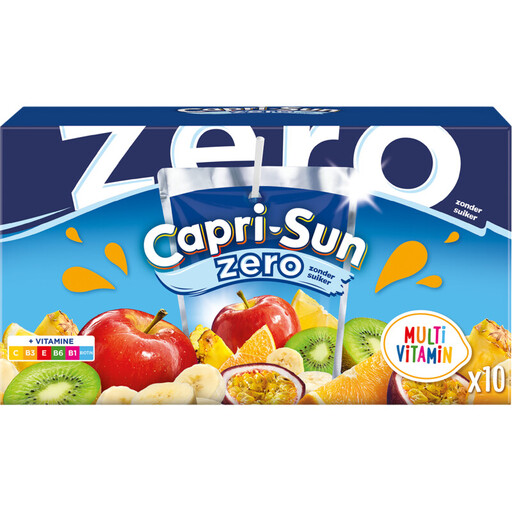
Why it suits this shopper: The 10 individual 200 ml packs are easy to keep track of and are handy for families, lunchboxes or keeping a small supply in the cupboard.
The smaller multipack means you don’t have to buy a large supply straight away. The product information lists 0 g of sugar and 3 kcal per 100 g; check the current packaging for the definitive labelling.
10 x 0.2 litres, a fruit drink with sweeteners and, according to the product description, no added sugar.
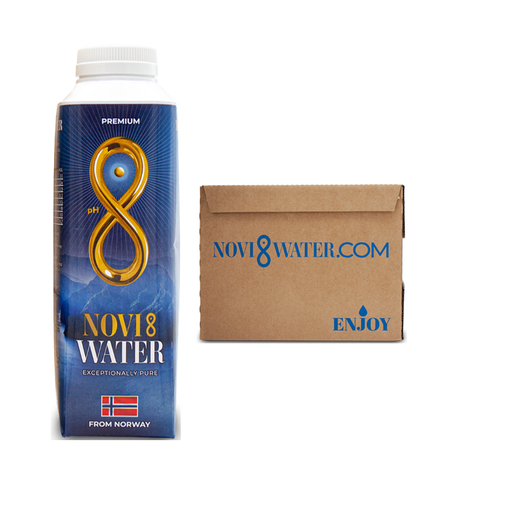
Why it suits this shopper: This water is a good choice if you’re looking for a simple drink with no sugar, sweeteners, caffeine or fizz, whether at home, at the office or on the go.
The ingredients list states natural water, with no complicated list of sweeteners. The 500 ml bottles are also smaller than large 1.5-litre bottles.
12 x 500 ml, sourced from Norway according to the product description, with no allergens listed.
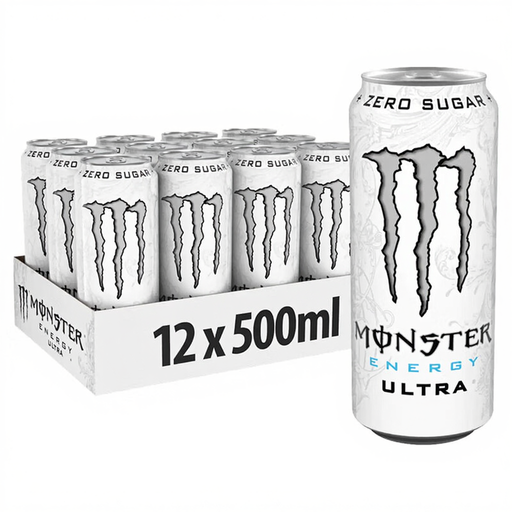
Why it suits this shopper: The pack of 12 500 ml cans is designed for regular use at work, on long days or when you want to keep a supply to hand.
The product information lists 0 g of sugar and 12 kcal per 100 ml, but also states that it contains caffeine. This makes it clear that sugar-free doesn’t mean caffeine-free.
12 x 500 ml, a citrus profile with lemon and grapefruit according to the product description, and clearly stated caffeine content.
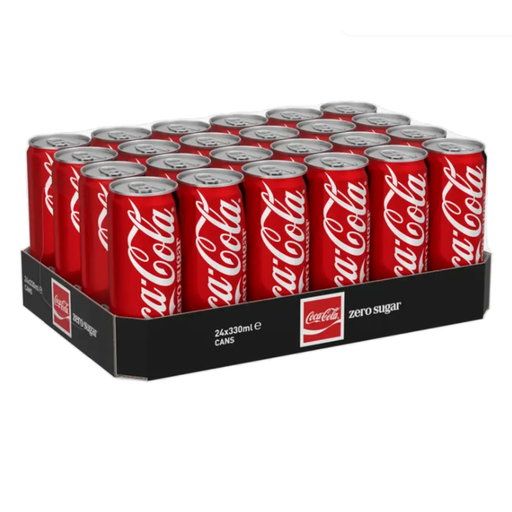
Why it suits this shopper: A 24-pack of 330 ml cans is handy for visitors, meetings or a household where soft drinks are enjoyed regularly.
The product information lists 0 g of sugar and 0 kcal per 100 ml. It also contains sweeteners and a source of phenylalanine, so check the label if you want to avoid these ingredients.
24 x 330 ml, cans and a product description focused on cola flavour without sugar.
We’ve put together a complete, up-to-date list of products that meet these strict selection criteria and the applicable European safety regulations.
No. Many zero-sugar soft drinks are low in calories, but always check the nutritional information per 100 ml. Acids, fruit ingredients or other components can contribute to the calorie content.
Sugar-free refers to the sugar content under the legal nutrition claim. No added sugar means that no extra sugar has been added during preparation. A fruit drink may still contain naturally occurring sugars. So check the full nutrition table.
Store cans and bottles in a cool, dry place, away from direct sunlight and heat. Check the best-before date on the packaging. Once opened, drinks should usually be kept chilled and consumed promptly, according to the product information.
