
Vandaag of morgen in huis

Kwaliteit gegarandeerd

Welkomstaanbiedingen ontgrendelen: GRATIS bezorging | Tot 80% korting | Gratis 30 dagen JoyPlus-proefperiode
Download de app
If you’re looking to cut down on sugar, you’ll quickly come across terms like zero, light, no added sugar and low-calorie online. These words don’t all mean the same thing. A drink might have no added sugar, for example, but still contain naturally occurring sugars. Likewise, “zero” tells you nothing about caffeine, sweeteners or the size of the packaging.
As a Joybuy Product Recommendation Officer, I filter the most important product information so you can compare offers in a practical way. These points will help you choose a drink that suits your taste, when you’ll be drinking it, and your household.
Coconut water with no added sugar can still contain natural sugars. The same goes for plant-based drinks. For instance, the product information for Alpro Soya Drink Vanilla shows 6.8 grams of sugar per 100 ml and lists sugar as an ingredient. So this isn’t a sugar-free drink, even though it’s a plant-based alternative.
Always check the “of which sugars” line in the nutrition table. Within the EU, the term “sugar-free” has a specific meaning: generally, a product can contain a maximum of 0.5 grams of sugars per 100 ml.
Many types of sugar-free cola contain caffeine. According to the product information, this applies to Pepsi Zero Sugar Cola and Pepsi Zero Strawberry & Cream Soda, for example. If you want to avoid caffeine, don’t just look at the sugar content – also check the ingredients and any warnings on the label.
There are clear alternatives, though. Coca-Cola Zero Sugar Caffeine Free lists no caffeine and, according to the nutritional information provided, contains 0 grams of sugar per 100 ml. Certain fruit infusions and herbal teas are also caffeine-free drinks.
A multi-pack of drinks might seem good value, but a pack of 6, 12 or 24 cans has a different usage profile. When comparing, calculate the price per can or per litre. Also pay attention to the shelf life, storage space and how many people will be drinking them.
For a household that uses them daily, a tray of 330 ml soft drink cans can be practical. For occasional use, a smaller pack can help avoid waste and storage issues.
Start with the nutritional values per 100 ml. Look at the following in order:
Sweeteners aren’t sugar, but they do affect the taste. Products containing aspartame must also carry the mandatory statement about being a source of phenylalanine. Always check the actual packaging, especially if you have allergies or specific dietary needs.
For daytime, evening or family use, caffeine-free drinks might be a better fit. Check the ingredients list for “caffeine”, coffee, tea extract or cola extract. A caffeine-free tea, chamomile infusion or fruit infusion is a different choice from a caffeine-free cola: the taste, preparation and packaging vary widely.
Don’t just compare the number of units, but also:
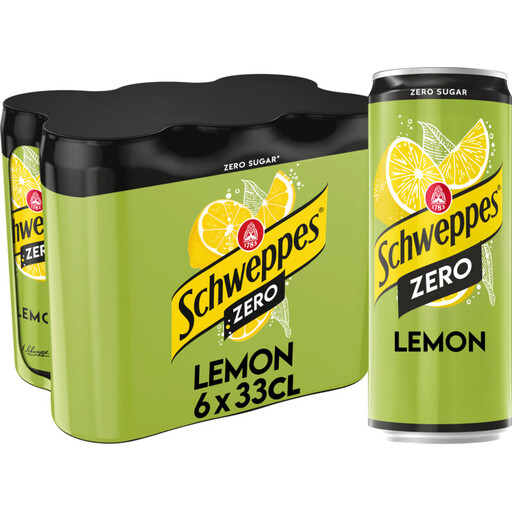
Why this fits the profile: A smaller pack is a manageable way to try a citrus flavour without committing to a large tray straight away.
The product information states 0 grams of sugar per 100 ml. Check the current ingredients list and nutritional values before purchase.
6 cans of 330 ml, lemon flavour and, according to the product information, none of the 14 major EU allergens.

Why this fits the profile: Ideal if you want a familiar cola taste but want to avoid both caffeine and sugar in one choice.
The product description explicitly states zero sugar and caffeine free. The ingredients list does contain sweeteners, including aspartame.
24 cans of 330 ml, 0.3 kcal and 0 grams of sugar per 100 ml according to the nutritional information provided.
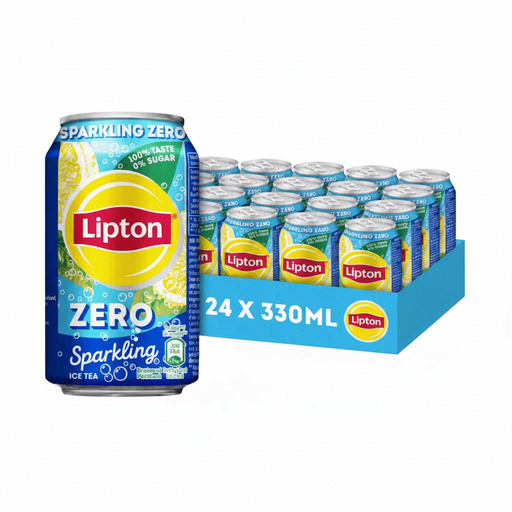
Why this fits the profile: A tray is handy for families, offices or occasions when you want to serve chilled drinks in individual portions.
The variant is described as zero and low-calorie. Do check the actual packaging for caffeine, sweeteners and nutritional values.
24 cans of 330 ml and a sparkling iced tea variant without sugar, according to the product description.
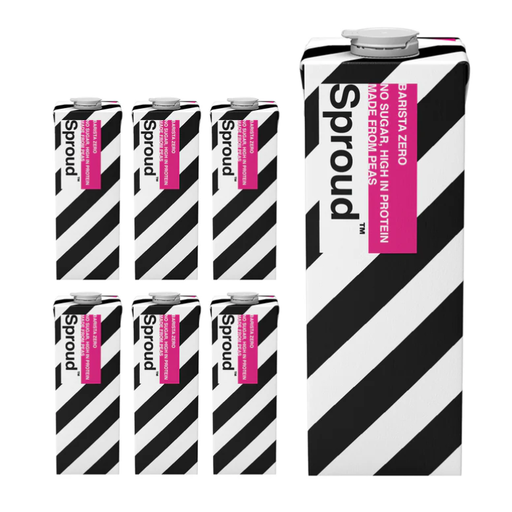
Why this fits the profile: Designed for anyone looking for a vegan drink without sugar or added sweeteners for coffee and tea.
The product description states no sugar and no added sweeteners. Always check the label for allergens and nutritional values.
Six 1-litre cartons, plant-based and, according to the product information, suitable for frothing.
We’ve put together a full, up-to-date list of products that fully meet these strict selection criteria and comply with current European safety regulations.
In practice, zero usually refers to a drink with very little or no sugar, where sweeteners are used for flavour. Always check the nutrition table and ingredients list. “Zero” also doesn’t automatically mean the drink is caffeine-free.
No. A plant-based drink can contain sugar from ingredients or because sugar has been added. Compare the “of which sugars” line per 100 ml. Also check for allergens, such as soya or gluten, if you’re looking for a lactose-free or vegan product.
A multi-pack often has a lower price per can, but that depends on the offer and the contents. Divide the total price by the number of cans and then also compare the volume. A pack of 24 x 330 ml is practical for regular use, while 6 cans can be more suitable for trying a new flavour first.
