
Vandaag of morgen in huis

Kwaliteit gegarandeerd

Welkomstaanbiedingen ontgrendelen: GRATIS bezorging | Tot 80% korting | Gratis 30 dagen JoyPlus-proefperiode
Download de app
When buying sugar-free drinks, shoppers often focus on words such as “zero”, “light” or “no added sugar”. It sounds straightforward, but these terms do not mean the same thing. A low calorie content, a large multipack and an appealing fruit flavour can also distract from the ingredients list.
This practical selection guide helps you compare sugar-free drinks, zero-sugar soft drinks, sugar-free iced tea, fruit drinks and tea using verifiable product information. That way, you can choose packaging that suits your household, taste preferences and drinking occasion.
A fruit drink with no added sugar may still contain natural sugars from fruit. Under European nutrition claim rules, “sugar-free” generally means a maximum of 0.5 grams of sugars per 100 millilitres. Always check the nutrition table rather than relying solely on the front of the packaging.
For example, Iam Superjuice may clearly state its fruit content. According to the product information, the mango version contains 30% mango juice and 17 kcal per 100 ml. That does not automatically make it equivalent to a soft drink containing zero grams of sugar; the current packaging remains the definitive source of information.
Zero-sugar soft drinks and low-calorie drinks often contain sweeteners. These may include sucralose, acesulfame-K, aspartame or steviol glycosides. If you want to avoid certain sweeteners, you need to read the ingredients list.
For example, Pepsi Zero Sugar carries a warning that the product contains a source of phenylalanine. This is due to the aspartame. Other products may also carry specific warnings. So do not just look for “0 kcal” or “0 grams of sugar”; check the full composition too.
A sugar-free soft drink multipack is convenient for families, guests or keeping a supply at home. Even so, it is worth calculating the price per litre or per can. A tray of 24 cans may offer good value if you drink soft drinks regularly, while smaller packs are more convenient for taking with you and take up less space.
Also consider the best-before date and your available storage space. A multipack needs to be stored in a cool, dry place away from direct sunlight and excessive heat.
Always compare products per 100 ml. This allows you to make a fair comparison between a 1.5-litre bottle and a 330 ml can. Pay attention to these three details:
For example, Capri-Sun Monster Alarm Zero Sugar states that it contains less than 0.5 grams of sugar and 3 kcal per 100 grams. The pack contains 10 pouches of 0.2 litres, making it practical for packed lunches, day trips or children who want to take a smaller portion with them.
Ingredients are listed in descending order by quantity. For fruit drinks, the fruit percentage is a useful point of comparison. Iam Superjuice Mangosteen states that it contains 30% mangosteen juice, while the product information says that the drink contains no added sugar. The mango, lychee, pink guava and passionfruit versions are also available in trays of 12 330 ml cans.
Also check:
“Vegan” does not automatically mean sugar-free. According to the product information, some plant-based drinks, such as certain soya drinks with fruit or banana flavour, do contain sugar.
For home use, parties and stocking up, trays of cans or bottles are convenient. For taking with you, single-serve packs are often easier. Also check the storage instructions after opening. An opened bottle of fruit drink generally needs to be refrigerated and used within the period stated on the packaging.
Tea has different considerations. Tea and herbal tea without added ingredients generally contain no sugar. However, check the ingredients, especially for herbal blends. For example, Zonnatura Natural Constipation Herbal Tea contains oats and lists gluten as an allergen. This is important information for anyone avoiding gluten.
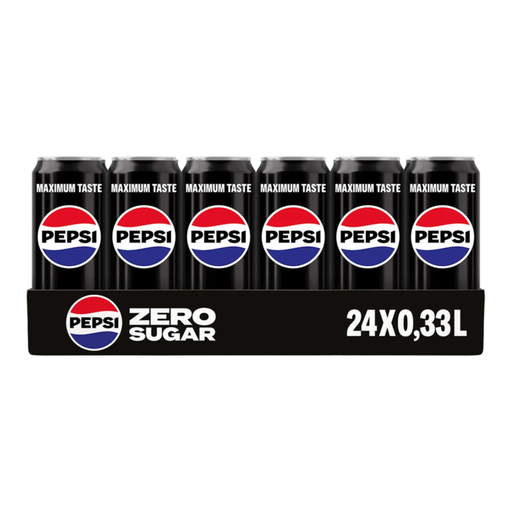
Why it suits this profile: A tray of 24 330 ml cans is ideal for households that regularly serve cola and want to compare the cost per serving.
The nutritional information states 0 grams of sugar and 0.4 kcal per 100 ml. The ingredients and phenylalanine warning are listed separately, so you do not have to rely solely on the front of the pack.
24 x 330 ml cans; 0 grams of sugar per 100 ml according to the product information; suitable for serving chilled.

Why it suits this profile: This option is ideal if you are looking for a distinct fruit profile and a tropical fruit drink with no added sugar.
The label states both 30% mango juice and “no added sugar”, as well as 17 kcal per 100 ml. This allows you to compare fruit content, energy and sweetener information side by side.
12 x 330 ml cans; 30% mango juice according to the product description; 17 kcal per 100 ml; suitable for serving chilled.
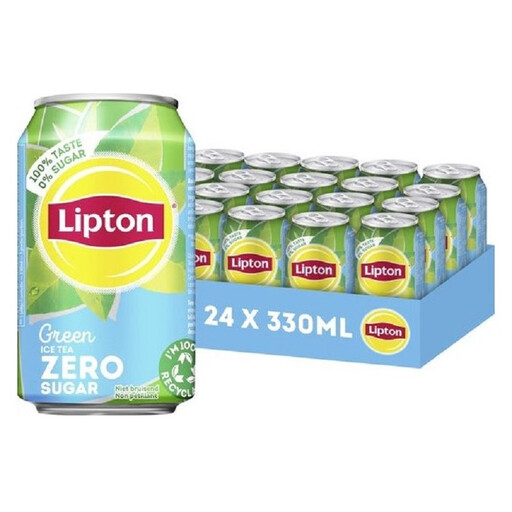
Why it suits this profile: A 24-pack is practical for parties, the office or a household where sugar-free iced tea is enjoyed regularly.
The product information states 0 grams of sugar and 1 kcal per 100 ml. It also lists ingredients including green tea extract, sucralose and steviol glycosides.
24 x 330 ml cans; 1 kcal per 100 ml; green tea extract; suitable for serving chilled.
We have put together a complete, up-to-date list of products that fully meet these strict selection criteria and the applicable European safety requirements.
Not always, although many products containing sweeteners are low in energy. Check the nutritional values per 100 ml and multiply them by the actual serving size. A drink containing 1 kcal per 100 ml provides approximately 3 kcal in a 330 ml serving. Fruit drinks with no added sugar may have higher values because of the natural sugars from the fruit.
Consider the serving size, caffeine, sweeteners and allergens. Capri-Sun Monster Alarm Zero Sugar comes in 200 ml pouches and is easy to take with you. Always check the current packaging and any age or usage information before buying. “Sugar-free” does not automatically mean that a drink is suitable for every child or every drinking occasion.
This varies from product to product. Store unopened cans and ambient-stable packaging in a cool, dry place, following the instructions on the pack. Once opened, fruit drinks and iced tea generally need to be refrigerated and consumed within the stated period. The date and instructions on the packaging are the definitive guide, as recipes and packaging may change.
