
Vandaag of morgen in huis

Kwaliteit gegarandeerd

Welkomstaanbiedingen ontgrendelen: GRATIS bezorging | Tot 80% korting | Gratis 30 dagen JoyPlus-proefperiode
Download de app
At first glance, sugar-free drinks seem simple to compare. Yet terms like “zero”, “no added sugar” and “light” can cause confusion. A multipack might also contain less drink than you expect, or a plant-based drink might not be suitable for coffee.
So when you buy sugar-free drinks online, it pays to look beyond the front of the packaging. Check the nutritional values, ingredients, caffeine, allergens and volume per pack. That way, you won’t end up with a large stock that doesn’t suit your taste or how you plan to use it.
A soft drink labelled zero typically contains 0 grams of sugar per 100 ml according to the label. The sweet taste usually comes from sweeteners. A product labelled “no added sugar” may still contain naturally occurring sugars.
A good example is coconut water. The IAM Superjuice Coconut Water is described as 100% coconut water, with no added sugar. That doesn’t automatically mean the product contains no natural sugars. So always check the full nutritional information table.
Many zero soft drinks and sugar-free colas contain caffeine. This is true for Coca-Cola Zero Sugar Soda and Pepsi Zero Sugar Cola, for example. If you’re looking for a drink for the evening, for children, or as part of a caffeine-free lifestyle, you need to search specifically for caffeine-free cola or check the ingredients list.
Coca-Cola Zero Sugar Caffeine Free Cola explicitly states that the drink contains no caffeine. The packaging also notes that the product contains a source of phenylalanine. If you have an allergy or intolerance, always check the current label.
Plant-based drinks vary widely in their composition. Alpro Soyadrink Original contains 2.5 grams of sugars per 100 ml according to the stated nutritional information, and includes sugar as an ingredient. This drink is therefore lactose-free and suitable for vegan and vegetarian diets, but it is not sugar-free.
With oat milk barista too, it’s important to look beyond the name. OATLY Oat Drink Barista Edition contains 3.4 grams of sugars per 100 ml according to the product information. Its main advantage lies in its frothing ability for coffee, not in avoiding sugar.
Always compare products based on the same quantity: per 100 ml. Pay particular attention to:
A tray of 24 cans can be practical for parties or stocking up, but first check how much you drink per serving. Coca-Cola Zero Sugar Caffeine Free Cola contains 0.3 kcal and 0 grams of sugar per 100 ml according to the product data. Pepsi Zero Sugar Cola states 0.4 kcal and 0 grams of sugar per 100 ml.
Zero soft drinks are often sweetened with combinations of aspartame, acesulfame-K or sucralose. If you want to avoid certain sweeteners, you need to read the ingredients list rather than relying solely on the word “zero”.
Also look out for warnings. Some products contain a source of phenylalanine. Pepsi Zero Strawberry & Cream lists caffeine. The right choice therefore depends on your preferred taste and the composition.
For daily use, a 1-litre carton can be more economical and create less packaging waste than individual cans. A 24 x 330 ml soft drink pack is handy when you want to keep portions chilled or need drinks for guests.
UHT products, such as soya drink, lactose-free milk and oat milk, can be stored outside the fridge unopened, according to the packaging. Once opened, they generally need to be kept refrigerated and used within the stated period. Store cans and bottles in a cool, dry place away from direct sunlight.
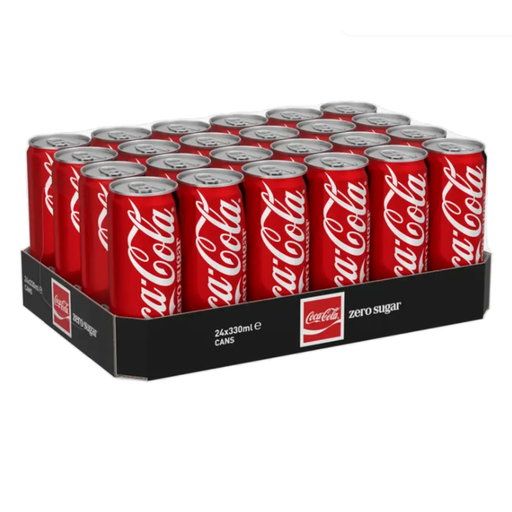
Why this fits the profile: A large multipack offers a practical stock for home, guests or a party. The cans are individually portioned and can be served chilled.
The product data states 0 grams of sugar per 100 ml. Do check the current label and be aware of the presence of caffeine.
24 cans of 330 ml; according to the product information, 0 grams of sugar and 0 kcal per 100 ml.
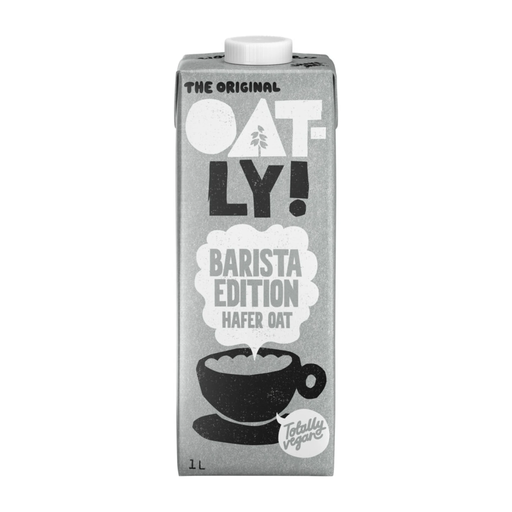
Why this fits the profile: This oat milk barista is designed for coffee drinkers looking for a plant-based alternative that, according to the product description, is suitable for frothing.
The product information makes it clear that this is not a sugar-free drink: it states 3.4 grams of sugar per 100 ml. This allows you to choose the drink specifically for coffee.
1-litre carton; contains 10% oats according to the product information; designed for frothing.
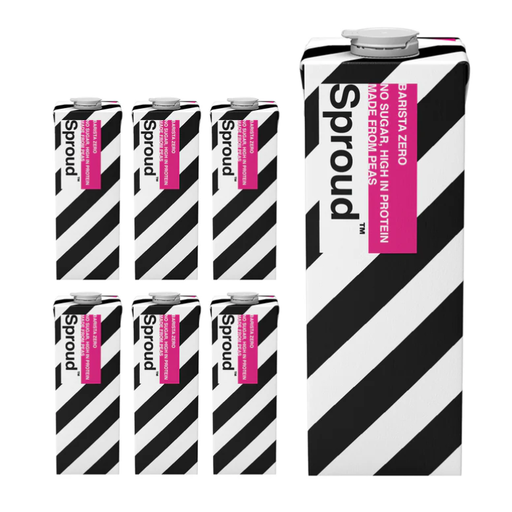
Why this fits the profile: A stock of six litres is aimed at frequent use in coffee, tea or latte preparations.
According to the product description, this barista drink contains no sugar or added sweeteners. Check the current packaging for nutritional values and allergens.
Six 1-litre cartons; according to the product description, suitable for frothing; plant-based product.

Why this fits the profile: This portion pack suits consumers looking for a vegan drink with no added sugar, whether for on the go or chilled use at home.
The product description states 100% coconut water and no added sugar. Compare this with coconut drinks that list sugar or syrup as an ingredient.
12 cans of 330 ml; according to the product information, 2% real coconut pieces; vegan and gluten-free according to the product description.
We’ve put together a full, up-to-date list of products that fully meet these strict selection criteria and comply with current European safety regulations.
Not always, but many zero soft drinks contain little energy according to the label. Check the value per 100 ml. A drink with no added sugar can still contain natural sugars and calories, such as coconut water or fruit juice.
Choose a barista variant if frothing is important. OATLY Oat Drink Barista Edition is developed for coffee, but according to the product information it does contain sugars. Sproud Barista ZERO is offered without sugar or added sweeteners according to the product description. Check the packaging for the current composition.
Store unopened products according to the instructions on the packaging, usually in a cool, dry place. Once opened, plant-based drinks and lactose-free milk generally need to go in the fridge. An opened can of soft drink is best kept chilled and used as soon as possible.
