
Vandaag of morgen in huis

Kwaliteit gegarandeerd

Welkomstaanbiedingen ontgrendelen: GRATIS bezorging | Tot 80% korting | Gratis 30 dagen JoyPlus-proefperiode
Download de app
Drinking less sugar may seem straightforward, but the label does not always tell the whole story. Packaging marked “zero”, “light” or “no added sugar” can indicate different product characteristics. Some drinks contain sweeteners, while others contain naturally occurring sugars. Caffeine, allergens, serving size and packaging can also make a difference.
If you want to order sugar-free drinks online, it is therefore worth looking beyond the front of the packaging. Below, you will find the key points to consider, along with a selection for different occasions.
Coconut water with no added sugar can still contain naturally occurring sugars. “No added sugar” means that no sugar was added during production; it does not automatically mean that the product contains zero grams of sugar.
Always check the nutrition table. Look specifically at:
This distinction is also relevant for plant-based milk. An unsweetened variety may have a noticeably different formulation from a vanilla version with added sugar.
Zero soft drinks and zero cola generally contain no sugar, but often do contain sweeteners such as aspartame, sucralose or acesulfame-K. This is a product characteristic, not a hidden flaw, but it may be important when making your choice.
Anyone who is sensitive to certain ingredients or has phenylketonuria should read the warnings on the label. Products containing aspartame generally state that they contain a source of phenylalanine.
Cola, energy drinks and some iced tea varieties may contain caffeine. A fruity or light flavour does not tell you anything about this. Look specifically for caffeine-free soft drinks or check the ingredients list.
Also watch out for confusion between different varieties within the same brand. A caffeine-free cola and a regular zero cola may be displayed next to each other, but they have different formulations.
Always compare products on the same basis. For example, a 330 ml can may contain virtually no sugar, while a plant-based drink may contain several grams of sugar per 100 ml. The value per 100 ml makes different pack sizes comparable.
For sugar-free soft drinks, you will often see 0 grams of sugar per 100 ml. For some products, rounding rules may mean that a small amount is still displayed as 0 grams. If in doubt, check the current packaging.
Ingredients are listed in descending order by quantity. Check, among other things:
A vegan drink is not automatically sugar-free. For example, according to the product information, Alpro Soya Drink Vanilla contains sugar and soya. Oatly Barista Edition contains oats and gluten and is not the same as a sugar-free barista drink.
A multipack containing 24 cans can be useful for a household, office or event. For personal use, a smaller pack may be more practical. Consider the storage requirements:
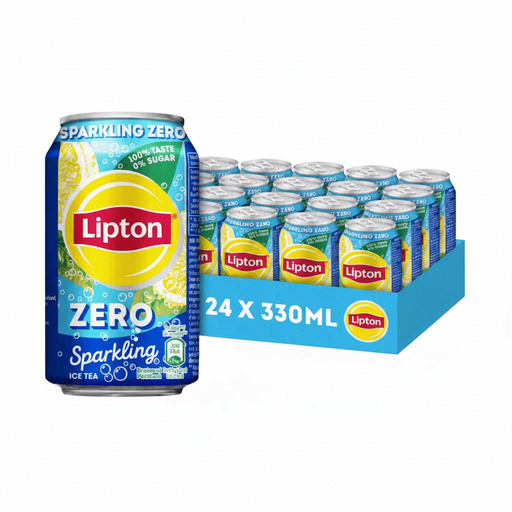
Why this suits the profile: A multipack of 24 330 ml cans provides a reliable supply for home, guests or the office. According to the product description, this variety contains no sugar.
The product information clearly states the sugar content and pack size. However, check the current packaging and ingredients before buying.
24 x 330 ml; sparkling iced tea; intended to be served chilled.
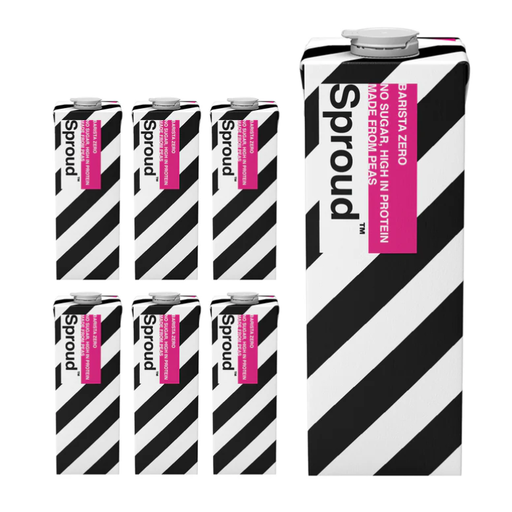
Why this suits the profile: According to the product description, this plant-based barista drink has been developed to produce a creamy texture and foam, without sugar or added sweeteners.
The name Barista ZERO makes the relevant distinction clear. Even so, check the ingredients list to confirm the formulation.
6 x 1 litre; plant-based; intended for coffee and tea; suitable for foaming according to the product description.

Why this suits the profile: For anyone looking for the taste of zero cola without caffeine. The 24-pack is well suited to regular use at home, in the office or at gatherings.
The product description explicitly states “caffeine free” and lists 0 grams of sugar per 100 ml. The product does contain sweeteners and carries a warning about phenylalanine.
24 x 330 ml; 0 grams of sugar per 100 ml according to the product information provided; caffeine-free according to the product description.

Why this suits the profile: The product information states that it contains 100% coconut water, 2% real coconut pieces, no added sugar and has a vegan product profile.
The claim refers to no added sugar, not automatically to zero sugar. Check the nutritional values on the packaging.
12 x 330 ml; ready to drink; coconut pieces; vegan and gluten-free according to the product description.
We have compiled a complete, up-to-date list of products that fully meet these strict selection criteria and the applicable European safety regulations.
A low price per can is not the only criterion. Calculate the price per litre or per 100 ml when comparing different sizes. A tray of 24 cans is practical, but takes up more storage space. For a business or family, a multipack may still make more sense than individual packs.
For plant-based milk, how often you use it is also important. A 1-litre pack is suitable for daily coffee, while a 6-pack is useful when several people use barista oat milk. Always check the storage instructions after opening.
In practice, zero usually refers to a soft drink without sugar, sweetened with sweeteners. Always check the nutrition table and ingredients list, as formulations can vary between brands and flavours.
This is usually stated clearly on the packaging. According to the product information, Coca-Cola Zero Sugar Caffeine Free is caffeine-free. Herbal tea, such as chamomile tea, is also generally sold without caffeine. Always check the specific variety when buying iced tea or cola.
No. Plant-based milk may contain naturally occurring sugars or sugar as an ingredient. A barista drink is also mainly developed for foaming; “barista” alone says nothing about the sugar content. Check the nutritional value per 100 ml and the full ingredients list.
