
Vandaag of morgen in huis

Kwaliteit gegarandeerd

Welkomstaanbiedingen ontgrendelen: GRATIS bezorging | Tot 80% korting | Gratis 30 dagen JoyPlus-proefperiode
Download de app
Sugar-free drinks may seem easy to compare: look for “zero sugar”, choose a well-known brand and add a multipack to your basket. However, small differences in caffeine content, serving size, sweeteners, packaging and nutritional values can determine whether a purchase is right for you.
As a Joybuy Product Recommendation Officer, I filter product information according to verifiable specifications. This helps you quickly see which drink is suitable for everyday use, on the go, at work or for stocking your cupboard at home.
A zero-sugar soft drink generally contains no sugar, but it may contain sweeteners such as aspartame, sucralose, acesulfame-K or saccharin. Always check the ingredients list. If you need to avoid phenylalanine, pay particular attention to products containing aspartame. For example, Coca-Cola Zero Sugar and Pepsi Zero Sugar state that they contain a source of phenylalanine.
The term “no added sugar” also requires attention. A fruit drink may contain naturally occurring sugars. For example, the available product information for Maaza Guava Sugar Free Drink lists 11.2 grams of sugar per 100 ml, despite the name “Sugar Free”. This is precisely why the label is more important than the front of the packaging alone.
Sugar-free energy drinks usually contain few calories, but they can still provide a significant amount of caffeine. According to the product information, Red Bull Sugarfree and Red Bull Green Edition Sugarfree contain 32 mg of caffeine per 100 ml. A 250 ml can therefore contains approximately 80 mg of caffeine.
The product information states that these drinks are not recommended for children, pregnant women or breastfeeding women. Monster Energy products also contain caffeine and sometimes come in larger cans. So pay attention to both the size and the caffeine content per 100 ml.
A soft drink multipack can be convenient for a household, office or student accommodation, but compare the price per litre. Twelve 500 ml bottles contain 6 litres in total; 24 330 ml cans contain 7.92 litres. As a result, a lower price per pack tells you little without doing this calculation.
Also consider storage space, any applicable deposit and the best-before date. A large pack is only practical if you can use the drinks within a reasonable period.
Look at the nutritional values per 100 ml, rather than relying solely on the claim on the packaging. According to the available product information, Coca-Cola Zero Sugar contains 0 grams of sugar and 0.3 kcal per 100 ml. Pepsi Zero Sugar lists 0 grams of sugar and 0.4 kcal per 100 ml.
Values may differ for fruit drinks. According to the product description, Capri-Sun Monster Alarm Zero Sugar contains 7% fruit juice and less than 0.5 grams of sugar per 100 grams. A small 200 ml pack may be suitable for taking with you, but it offers a different drinking experience from a 1-litre bottle.
For standard cola, caffeine is often an additional flavour component. In energy drinks, caffeine is a central part of the product composition. Therefore, check:
According to Red Bull’s own information, Red Bull Sugarfree contains taurine and B vitamins. This is a product characteristic, not a guarantee of any particular effect. Use the official packaging as your guide.
500 ml PET bottles are resealable and practical for taking with you. 250 ml cans are designed as individual portions, while Monster Energy Ultra White is available in 12 cans of 500 ml. Small 200 ml bottles or pouches are easy to take to school, work or on a day trip.
Also check that the packaging is undamaged and store opened drinks in the fridge according to the instructions. For products with a seal, do not use them if the seal is damaged before opening.
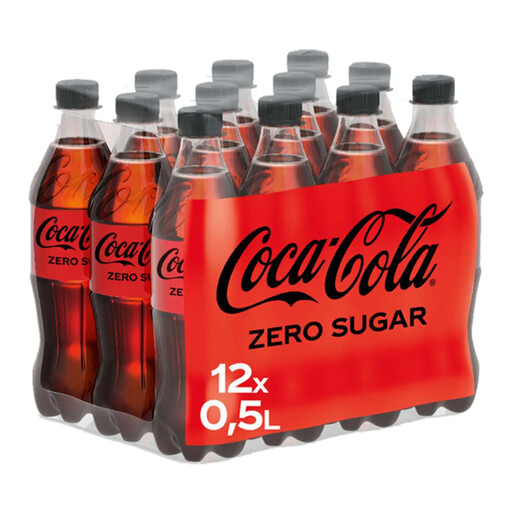
Why it suits this profile: The resealable 500 ml bottles are suitable for home, the office and when you’re out and about. The pack makes it easy to calculate the price per bottle and per litre.
The product information lists 0 grams of sugar and 0.3 kcal per 100 ml. However, check whether it contains aspartame and acesulfame-K.
12 x 500 ml bottles, resealable PET packaging and clear nutritional values per 100 ml.
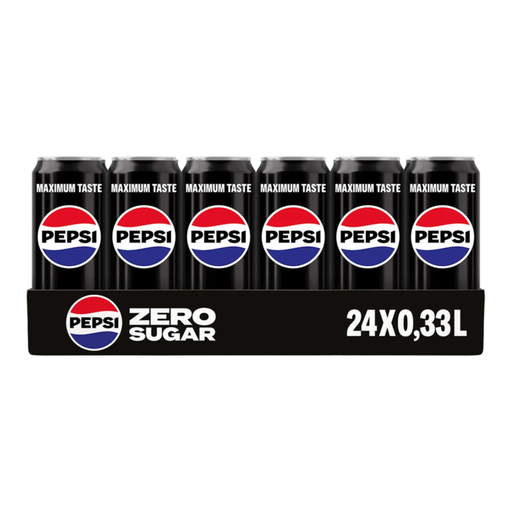
Why it suits this profile: This multipack of cans is ideal for households and workplaces where keeping a regular supply of individual portions is important.
The contents are clearly specified as 24 x 330 ml. This means you can immediately compare the total quantity with other multipacks.
0 grams of sugar and 0.4 kcal per 100 ml according to the product information; 24 individual 330 ml cans.
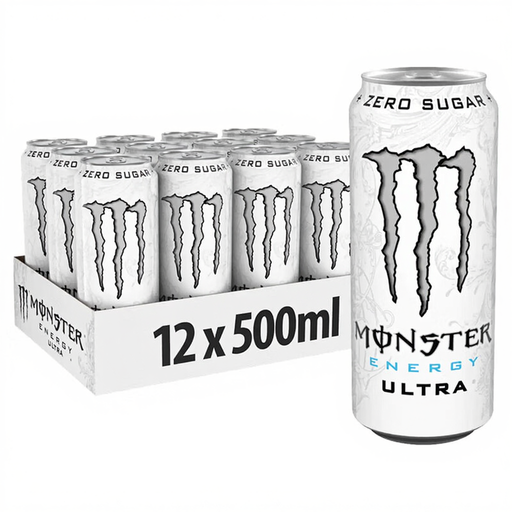
Why it suits this profile: The larger cans and citrus description suit users looking for a generous serving for work, study or when they’re on the go.
The sugar content is listed as 0 grams per 100 ml. However, check the caffeine content and warnings on the current packaging.
12 x 500 ml, citrus profile and 0 grams of sugar according to the product description.
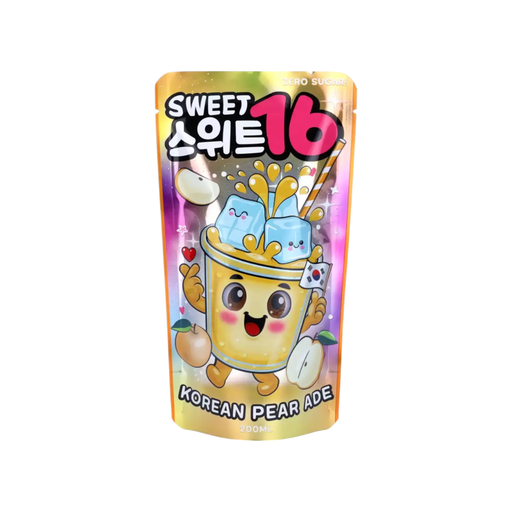
Why it suits this profile: The 200 ml serving and Korean pear flavour offer an alternative to traditional cola and energy drinks.
The product description states zero sugar and none of the 14 major EU allergens. Check the current packaging for the complete ingredients list.
200 ml per bottle, pear flavour and a product description with no major EU allergens listed.
We’ve put together a complete, up-to-date list of products that fully meet these strict selection criteria and the applicable European safety regulations.
Not always, but many zero-sugar soft drinks contain little energy because sugar has been replaced with sweeteners. Check the nutritional value per 100 ml. A product containing 0 grams of sugar may still contain other carbohydrates or ingredients.
This varies by brand and product variant. Compare the caffeine content per 100 ml and calculate the amount for the full pack. For example, Red Bull Sugarfree lists 32 mg per 100 ml. A larger can therefore contains more caffeine overall, even when the amount per 100 ml remains the same.
Store unopened drinks in a cool, dry place away from direct sunlight. Once opened, bottles and cans should be refrigerated according to the product instructions. Always check the best-before date and packaging when buying, particularly for multipacks you intend to store for longer.
