Who is this choice important for?
Whether a currant bun is right for your weekend breakfast depends on what you’re looking for: a product labelled ‘sugar-free’, a currant bun whose sugar content you want to compare, or a breakfast with more of a focus on fibre.
People looking for something strictly sugar-free
If ‘sugar-free’ is a must, a claim about no added sugars isn’t enough. The Voedingscentrum sets the limit for ‘sugar-free’ at 0.5 g of sugars per 100 g; the standard currant buns listed from Albert Heijn, Jumbo and PLUS are above that limit.
Weekend breakfast fans comparing sugar levels
You want to keep eating currant buns, but pay close attention to the sugars per 100 g and the size of each bun. Compare total sugars and, where listed, added sugars separately: raisins and currants also contribute to the total sugar content.
Breakfast shoppers keeping an eye on fibre
If fibre matters more to you than the flavour and soft texture of a currant bun, you could also consider a wholemeal breakfast product. According to the Voedingscentrum, wholegrain products contain more fibre than comparable products made with white flour. Also compare the nutritional information for the products you’re considering.
What should you look for when choosing?
First, decide whether ‘sugar-free’ is a requirement for you. If you’re mainly comparing currant buns or considering a different breakfast option, the sugars, fibre and portion size on the label become more important.
| What to consider |
What to check |
Who it’s for |
| Strictly sugar-free |
Look for the ‘sugar-free’ claim and check ‘of which sugars’ per 100 g; the Voedingscentrum sets the limit at 0.5 g per 100 g. |
If I genuinely need a sugar-free product, a standard currant bun with a higher total sugar content isn’t an alternative. For around 50% of consumers, this is the most important requirement. |
| Sugars in a currant bun |
Compare ‘of which sugars’ per 100 g and the portion size; check added sugars and ingredients separately if that information is provided. |
I still want a currant bun with my weekend breakfast, but I want to choose how much sugar my portion contains. Around 30% of consumers prioritise this comparison. |
| Fibre as a priority |
Compare fibre per 100 g and check whether an alternative is actually a wholegrain product. |
If fibre matters more to me than a soft bun with currants, I want the option of choosing a different breakfast base. Around 20% of consumers prioritise this. |
Brands and own-label options to compare
These product ranges give you a starting point for comparing currant buns; a brand name alone doesn’t tell you whether a particular variety is sugar-free.
Albert Heijn
AH Raisin Currant Buns are listed in a pack of six.
- Albert Heijn lists 25 g of sugars per 100 g, including 2.2 g of added sugars, and 2.9 g of fibre.
- Based on the stated sugar content, this variety doesn’t meet the Voedingscentrum’s limit for ‘sugar-free’.
Jumbo
Jumbo Raisin Currant Buns are listed in a pack of six.
- Jumbo lists 24.0 g of sugars and 2.8 g of fibre per 100 g.
- If you’re looking for a sugar-free option, this variety can’t be considered one. If you have allergies, also check the label for cereals containing gluten and milk.
PLUS
PLUS lists both standard currant buns and a longer-lasting variety.
- The standard variety lists 25.2 g of sugars per 100 g, including 1.59 g of added sugars, and 3.3 g of fibre.
- The longer-lasting variety lists 25.5 g of sugars per 100 g. Check which pack you’re comparing, and read the label if you have allergies.
ALDI
ALDI lists Raisin Currant Buns in a pack of six.
- The product description makes clear what type of currant buns it is and how they’re packaged.
- Check the nutritional information and allergens on the packaging before comparing this variety’s sugar content with another product.
Lidl
Lidl lists standard currant buns in packs of six and mini raisin currant buns in packs of nine.
- Lidl describes the mini variety as being made with butter, a relevant difference between the two products listed.
- Compare the nutritional information and allergens on the packaging of the exact variety you choose.
Wholemeal breakfast alternatives at Joybuy
These breakfast cereals and crispbreads are options to consider if you’d like a different breakfast base from a currant bun. An alternative format or a wholegrain ingredient doesn’t automatically make a product sugar-free, so always compare the ‘of which sugars’ figure per 100 g on the packaging.
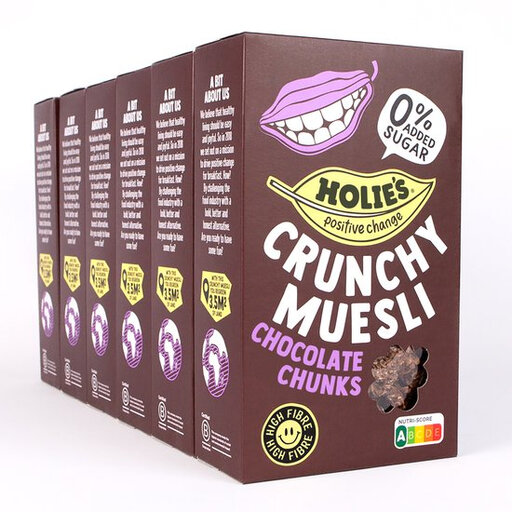 Image unavailable
Holie's Crunchy Muesli Chocolate Chunks, 6 × 400 g
This crunchy muesli is an option for a cereal-based breakfast instead of a soft currant bun.
Pack size: 6 × 400 g. Check the packaging for sugars per 100 g and allergens if they’re relevant to your choice.
View at Joybuy
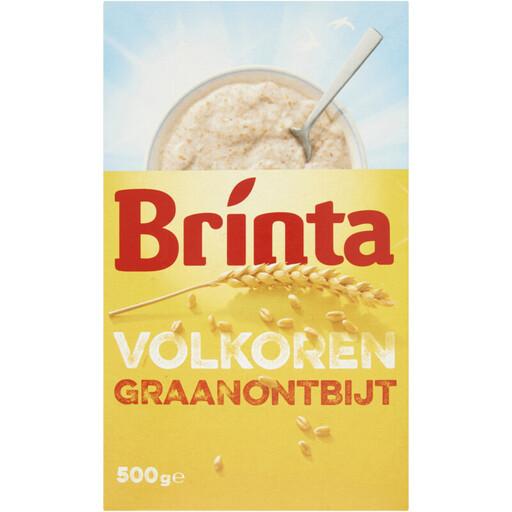 Image unavailable
Brinta Whole Wheat Cereal Breakfast, 500 g
This wheat cereal offers a different breakfast base if you don’t want a currant bun.
Pack size: 500 g. Compare the nutritional information per 100 g and check the label if wheat or gluten is relevant to your choice.
View at Joybuy
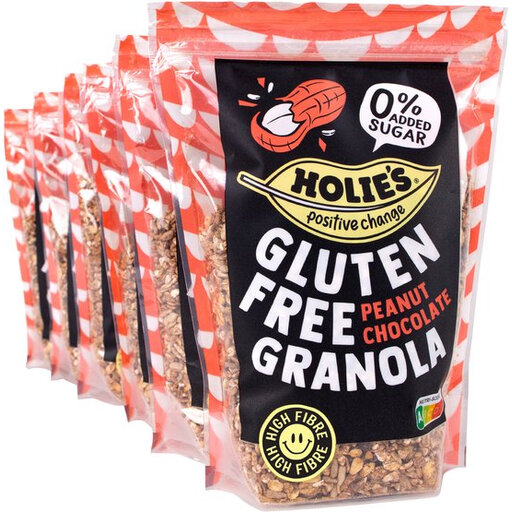 Image unavailable
Holie's Granola Glutenfree Peanut Chocolate, 6 × 330 g
This granola is a breakfast option if you’re not looking for the soft texture and currant flavour of a currant bun.
Pack size: 6 × 330 g. Don’t assume it’s sugar-free or suitable for your allergies based on the product name alone; check the packaging.
View at Joybuy
 Image unavailable
g'woon Wholemeal Crispbread, 375 g
This crispbread is an alternative if you’d prefer a crunchy breakfast base to a soft currant bun.
Pack size: 375 g. Compare sugars and fibre per 100 g, and check the ingredients list if you have questions about allergens.
View at Joybuy
Frequently asked questions
Does ‘no added sugars’ mean the same as ‘sugar-free’?
No, the claims don’t mean the same thing. According to the Voedingscentrum, ‘sugar-free’ means no more than 0.5 g of sugars per 100 g. A product with no added sugars can still contain ingredients such as raisins and currants, which contribute to the ‘of which sugars’ figure on the label.
Are standard currant buns a sugar-free option?
Not the standard varieties listed by Albert Heijn, Jumbo and PLUS: their product information gives sugar values of 24.0 to 25.5 g per 100 g. Assess any other variety using the label on that specific pack, rather than relying on the product category.
What if I mainly want to focus on fibre at breakfast?
Compare wholemeal breakfast products with currant buns too. The Voedingscentrum states that wholegrain products contain more fibre than products made with white flour. Check the fibre and sugars per 100 g for each product, as ‘wholemeal’ doesn’t mean ‘sugar-free’.
Does every currant bun contain iodised salt?
You can’t assume that every currant bun does. The Netherlands Food and Consumer Product Safety Authority explains that iodine compounds may only be present in bakery products through baker’s salt. This requirement doesn’t confirm that every manufacturer uses iodised salt in every currant bun. Check the ingredients list on the specific pack or ask the manufacturer.
Which allergens should I check in currant buns?
Always read the allergen information on the specific pack. Cereals containing gluten and milk are relevant for the products listed from Albert Heijn, Jumbo and PLUS; don’t assume another variety has the same ingredients.


