A standard currant bun isn’t suitable if you’re looking for a product that can be labelled sugar-free. Under Regulation (EC) No 1924/2006, a solid food must contain no more than 0.5 g of sugars per 100 g to make that claim. The currant buns from Albert Heijn, Jumbo and PLUS featured in this article list between 24 and 25.2 g per 100 g. If you’re mainly watching your added sugar intake, compare the ingredients and nutritional information on the exact pack. If you’re looking for a genuinely sugar-free snack, consider options outside the currant bun category too, and check your cinema’s rules before you buy.
Who is this choice for?
Readers looking for a genuinely sugar-free option
For you, the total amount of sugars is what matters, not just the amount of sugar that has been added. Under Regulation (EC) No 1924/2006, a solid product can contain no more than 0.5 g of sugars per 100 g to be labelled sugar-free.
Snackers keeping an eye on added sugars
You’d still like to consider a currant bun, but want to distinguish between added sugars and sugars overall. The Voedingscentrum explains that a product with no added sugars can still contain sugars.
Cinema-goers who like to plan ahead
You want to know whether you can bring a snack you’ve bought yourself and what pack size would suit you. Pathé does not allow food and drink from outside, so check the rules at the cinema you’re visiting.
What should you look for when choosing?
First decide whether sugar-free is an absolute requirement. Only then compare currant buns for added sugars, ingredients and portion size, or choose a different kind of snack.
| What to consider | What to check before buying | Who it matters to |
|---|
| Genuinely sugar-free |
Compare the ‘of which sugars’ figure per 100 g with the limit of 0.5 g per 100 g under Regulation (EC) No 1924/2006. |
If sugar-free is an absolute requirement for me, I want to know whether a snack meets that limit; around 42% of consumers put this first. |
| Added sugars |
Read the ingredients and compare the stated added sugars and total sugars on the same per-100 g basis. |
I’d still like to eat a currant bun, but I’m mainly watching what sugars have been added. For around 25% of consumers, this is the main consideration. |
| Ingredients and allergens |
Read the allergen information and any ‘may contain’ warning on the exact pack. |
If ingredients or allergens determine my choice, I want to be able to check the pack before buying; around 17% of consumers prioritise this. |
| Cinema rules and portion size |
Check your cinema’s rules, then choose a suitable pack size. |
For a film, I want to know whether I can take my snack in and how much I’ll need beforehand. Around 16% of consumers put this practical consideration first. |
Common mistakes
-
Reading ‘no added sugars’ as ‘sugar-free’
The Voedingscentrum explains that a product with no added sugars can still contain sugars, for example from the ingredients used.
If sugar-free is an absolute requirement, check the total sugars per 100 g. Under Regulation (EC) No 1924/2006, a solid product must contain no more than 0.5 g per 100 g to make the sugar-free claim.
-
Only looking at the front of the pack
The currant buns from Albert Heijn, Jumbo and PLUS list different amounts of total and added sugars. Ingredients and allergens also need to be checked for each variant.
Compare the nutritional information per 100 g and read the ingredients and allergen information on the pack you’re buying.
-
Buying a snack without checking the cinema’s rules
Pathé states that food and drink from outside are not allowed. This house rule doesn’t tell you what the rules are at every other cinema.
Check the rules at your cinema before buying, and decide whether you want to eat the snack on the way or before the film.
Brands compared
Albert Heijn
Albert Heijn provides nutritional information for AH Extra lang lekker rozijnen krentenbollen, sold in a pack of 10.
- The product information lists 24 g of total sugars and 2 g of added sugars per 100 g.
- This variant isn’t sugar-free. If you have an allergy, check the ingredients on the exact pack, including wheat and milk.
Jumbo
Jumbo Rozijnen Krentenbollen are listed as a pack of 6.
- Jumbo lists 24 g of sugars per 100 g and 15.6 g per 65 g bun, so you can compare both amounts.
- This variant isn’t sugar-free. The product information lists wheat and milk and warns that other allergens may be present.
PLUS
PLUS provides nutritional information for its currant buns, sold in a pack of 6.
- The stated figures are 25.2 g of total sugars and 1.59 g of added sugars per 100 g.
- This variant isn’t sugar-free. If you need to avoid an allergen, check the information on the exact pack, including the details for wheat, rye and milk.
Lidl
Lidl lists currant buns as a shop product sold in a pack of 6.
- The stated pack size can help you decide how many buns to buy.
- Before choosing this variant to meet a sugar or allergen requirement, check the nutritional information and allergens on the pack in store.
A different kind of snack on Joybuy
This konjac jelly is a different kind of snack from a currant bun. Check the latest nutritional information before choosing it to meet a strict sugar-free requirement, and bear your cinema’s rules in mind.
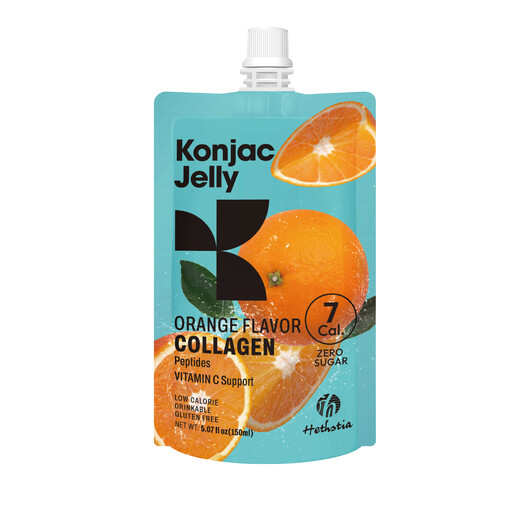 Image unavailable
Hethstia Konjac Jelly Collagen Peptides Orange 155 g
If you’re considering a different kind of snack alongside currant buns, this is orange-flavoured konjac jelly, not a currant bun. Check the pack for total sugars per 100 g and for allergens if they’re relevant to your choice.
View on Joybuy
Frequently asked questions
Is a standard currant bun sugar-free?
The standard currant buns compared here aren’t: Albert Heijn and Jumbo each list 24 g of sugars per 100 g, while PLUS lists 25.2 g. Under Regulation (EC) No 1924/2006, a solid product must contain no more than 0.5 g of sugars per 100 g to make the sugar-free claim. Check the label of any other variant to assess it.
Does ‘no added sugars’ mean a currant bun contains no sugars?
No. According to the Voedingscentrum, sugars can occur naturally in ingredients, even if no sugars or other products used for their sweetening properties have been added. So check the ‘of which sugars’ figure per 100 g.
Can I take a currant bun I’ve bought myself into the cinema?
Check the rules at the cinema you’re visiting. Pathé states that food and drink from outside are not allowed; don’t assume the same applies to other cinemas.
Can I assume that a Dutch currant bun contains iodised baker’s salt?
No, the product name doesn’t tell you what salt has been used in a particular currant bun. The Convenant on the Use of Baker’s Salt, published in the Government Gazette in 2008, describes efforts to encourage the use of iodised salt. If this affects your choice, check the ingredients list of the variant you’re buying.


