
Shoppers looking for strictly sugar-free options
You want a breakfast cereal that meets the threshold for the ‘sugar-free’ claim. So check ‘of which sugars’ per 100 g, rather than relying on words such as ‘unsweetened’ on the front of the pack.


Only consider cornflakes sugar-free if the nutrition information lists no more than 0.5 g of sugars per 100 g. Under Regulation (EC) No 1924/2006, ‘no added sugars’ is a different claim. For a weekday breakfast with no added sugar, you can compare unsweetened cornflakes with other breakfast cereals, but also check the fibre content, ingredients, sweeteners and allergens.
You want a breakfast cereal that meets the threshold for the ‘sugar-free’ claim. So check ‘of which sugars’ per 100 g, rather than relying on words such as ‘unsweetened’ on the front of the pack.
You’re looking for a flake base for a weekday breakfast with no sugar added as an ingredient. The ingredients list and nutrition information can help you decide whether a product suits your needs.
You also want to consider fibre content when choosing a quick breakfast. Compare cornflakes with wholegrain flakes or porridge oats, without assuming that less sugar automatically means more fibre.
First decide whether you’re looking for a strictly sugar-free option or mainly want to avoid added sugar. Then compare the fibre content and how to prepare products that meet your first requirement.
| What to consider | What to check when buying | Who it matters to |
|---|---|---|
| Sugar claim | Check ‘of which sugars’ per 100 g. Under Regulation (EC) No 1924/2006, the ‘sugar-free’ claim is subject to a maximum of 0.5 g of sugars per 100 g. | I don’t just want to avoid added sugar; I want to choose cornflakes that can genuinely be called sugar-free. This strict requirement comes first for around 50% of shoppers. |
| Fibre | Compare the fibre content per 100 g and check which types of grain are listed in the ingredients. | If fibre is my top priority, I’ll also consider wholegrain flakes rather than just cornflakes; around 30% of shoppers prioritise this. |
| Breakfast routine | Check whether the product is ready to serve or needs preparing, and read the ingredients and allergen information. | I need to get breakfast ready on a working day without much effort. For around 20% of shoppers, convenience matters most. |
A product with no added sugar can still contain sugars. According to Jumbo, Smaakt Bio Cornflakes Ongezoet contains 1.0 g of sugars per 100 g, which is above the threshold for the ‘sugar-free’ claim.
If you want a strictly sugar-free option, use the current ‘of which sugars’ value per 100 g as your deciding factor.
Cornflakes and wholegrain flakes can also differ in fibre content. Jumbo lists 3.1 g of fibre per 100 g for Smaakt Bio Cornflakes Ongezoet and 7.2 g per 100 g for Jumbo Special Flakes.
Compare the fibre content per 100 g and the types of grain in the ingredients list, as well as the sugars.
Jumbo Special Flakes lists maltitols and contains wheat and barley malt extract. For Smaakt Bio Cornflakes Ongezoet, Jumbo warns of possible traces of, among other things, cereals containing gluten, milk, nuts, peanuts, sesame and soya.
If you want to avoid sweeteners or need to exclude certain allergens, read the full ingredients and allergen information on the current packaging.
Smaakt Bio Cornflakes Ongezoet are cornflakes for anyone looking for a short ingredients list.
Jumbo Special Flakes are a different type of product from classic cornflakes and carry the claim ‘no added sugars’.
Kellogg's Corn Flakes are standard cornflakes with added vitamins and iron.
These Joybuy products are oat flakes, porridge oats and Cruesli: alternatives to consider alongside cornflakes for a weekday breakfast. Check the current sugars per 100 g for each product; ‘Zero Sugar’ in a product name doesn’t, by itself, prove that it meets the sugar-free threshold.
 Image unavailable
An option if you’re considering oat flakes as well as cornflakes for weekday breakfasts.
Check the sugars and fibre per 100 g on the current packaging, especially if sugar-free or fibre content is your top priority. If you want to serve the flakes straight away, also check how they need to be prepared.
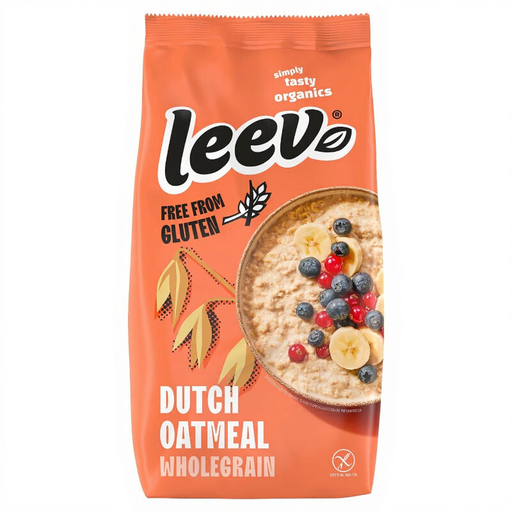 Image unavailable
Porridge oats are an alternative if you want to compare other grain products with cornflakes at breakfast.
Compare the sugars and fibre per 100 g with your other options. If you’re avoiding gluten, check the current packaging: the product description and allergen information give conflicting details.
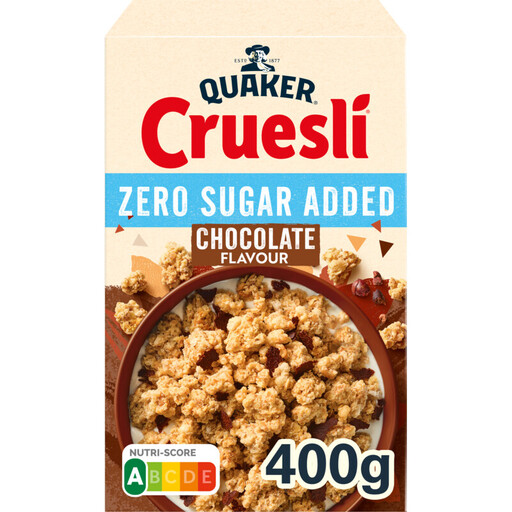 Image unavailable
Cruesli is a different category from cornflakes and could be another option to compare for a weekday breakfast.
Don’t assume that ‘Zero Sugar’ in the product name means this variety is sugar-free. Check the sugars and fibre per 100 g on the current packaging, and read the ingredients and allergen information.
No. Under Regulation (EC) No 1924/2006, the ‘sugar-free’ claim can only be used when a product contains no more than 0.5 g of sugars per 100 g or 100 ml. A product with no added sugars may still contain naturally occurring sugars, so check the nutrition information too.
Yes. According to Jumbo, Smaakt Bio Cornflakes Ongezoet contains 1.0 g of sugars per 100 g, even though the ingredients list names only maize. So ‘unsweetened’ is no substitute for checking the sugar content.
Because the sugar content doesn’t tell you how much fibre a breakfast cereal contains. If fibre matters to you, compare the values per 100 g and decide whether you want cornflakes or another grain product, such as wholegrain flakes.
Not always. Jumbo Special Flakes carry the ‘no added sugars’ claim but list maltitols. The Netherlands Nutrition Centre advises reading the label for information about sweeteners, so check the ingredients list if you want to avoid them.