
If you’re keeping a close eye on sugar
You want to avoid mistaking a product labelled ‘reduced sugar’ or ‘no added sugar’ for a sugar-free one. The ‘of which sugars’ figure per 100 g helps you assess the total amount.


If you’re looking for genuinely sugar-free chocolate bread toppings for breakfast or a snack while studying, check the ‘of which sugars’ figure per 100 g. ‘Reduced sugar’ and ‘no added sugar’ mean something different. If chocolate flavour is your priority, you could also consider reduced-sugar chocolate sprinkles or regular chocolate flakes, but these are different choices from strictly sugar-free toppings. Also think about what you’ll have as a base: bread toppings aren’t a whole meal.
You want to avoid mistaking a product labelled ‘reduced sugar’ or ‘no added sugar’ for a sugar-free one. The ‘of which sugars’ figure per 100 g helps you assess the total amount.
You’re open to trying reduced-sugar chocolate sprinkles as an alternative to chocolate flakes. If so, compare the ingredients and polyols, and check for any warnings on the packaging.
First decide what you want to eat while studying, such as wholemeal bread, then decide whether to add chocolate flakes as a topping. The Netherlands Nutrition Centre suggests wholemeal bread as a breakfast base.
Your choice depends on what matters most to you: a strict limit on total sugars, chocolate flavour with less sugar, or regular chocolate flakes as a topping for a breakfast or snack of your choice.
Choose this when: You want a product that meets the threshold for the ‘sugar-free’ claim.
The trade-off: The claim alone tells you nothing about the rest of the nutritional value or what else is in your breakfast.
Choose this when: You want chocolate bread toppings and are happy to try sprinkles instead of chocolate flakes.
The trade-off: Reduced sugar doesn’t mean sugar-free; the recipe may also contain polyols.
Choose this when: You want a familiar chocolate topping and don’t have a strict requirement for a sugar claim.
The trade-off: Check the sugar content on the packaging of the variety you choose; don’t assume it’s low because it’s labelled ‘dark’.
| What to consider | What to check when buying | Who it matters to |
|---|---|---|
| What the sugar claim means | Read the exact claim and the ‘of which sugars’ figure per 100 g. Regulation (EC) No 1924/2006 sets a limit of no more than 0.5 g of sugars per 100 g for the ‘sugar-free’ claim on solid products. | I want to make sure a reduced-sugar product isn’t mistaken for a sugar-free one. Around 42% of consumers put this check first as their main priority. |
| Chocolate flavour with less sugar | Compare the actual amount of sugars per 100 g, and read the ingredients and warnings, especially for products containing polyols. | I want to keep the chocolate flavour for my bread, but I’m open to reduced-sugar sprinkles. This is the main consideration for around 33% of consumers. |
| What you’re eating with it | First choose what you’ll have for breakfast or as a snack, then decide what topping you want to add. | If I’m going to study for a long time, I want to decide what my breakfast or snack will include before choosing a topping. This is the main priority for around 25% of consumers. |
A relative reduction doesn’t tell you how much sugar the product contains overall. PLUS states that Céréal Hagelslag Puur contains 7.7 g of sugars per 100 g. That’s above the 0.5 g per 100 g limit for the ‘sugar-free’ claim set out in Regulation (EC) No 1924/2006.
If you have a strict sugar target, always check the ‘of which sugars’ figure per 100 g.
Polyols are listed in Céréal Hagelslag Puur. The product information warns that excessive consumption may have a laxative effect.
As well as the sugar content, check the ingredients, allergens and warnings for the product you choose.
Chocolate flakes or sprinkles are toppings; they don’t tell you what else you’ll eat while studying.
First choose a base that suits your meal, such as wholemeal bread, then decide whether you want to add a chocolate topping.
A name to look out for if you’re specifically after chocolate flakes.
Worth considering if you’re looking at reduced-sugar sprinkles as an alternative to chocolate flakes.
A shop range where you can compare chocolate flakes with other types of chocolate bread toppings.
A shop where you can check the product information for Céréal Hagelslag Puur.
These are regular chocolate sprinkles for anyone looking to add a chocolate topping to breakfast or a snack. They aren’t suitable if you’re aiming for a strictly sugar-free option. Before buying, check the nutritional information on the packaging of the product you choose.
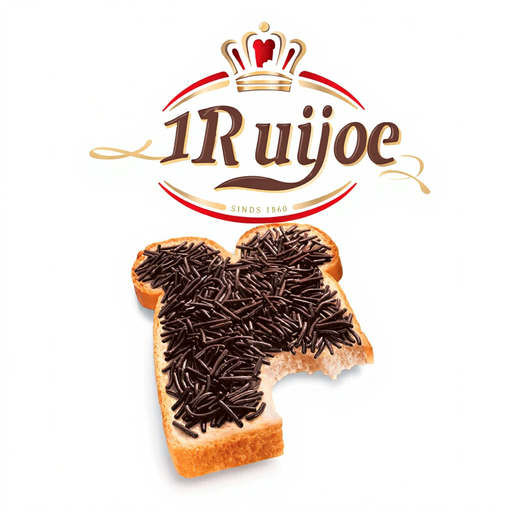 Image unavailable
An option if you’re looking for regular chocolate sprinkles as a topping, rather than a sugar-free alternative. Compare the sugars per 100 g and check the allergens on the current packaging.
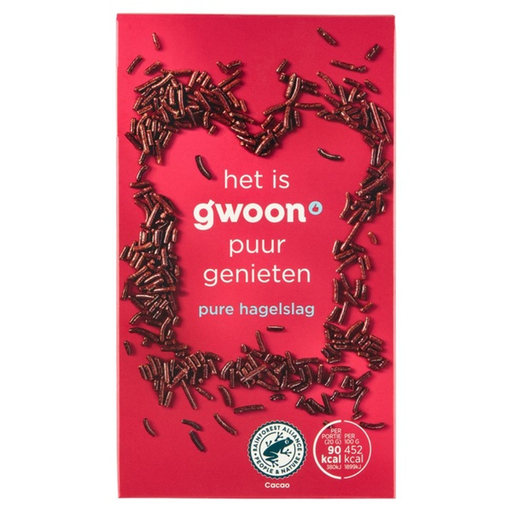 Image unavailable
For anyone who wants regular dark chocolate sprinkles on bread and isn’t looking for a strictly sugar-free product. Check the nutritional information per 100 g and the allergen information for this variety.
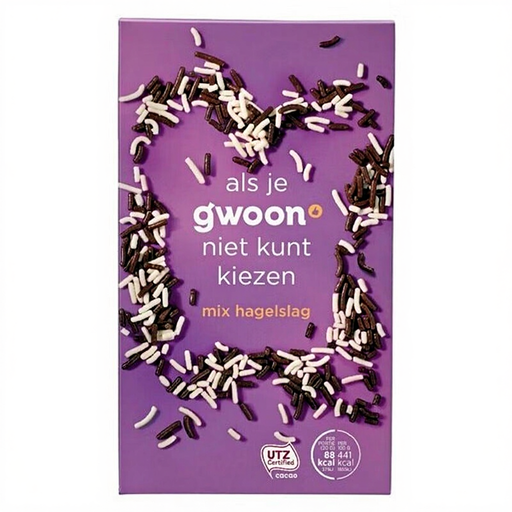 Image unavailable
A regular milk chocolate variety for anyone choosing a topping based on flavour and product type, rather than a sugar-free claim. Check the sugars per 100 g and the allergens on the packaging.
For the ‘sugar-free’ claim, Regulation (EC) No 1924/2006 sets a limit of no more than 0.5 g of sugars per 100 g for solid products. Check the ‘of which sugars’ figure in the nutrition table per 100 g on the packaging.
No. Under Regulation (EC) No 1924/2006, ‘no added sugars’ means that no sugars or other ingredients have been added for their sweetening properties. A product may still contain naturally occurring sugars, so check the total amount of sugars per 100 g as well.
Yes, if you’re happy with sprinkles as a different product type and are looking for less sugar rather than a strictly sugar-free topping. Céréal says its dark chocolate sprinkles contain 88% less sugar than a comparable standard product; PLUS still lists 7.7 g of sugars per 100 g for Céréal Hagelslag Puur.
Read the ingredients and warnings on the packaging of the product you choose. Polyols are listed in Céréal Hagelslag Puur, along with a warning that excessive consumption may have a laxative effect.
Use chocolate flakes as a topping for a breakfast you’ve put together yourself, rather than as a replacement for the whole meal. The Netherlands Nutrition Centre suggests wholemeal bread as one possible base; then decide whether to add chocolate topping, and how much.