
If you’re looking for strictly sugar-free flakes
The words ‘no added sugars’ aren’t enough for you. You check ‘of which sugars’ per 100 g to see whether the product meets the EU conditions for the ‘sugar-free’ claim.


Choose sugar-free flakes if the total sugar content is your deciding factor; choose granola with no added sugars only if naturally occurring sugars fit your preferences. Under the EU conditions for the ‘sugar-free’ claim, a solid food can contain no more than 0.5 g of sugars per 100 g. Check fibre and allergens separately too: neither of these claims tells you anything about them on its own.
The words ‘no added sugars’ aren’t enough for you. You check ‘of which sugars’ per 100 g to see whether the product meets the EU conditions for the ‘sugar-free’ claim.
You’re looking for granola or flakes with your preferred texture, and you compare the fibre content too. You’re happy with naturally occurring sugars, but want to know how much total sugar the product contains.
You check the ingredients and allergen information as well as the sugar content. A gluten-free claim tells you nothing about the amount of sugar or the presence of other allergens.
Before choosing your Sunday breakfast, decide whether sugar-free is a must-have. Then compare the texture and fibre content you want, and rule out products that don’t meet your allergen requirements.
| What to consider | What to check on the label | Who is it important for? |
|---|---|---|
| Truly sugar-free | Check ‘of which sugars’ per 100 g. Under the EU ‘sugar-free’ claim on EUR-Lex, solid foods must contain no more than 0.5 g per 100 g. | If I want sugar-free flakes, ‘no added sugars’ isn’t enough. An estimated 46% of consumers put strictly sugar-free first. |
| Crunchy and high in fibre | Compare fibre and total sugars on the same basis, preferably per 100 g; also consider your portion size. | I want crunchy breakfast cereals with no added sugars, but they don’t have to be completely free of natural sugars. This preference matters most to around 36% of consumers. |
| Gluten and allergens | Look for an explicit gluten-free claim if needed, and read the ingredients and allergen information. Check the sugar content separately. | If I need to avoid gluten or another allergen, I check that before choosing based on sugar. An estimated 18% of consumers put this requirement first. |
A product with no added sugars may still contain sugars that occur naturally in its ingredients. This distinction matters if you’re looking for something strictly sugar-free.
Check ‘of which sugars’ per 100 g and compare it with the EU limit of no more than 0.5 g per 100 g for the ‘sugar-free’ claim.
The fibre content doesn’t tell you how much sugar the same breakfast cereal contains. Fibre and sugars are listed separately in the nutritional information.
Compare both values per 100 g and decide which matters most for your breakfast.
Gluten-free flakes can contain added sugars and carry warnings about other allergens. For example, Albert Heijn’s Glutenvrij Vezelrijke Bran Flakes lists 8.2 g of added sugars per 100 g.
Check the gluten-free claim, sugar content and other allergen information separately.
Ingredients, nutritional values and allergen information can change when a product is updated. This is especially important if even a small difference could affect your choice.
Check the packaging of the product you buy, and if you have an allergy, read the latest allergen information too.
Compare individual products within these brands: a sugar, fibre or gluten-free claim for one variety doesn’t automatically apply to the rest of the range.
Two AH products show why you should assess sugar content and gluten-free claims separately.
Cruesli Zero Sugar Added is a crunchy option if you want to avoid added sugars, but it isn’t automatically suitable if you’re looking for something strictly sugar-free.
All-Bran Fibre Plus is worth considering if you’re comparing fibre content, but a product range focused on fibre won’t necessarily meet a sugar-free requirement.
These Cruesli and granola products may suit you if you want to avoid added sugars. If you need something strictly sugar-free, check ‘of which sugars’ per 100 g for each variety individually.
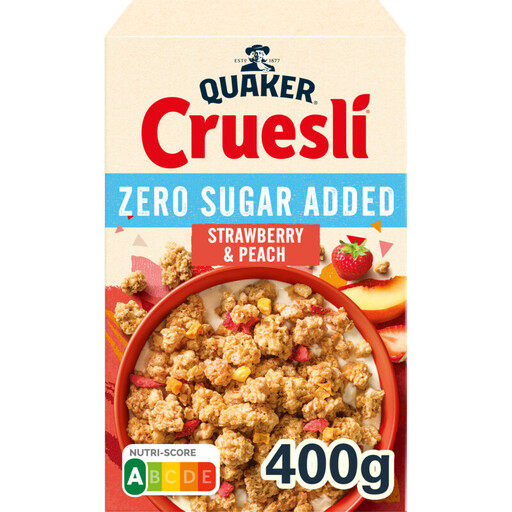 No image available
A crunchy variety for anyone looking to avoid added sugars and enjoy strawberries and peaches in their cereal mix.
If sugar-free is a must-have for you, check the total sugars per 100 g. If you have dietary or allergen requirements, check the latest packaging too.
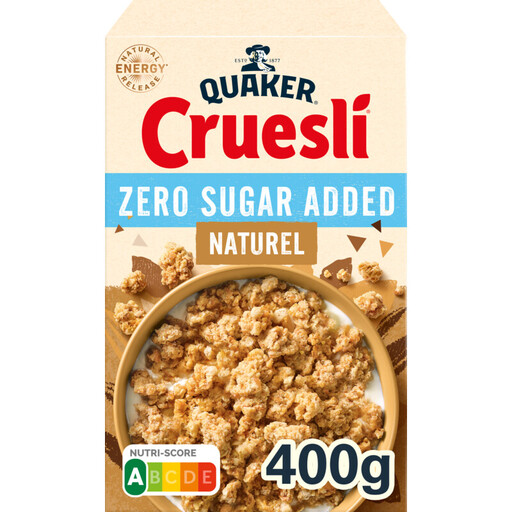 No image available
This Natural variety may suit you if you’re looking for a crunchy cereal mix with no added sugars.
No added sugars doesn’t mean sugar-free. Compare the total sugars per 100 g, and check the packaging if you have an allergy.
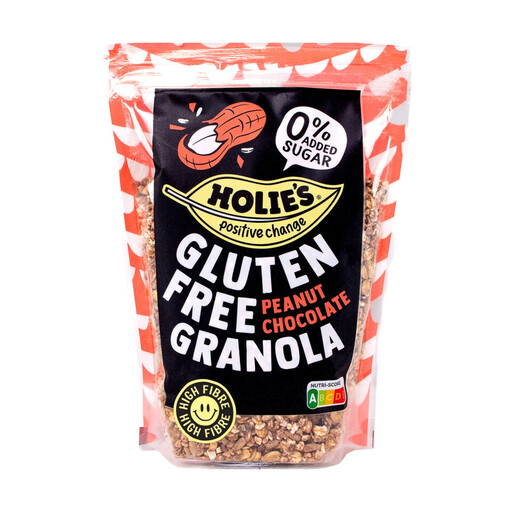 No image available
This granola’s gluten-free claim may suit you if you also want to avoid added sugar.
The peanut variety isn’t suitable if you have a peanut allergy. Check for other allergens and the total sugars per 100 g separately.
No. Under the EU conditions for the ‘sugar-free’ claim, a solid food can contain no more than 0.5 g of sugars per 100 g. ‘No added sugars’ refers to what has been added to the product; naturally occurring sugars may still be present. So always check ‘of which sugars’ on the label.
Start by comparing breakfast cereals per 100 g, so you’re using the same basis and can check whether they meet the EU conditions for the ‘sugar-free’ claim. Then consider how much you actually put in your bowl. Your Europe explains that EU nutrition declarations are based on values per 100 g or 100 ml; packaging may also provide information per serving.
Not necessarily: gluten-free and sugar-free describe different properties. Albert Heijn lists 8.2 g of added sugars per 100 g for its Glutenvrij Vezelrijke Bran Flakes. For another variety, check the total sugars, ingredients and any warnings about other allergens again.