What should you look for when choosing?
First decide whether being sugar-free and meeting any allergen requirements are non-negotiable. Only then is it worth comparing the canoe shape, a different type of biscuit or the packaging.
| What to consider |
What to check when buying |
Who it matters to |
| Truly sugar-free |
Check ‘of which sugars’ per 100 g. The Netherlands Nutrition Centre sets the limit for ‘sugar-free’ at no more than 0.5 g per 100 g. |
If sugar-free is a firm requirement for me, I don’t want to rely on a word such as ‘zero’. Around 36% of consumers put this requirement first. |
| No added sugar |
Compare the claim with the sugar content and read the ingredients list, including details of any sweeteners or polyols used. |
I can choose a different type of biscuit if no added sugar matters more to me than a canoe biscuit. Around 29% of consumers put this preference first. |
| Allergens and school rules |
Check the allergens and any ‘may contain’ warnings on the packet, and find out what rules apply at school. |
Before I pack something, it needs to be suitable for the allergens my child needs to avoid and comply with the school’s rules. This is the main concern for around 21% of consumers. |
| Canoe shape and portions |
Once you’ve checked off any strict sugar and allergen requirements, look at the number of biscuits and the portion size on the pack you’re considering. |
If those requirements aren’t decisive, I want to know how many canoe biscuits are in a pack for the snack breaks I’m planning. Around 14% of consumers prioritise this practical consideration. |
Brands to consider
These examples show the product types and information you can compare for each variant; a brand name alone doesn’t tell you whether a snack is sugar-free.
Verkade
San Francisco Naturel Zero toegevoegd suiker is a biscuit outside the canoe-biscuit category.
- If you’re happy with a different type of biscuit, this is an example of a product marketed as having no added sugar.
- According to Jumbo’s product information, this variant contains 1.7 g of sugars per 100 g, as well as wheat, milk and soya. Maltitols are also listed, along with a warning about excessive consumption.
Albert Heijn
AH Roomboter kano’s are an example of a standard canoe biscuit.
- Albert Heijn lists this variant as a 270 g pack containing six 45 g portions.
- Albert Heijn’s product information lists 39 g of sugars per 100 g and allergens including gluten-containing cereals, milk, egg, soya and almond. This is not a sugar-free variant.
Jumbo
Jumbo Kano’s met Roomboter are standard almond-paste-filled canoe biscuits.
- Jumbo lists a 275 g pack containing five 55 g portions.
- According to Jumbo, this variant contains 36.8 g of sugars per 100 g. The allergen information includes almond, egg, gluten, milk, nuts, soya and wheat.
Lidl
Lidl describes Sondey Kano’s as butter biscuits filled with almond paste, in a 325 g pack.
- This is an example to consider if the traditional canoe shape is your priority.
- If sugar or allergens are a firm concern, check the nutritional information and ingredients on the packaging for this variant.
Aldi
Heerlijck Banket Kano’s are sold by ALDI as canoe-shaped pastries in a 330 g pack.
- The shape and pack weight help distinguish this variant from other biscuits.
- If you need a sugar-free option or have allergen requirements, check the nutritional information and ingredients on the packet; the shape alone won’t tell you whether it’s suitable.
Plus
PLUS Roomboter kano’s are a standard canoe-biscuit variant.
- PLUS lists a 275 g pack, so you can compare its contents with other variants.
- PLUS’s product information lists 38.9 g of sugars per 100 g and allergens including wheat or gluten, egg, soya, milk and almond. This variant is not sugar-free.
A snack alternative at Joybuy
If you’re not set on a canoe biscuit, you could also consider a cracker. If sugar-free is a firm requirement, check the sugar content on the current packaging; for a snack to take to school, allergens and school rules are separate considerations.
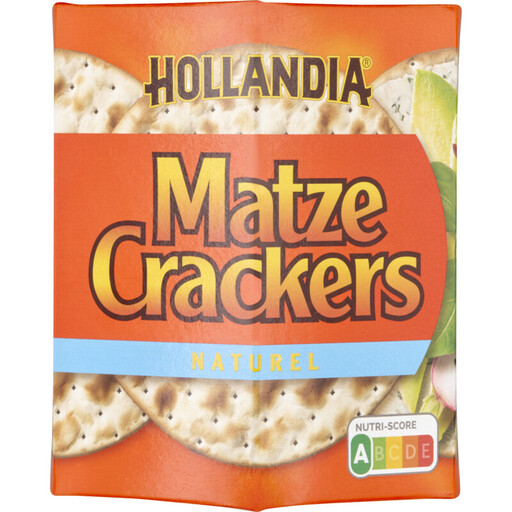 Image unavailable
Hollandia Matzo Crackers Natural, 16 pieces
This cracker is a different kind of snack for anyone who doesn’t need a canoe biscuit; if sugar-free is a firm requirement, check the sugars per 100 g on the packet.
The product information lists wheat and gluten. Don’t choose this variant if these allergens need to be avoided, and check the current packaging for other allergens or possible cross-contamination.
View at Joybuy
Frequently asked questions
When can a snack be called sugar-free?
According to the Netherlands Nutrition Centre, the ‘sugar-free’ claim can be used when a product contains no more than 0.5 g of sugars per 100 g or 100 ml. For canoe biscuits and other solid snacks, check ‘of which sugars’ per 100 g in the nutrition table.
Are the standard canoe biscuits from Jumbo, Albert Heijn and PLUS sugar-free?
No: Jumbo lists 36.8 g of sugars per 100 g for Kano’s met Roomboter, Albert Heijn lists 39 g for AH Roomboter kano’s, and PLUS lists 38.9 g per 100 g for PLUS Roomboter kano’s. These values are above the limit the Netherlands Nutrition Centre sets for the ‘sugar-free’ claim.
Is a biscuit with no added sugar the same as a sugar-free canoe biscuit?
No. Verkade San Francisco Naturel Zero toegevoegd suiker is a biscuit, not a canoe biscuit, and according to Jumbo’s product information it contains 1.7 g of sugars per 100 g. ‘No added sugar’ doesn’t mean a product meets the limit for ‘sugar-free’.
Can these canoe biscuits be taken to school if allergens are a concern?
That depends on which allergens need to be avoided and the school’s rules. The product information for the standard canoe biscuits reviewed lists wheat or gluten, as well as various other allergens. So before packing one, check the label for your chosen variant, including any ‘may contain’ warnings.
How should you store an opened pack of canoe biscuits?
Follow the storage instructions on the packaging for your chosen variant. Albert Heijn and PLUS recommend storing their products in a cool, dry place; Albert Heijn says to keep its Roomboter kano’s in a sealed tin after opening.


