
Vandaag of morgen in huis

Kwaliteit gegarandeerd

Welkomstaanbiedingen ontgrendelen: GRATIS bezorging | Tot 80% korting | Gratis 30 dagen JoyPlus-proefperiode
Download de app
Craving something sweet, but without the sugar? The shelves are packed with sugar-free candy, from liquorice and throat lozenges to fruity sweets. But not all sugar-free options are created equal. Many products seem like a sensible choice, but have hidden downsides you only discover when it's too late.
As a Product Recommendation Officer at Joybuy, I see which products are popular and what challenges consumers face every day. Before you fill your shopping cart, it's wise to be aware of a few common pitfalls.
To make a choice that's right for you, it's helpful to check two key specifications. This will help you look past the marketing and focus on what's actually in the product.
Not all sugar substitutes are the same. The choice of sweetener determines the taste, calorie count, and potential impact on your digestion.
Look beyond just the sweeteners. The rest of the ingredients determine the candy's flavour, texture, and function.
To help you get started, we've highlighted a few popular choices that suit different needs and preferences.
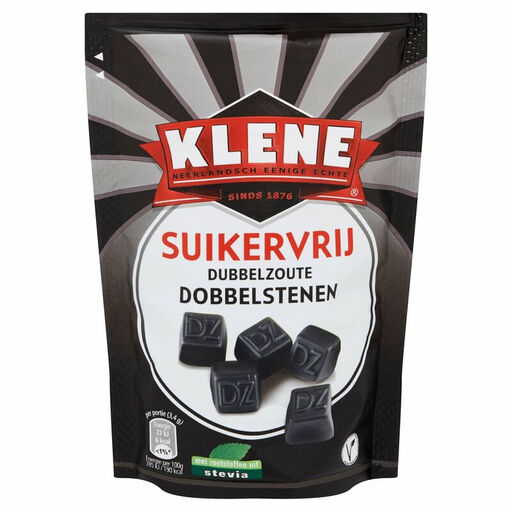
Why This Fits Their Persona: For those who want to experience the intense, double-salted liquorice flavour without the sugar. Klene is a trusted brand that captures the authentic Dutch liquorice taste in a sugar-free format.
The packaging clearly states the use of sweeteners (maltitol syrup) and the warning about the laxative effect, so you know exactly what to expect.
Made with gum arabic for a firm bite and an authentic, extra-salty flavour from salmiac salt. Resealable packaging.

Why This Fits Their Persona: Ideal for those seeking a functional candy that soothes the throat and freshens the breath. A classic that proves its worth, now in a sugar-free version.
This isn't a vague "healthy candy," but a product with a clear purpose. The ingredients (menthol, liquorice) are chosen for their function, not to mask a sugar craving.
Sweetened with isomalt and stevia. The combination of menthol and liquorice root extract provides a classic, soothing flavour. Individually wrapped in wax paper.
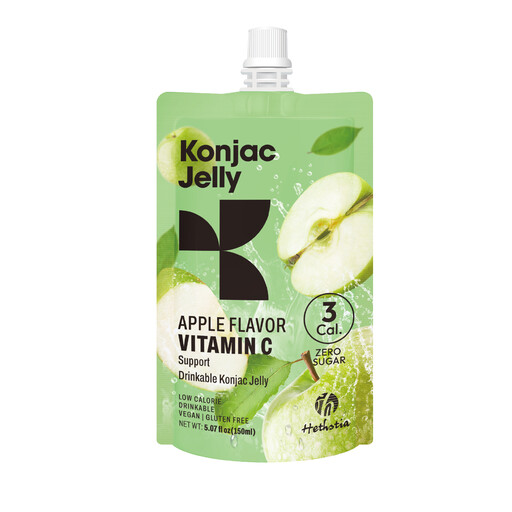
Why This Fits Their Persona: For those who are truly watching their calories. This jelly is a refreshing and light snack that satisfies a sweet tooth without denting your calorie budget.
This product completely sidesteps the "sugar-free isn't calorie-free" pitfall. At only 3 kcal per 100g, it's one of the lowest-calorie options available.
Extremely low in calories. Sweetened with erythritol, which is generally better tolerated than other polyols. Convenient squeeze pouch for on-the-go snacking.
We have compiled a complete, up-to-date list of products that meet these selection criteria and comply with current regulations.
Many sugar-free candies are an option for people with diabetes because the polyols used cause a slower rise in blood sugar levels than sugar. However, they are not completely carbohydrate-free. The amount of polyols counts towards your total carbohydrate intake. It is always wise to check the nutritional information table and consult your doctor or a dietitian if in doubt.
This is due to polyols (sugar alcohols) like maltitol, sorbitol, and xylitol. These are not fully absorbed in the small intestine and draw water into the large intestine. When consumed in larger quantities, this can lead to bloating, gas, or a laxative effect. Sensitivity to this varies from person to person.
Sugar-free means a product contains a maximum of 0.5 grams of sugar per 100 grams or 100 ml. No added sugar means that no sugars or sweeteners with sweetening power (like honey or syrup) have been added to the product. However, the product can still contain naturally occurring sugars, for example, from fruit. Therefore, always read the label to see exactly what's inside.
