
Vandaag of morgen in huis

Kwaliteit gegarandeerd

Welkomstaanbiedingen ontgrendelen: GRATIS bezorging | Tot 80% korting | Gratis 30 dagen JoyPlus-proefperiode
Download de app
Craving a sweet treat without the sugar? The shelves are packed with sugar-free candy, but not every option is what it seems. Many people opt for sugar-free snacks, only to be disappointed by misleading labels or an underwhelming taste. As a Joybuy Product Recommendation Officer, I'm here to help you see through the marketing jargon and make the right choices.
Before you fill your shopping cart, it's important to recognise two common pitfalls:
To avoid buyer's remorse, it's wise to look beyond the front of the package. Pay attention to the following two specifications to determine if a product is truly right for you.
The ingredients list is your most important tool. Here, you'll find which sweeteners have been used. We can roughly divide them into two groups:
keto candy.For those on a low-carb diet or looking for candy for diabetics, understanding net carbs is crucial. The formula is simple: Total Carbohydrates - Polyols = Net Carbohydrates. Manufacturers are not required to list this on the packaging, so you often have to calculate it yourself using the nutrition facts panel.
Additionally, look at other ingredients. Are you looking for vegetarian options? Then check if there is any gelatin included. For sugar-free licorice, it's good to know that it often contains gelatin. Sugar-free drinks can also contain hidden sweeteners you might prefer to avoid.
Based on clear product specifications and various user profiles, we have highlighted a few top choices.
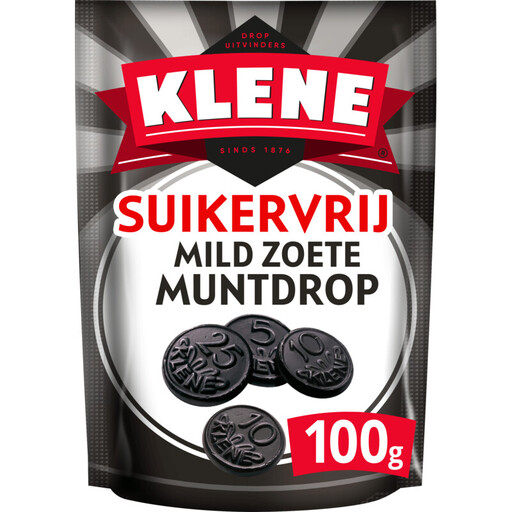
Why This Fits Their Persona: For those who love the classic taste of Dutch licorice, but without the sugar. Klene is a trusted brand, and this mint licorice offers the recognisable, mild sweet taste people expect. Ideal for the car or the office.
The taste is authentic, avoiding the typical 'diet' aftertaste. The packaging clearly warns about the laxative effect of the sweeteners used (maltitol syrup), which shows transparency about the ingredients.
Nutri-Score A and resealable packaging for extra convenience. According to the manufacturer, it contains 30% fewer calories than the original version.
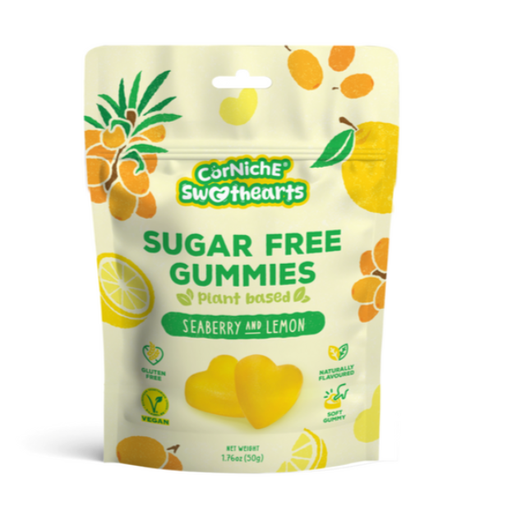
Why This Fits Their Persona: For those looking for something different from the standard flavours. These gummies combine seaberry and lemon. They are suitable for vegetarians as they do not contain animal gelatin, a common ingredient in gummies.
The product information is clear about its vegetarian composition and the sweeteners used. The nutrition panel provides a clear breakdown of carbohydrates and sugar alcohols, so there are no surprises.
Halal certified, gluten-free, and individually wrapped. The addition of seaberry is linked by the manufacturer to vitamins A, C, E, and K.

Why This Fits Their Persona: These candies are ideal for those who strictly watch their carb intake. The combination of ginger and mint is refreshing, and the nutritional values are perfect for a keto lifestyle. It's a hard candy, meant to be savoured slowly.
This product completely bypasses the 'hidden carbs' trap. The nutrition panel shows that of the 98g of carbohydrates, 98g are polyols. This results in 0g of net carbs, making it a safe choice for keto users.
The sweeteners used (isomalt, sorbitol) have a low glycaemic index. The combination of ginger and mint is described by the manufacturer as soothing for the throat.
We have compiled a complete, up-to-date list of products that fully meet these strict selection criteria and local regulations.
Although sugar-free candy does not contain regular sugar (sucrose), it's important to be cautious. The sugar alcohols (polyols) often used can still affect blood sugar levels, albeit to a lesser extent than sugar. It is advisable to limit consumption and check the nutritional information carefully. When in doubt, always consult a doctor or dietitian.
Many packages state that "excessive consumption may have a laxative effect". This is caused by polyols. Because the body cannot fully absorb these sweeteners, they draw water into the intestines. This can lead to bloating, gas, or diarrhoea, especially if you eat a large amount. Sensitivity to this effect varies from person to person.
Generally, yes. Dental bacteria use sugar to produce acids that erode tooth enamel and cause cavities. Sweeteners like xylitol and erythritol are not metabolised by these bacteria and are therefore often considered more tooth-friendly. This makes sugar-free snacks a better choice for dental health than their sugary counterparts.
