
Vandaag of morgen in huis

Kwaliteit gegarandeerd

Welkomstaanbiedingen ontgrendelen: GRATIS bezorging | Tot 80% korting | Gratis 30 dagen JoyPlus-proefperiode
Download de app
Craving something sweet, but prefer to skip the sugar? You're not alone. More and more people are looking for ways to reduce their sugar intake without giving up their favourite treats. However, the world of sugar-free candy can be overwhelming, with a vast array of choices and ingredients.
As a Joybuy Product Recommendation Officer, my job is to help you navigate the options. In this article, you'll find practical tips and a selection of popular products to help you make a choice that's right for you.
Before you start shopping for sugar-free sweets, it's helpful to know what to look for. Here are a few key points.
Sugar-free candy gets its sweet taste from sugar substitutes. Commonly used sweeteners include polyols (sugar alcohols) like maltitol and isomalt, or high-intensity sweeteners like sucralose. Polyols contain fewer calories than sugar and have less impact on blood sugar levels. However, be aware that excessive consumption can have a laxative effect in some people.
Some sugar-free candies offer more than just a sweet taste. Think of sugar-free throat lozenges with herbs that soothe the throat, or sugar-free gummies with added fibres or plant extracts. If you're looking for a 'healthy candy' with an extra benefit, it's worth exploring products that support a specific function.
For those following a specific diet, such as people with diabetes or a low-carb diet, the label is crucial. Pay attention not only to the sugars but also to the total carbohydrate count. This is especially important for candy for diabetics, as carbohydrates from polyols can still affect blood sugar levels.
Based on product specifications and functionality, we've highlighted some interesting options for you.

Why It Stands Out These chews from Corniche combine the spiciness of ginger with the sweet, fruity flavour of mango and a hint of turmeric. The texture is elastic and chewy, making for a pleasant eating experience. They are individually wrapped, which is convenient for on-the-go.
Pros
Who It's For? For lovers of a spicy yet fruity flavour who are looking for a sugar-free snack with a satisfying chew. Also a great choice as a post-meal refresher.
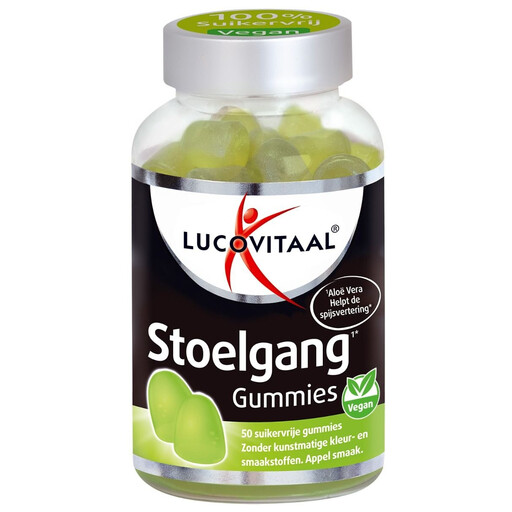
Why It Stands Out These sugar-free gummies from Lucovitaal are more than just a candy; they are formulated as a dietary supplement. According to the manufacturer, the added aloe vera supports digestion and natural bowel function. The health claims are currently pending European approval.
Pros
Who It's For? For people seeking a functional supplement in the form of a tasty, sugar-free gummy to support their daily routine.

Why It Stands Out Vitalp offers a classic herbal pastille, but without the sugar. These lozenges are made with a blend of 20 herbs from the Swiss Alps. According to the product description, they help with a scratchy throat and support the voice.
Pros
Who It's For? Ideal for anyone who wants to soothe their throat or simply enjoys an authentic, herbal flavour. A great option for people with a gluten or lactose intolerance.
The world of sugar-free candy is large and diverse. Are you looking for different flavours, textures, or varieties? Many more options are available that might better suit your preferences.
? See more individually wrapped sugar-free candy here.
Sugar-free candy contains little to no sugar, which is better for your teeth and limits your sugar intake. However, it isn't necessarily 'healthy'. It's still a treat. Pay attention to the total calories and the sweeteners used, as excessive consumption can cause digestive issues.
Manufacturers use various sugar substitutes. Common ones are polyols (sugar alcohols) like isomalt, maltitol, sorbitol, and xylitol. Additionally, high-intensity sweeteners such as sucralose, acesulfame-K, and stevia are used, often in combination.
Many sugar-free candies are a better choice than their sugary counterparts for people with diabetes. However, it's still important to be cautious. The carbohydrates from polyols can still affect blood sugar levels, albeit to a lesser extent than sugar. It is always wise to check the nutritional information and consult a doctor or dietitian if in doubt.
