
Vandaag of morgen in huis

Kwaliteit gegarandeerd

Welkomstaanbiedingen ontgrendelen: GRATIS bezorging | Tot 80% korting | Gratis 30 dagen JoyPlus-proefperiode
Download de app
Craving something sweet, but without the sugar? The shelves are packed with sugar-free candy, but not every choice is a wise one. Many products overpromise and underdeliver. As a Joybuy Product Recommendation Officer, I'm here to help you see through the marketing jargon and make a choice that's right for you. We'll look at the facts, so you know exactly what you're buying.
Before you fill your shopping cart, it's important to be aware of a few common misconceptions. These can lead to a disappointing purchase or unexpected side effects.
sugar-free candies use polyols (sugar alcohols) like maltitol or isomalt as sweeteners. These contain fewer calories than sugar, but they are not completely calorie-free. If you're strictly monitoring your calorie intake, this can be an unexpected setback.candy without sugar can be a better option than its sugary counterpart, that doesn't make it a health food. It's still a treat. The packaging might give the impression that you can enjoy it without limits, but the same rule applies here: enjoy in moderation.To make an informed choice, it's helpful to check two or three specifications on the packaging. This will help you find exactly what you're looking for.
The sweetener used determines not only the taste but also its effect on your body. The two main groups are:
Looking for something specific? Always check the ingredient list for the following:
Consider what you want the candy for. Are you looking for refreshment or to soothe your throat? Then sugar-free throat lozenges with ingredients like eucalyptus, menthol, or herbs are a logical choice. If you're simply craving a fruity treat, then sugar-free gummies or hard candies are more suitable.
Based on clear product features, we've selected a few options that cater to different preferences.
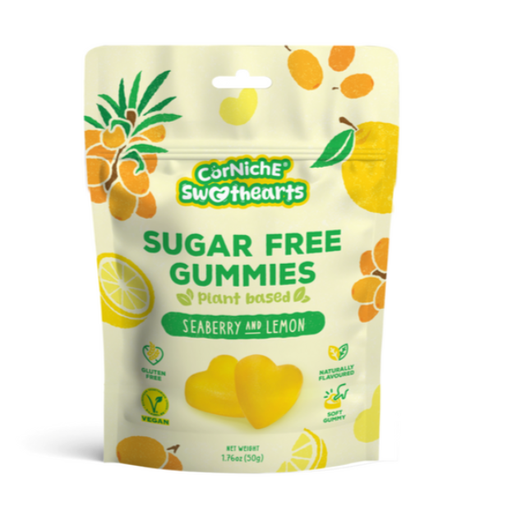
Why This Fits Their Persona: Ideal for those who miss the texture and taste of traditional fruit gummies but want to avoid sugar. The combination of seaberry and lemon offers a fresh, sweet-and-sour flavour.
The ingredient list is transparent about its use of alternative sweeteners. The product isn't marketed as calorie-free, but as a sugar-free alternative.
Contains no animal-based gelatin, making it suitable for vegetarians. Additionally, the product is halal certified and gluten-free.

Why This Fits Their Persona: Perfect for those looking for a functional candy. These pastilles are designed to soothe the throat and support the voice, with a classic herbal flavour.
The focus is on its function (throat soothing), not on vague health claims. It's clearly a functional lozenge, not just a 'healthy candy'.
Contains a blend of 20 herbs from the Swiss Alps for a unique taste. Furthermore, the product is 100% gluten- and lactose-free.
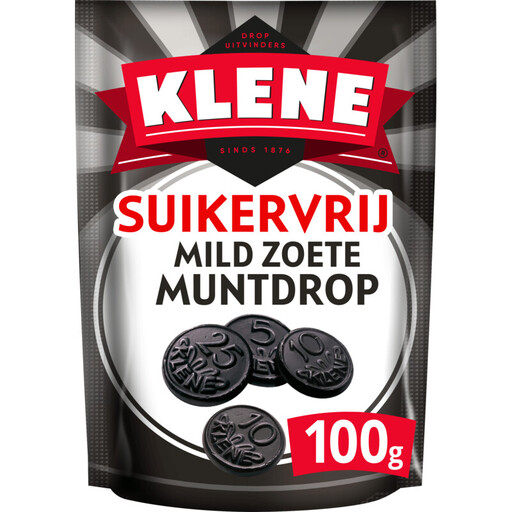
Why This Fits Their Persona: For lovers of the classic Dutch licorice flavour. This is a sugar-free version of the well-known mint licorice, prepared according to an authentic recipe from a trusted brand.
The packaging is honest and includes the warning "excessive consumption may produce a laxative effect," demonstrating transparency about the sweeteners used (polyols).
Authentic licorice flavour from the renowned brand Klene. The product has a Nutri-Score A and comes in convenient, resealable packaging.
We have compiled a complete, up-to-date list of products that fully meet these strict selection criteria and local regulations.
Below are answers to a few frequently asked questions about sugar-free candy.
'Sugar-free' is a legally protected term, meaning a product contains no more than 0.5 grams of sugar per 100 grams or 100 ml. 'No added sugar' means that no sugars were added during production, but the product may still contain naturally occurring sugars (like those in fruit). For candy without sugar, the 'sugar-free' claim is the most reliable indicator.
Much of the candy for diabetics is sugar-free. However, it's important to look not only at the sugars but also at the total carbohydrate count, especially those from polyols. These can slightly affect blood sugar levels. High-intensity sweeteners like stevia and sucralose do not have this effect. Always consult with a doctor or dietitian for personalised advice tailored to your situation.
This is usually caused by polyols (sugar alcohols) such as maltitol, sorbitol, and isomalt. Our bodies cannot fully digest these substances. When you eat too much of them, they can ferment in the intestines, which can lead to gas, bloating, or a laxative effect. Sensitivity to this varies greatly from person to person. Most manufacturers include a warning about this on the packaging.
